Author: admin

  • Spanberger joins governors in Reproductive Freedom Alliance, signs related Va. bills into law

    Spanberger joins governors in Reproductive Freedom Alliance, signs related Va. bills into law

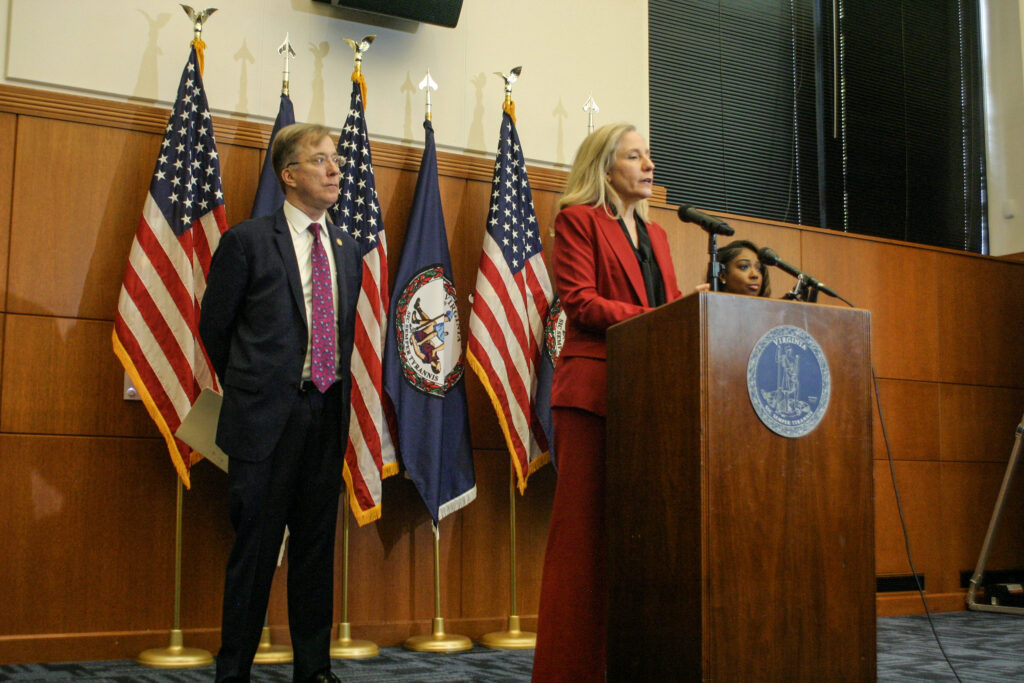
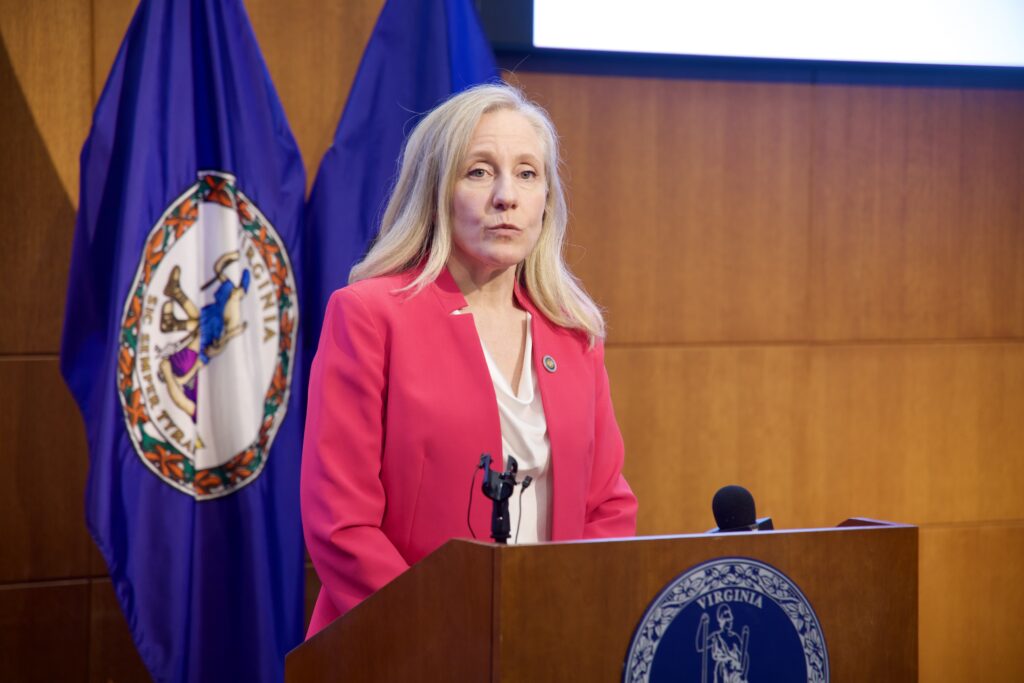
    From support for legislation and ballot referendums to helping states stockpile abortion and miscarriage management drug mifepristone, a growing cohort of governors are banding together as the Reproductive Freedom Alliance. Virginia Gov. Abigail Spanberger announced Wednesday that she has joined the coalition.

    Members include California Gov. Gavin Newsom, New York Gov. Kathy Hochul, Gov. Wes Moore from Maryland and New Jersey Gov. Mikie Sherrill — who was elected the same night as Spanberger last fall — among 23 others so far.

    As part of the alliance, Spanberger said she will “continue doing everything in my power to preserve the rights of Virginians seeking reproductive care and making sure families across our Commonwealth can continue making their own personal healthcare decisions.”

    Mifepristone has been subject to legal challenges, with opponents pushing for a national ban on mailing the medication. Several of the states are working to preserve access to the medication and have also enacted shield laws to protect patients’ privacy and expand coverage for over-the-counter contraception.

    On the heels of announcing she’d joined the governors’ group, Spanberger signed two new reproductive health bills into law in Lorton Wednesday. Years-long efforts dubbed the Right-To-Contraception Act and Contraception Equity Act will fortify people’s ability to access family planning measures.

    Del. Cia Price, D-Newport News, who carried the legislation, has emphasized that contraception is also used to treat conditions like polycystic ovarian syndrome and endometriosis. Price uses contraception to treat her own PCOS symptoms, she said.

    After signing the law Wednesday, Spanberger called contraception “vital for being able to contend with an ongoing health issue.”

    The coalition announcement and new laws preempt the fourth anniversary of the overturn of federal abortion protections by the U.S. Supreme Court and a ballot referendum in Virginia later this year to enshrine reproductive rights into the state’s constitution.

    How a 19th century law, central to a national telehealth abortion case, could impact Virginia

    With abortion drawing the most scrutiny, several states have enacted deep restrictions or bans on the procedure. Virginia, where abortion is legal to varying degrees in all three trimesters of pregnancy, is the least restrictive Southern state.

    As such, clinics and abortion funds have noted upticks in out-of-state patients in recent years.

    Blue Ridge Abortion Fund director April Greene said that 26% of people seeking assistance from her organization live outside Virginia, a 13% uptick since 2023. More people are relying on abortion funds for financial assistance, as rising fuel prices affect travel.

    “What this tells us is that abortion bans, anywhere, impact access everywhere,” Greene said.

    Spanberger, reproductive rights advocates, state lawmakers and congressional candidates will continue advocating for the constitutional amendment leading up to this fall’s election.

    Rising costs of fuel, other goods squeeze already strained abortion funds

    Despite some Republican-leaning states having already pursued similar measures, the amendment has fallen along partisan lines in Virginia. Every elected Republican in the state legislature has voted against the amendment, which had to clear the legislature two years in a row before it could appear on statewide ballots.

    “Once it becomes enshrined in our constitution it becomes harder to fight,” said Family Foundation president Victoria Cobb at the Virginia March For Life this past spring.

    Her organization, which staunchly opposes the amendment, has filed one of two lawsuits challenging the pending amendment.
  • Senate budget proposal keeps data center sales tax exemption, adds new tax for industry

    Senate budget proposal keeps data center sales tax exemption, adds new tax for industry

    On Tuesday, the Virginia Senate released its latest budget proposal that preserves a sales and use tax exemption for the data center industry, the major hangup that has gummed up negotiations between both legislative chambers.

    The revamped proposal also adds a tiered tax for the industry that targets diesel generators and would generate $1.8 billion for the state, Senate leaders said.

    Sen. Louise Lucas, D-Portsmouth, has advocated to axe the exemption for months but amid stalled negotiations that risk a government shutdown if a budget isn’t finalized by June 30, the new proposal from her chamber signals willingness to compromise, with a sustained goal of regaining money the state misses out on due to the exemption.

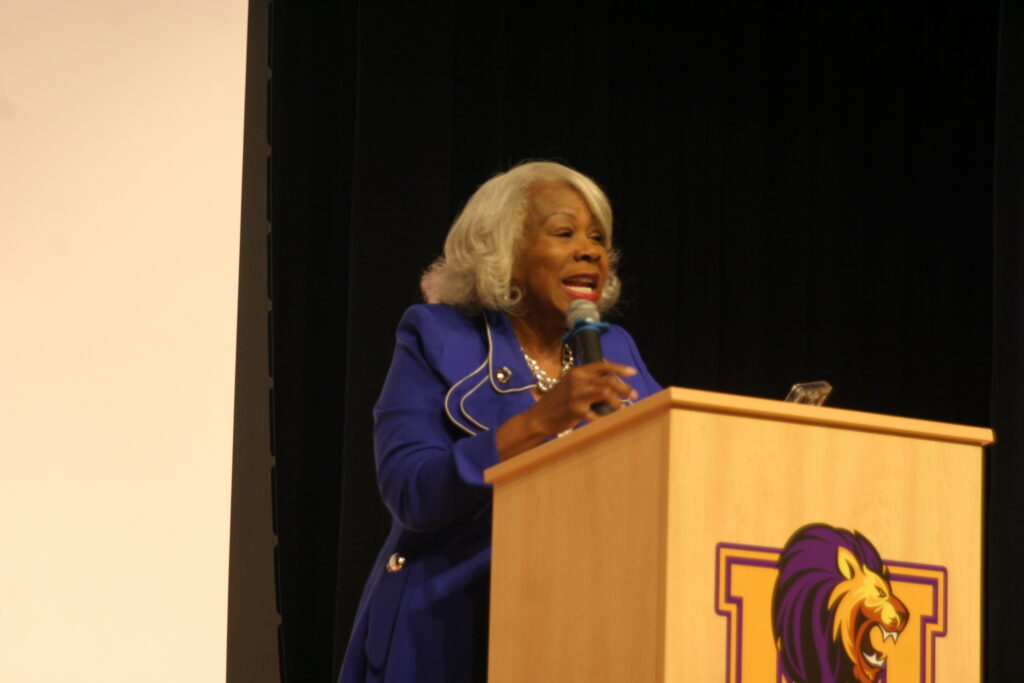
    “We know technology is not bad. You know, we all can benefit from technology, but we, as a government, have not done a good job in managing the regulations and the impact on our communities and that’s what we’ve got to rein in,” Lucas said Tuesday night at a middle school in Chesterfield at a stop on her data center listening tour.

    The new Senate spending plan would levy a tiered impact tax on the types of backup generators that data centers use. The diesel generators have been a point of contention for residents who live near data centers due to heightened concerns over the air pollution released from the generators.

    The older, Tier 1 and 2 model backup generators release the most pollution. A new state law requires all new data centers that apply for an air permit to use Tier 4 models, which, along with tier 3 models, are cleaner.

    The Senate’s proposed data center tax would be distributed this way:

    – $45.00 per permitted kilowatt electrical (kWe) on any Tier 1 and Tier 2 generator;

    – $37.00 per permitted kWe on any Tier 2 backup generator retrofitted to be a Tier 4-

    equivalent backup generator, Tier 3 generators, and any generator powered by natural gas

    – $35.00 per permitted kWe on any Tier 4 generator or any other generator.

    Each quarter, data centers would remit the fees to the Department of Taxation and deposited to the general fund.

    The key term is “permitted.” Data centers rarely run their backup generators unless there is an emergency power outage or for short periods for monthly testing. But they are permitted for vastly larger amounts than their actual use – which would mean more tax revenue under this plan.

    According to Senate finance committee officials, the new generator tax would bring in an estimated $1.8 billion over the biennium. This would be about half of what the state could make in tax revenue if the sales and use tax exemption for the industry was revoked.

    The Senate plan, similar to the House, would create a workgroup to generate policy recommendations on how to phase out the sales tax exemption for the industry and present a report to the General Assembly in the fall.

    When asked how this group’s report would differ from past reports, such as the 2024 JLARC study on data centers, Lucas said it won’t reveal more than what the state already knows about the impact of data centers across the commonwealth.

    “I don’t expect that there’s going to be anything new coming out of it. I actually think it’s a waste of time. But since they want to do it, we will accommodate them,” Lucas said Tuesday.

    Lucas said that the House and Senate conferees planned to meet late into the night on Tuesday to work out a deal.

    House Speaker Don Scott, D-Portsmouth, cancelled the chamber’s special session on the budget that had been scheduled for Thursday in Richmond, since a deal with the Senate has not been finalized.

    Lucas said that the goal for budget conferees of both bodies is to have a deal in place before the Senate is slated to return to the Capitol on Monday.

  • Va. centralizes state internship programs to benefit students, workforce

    Va. centralizes state internship programs to benefit students, workforce

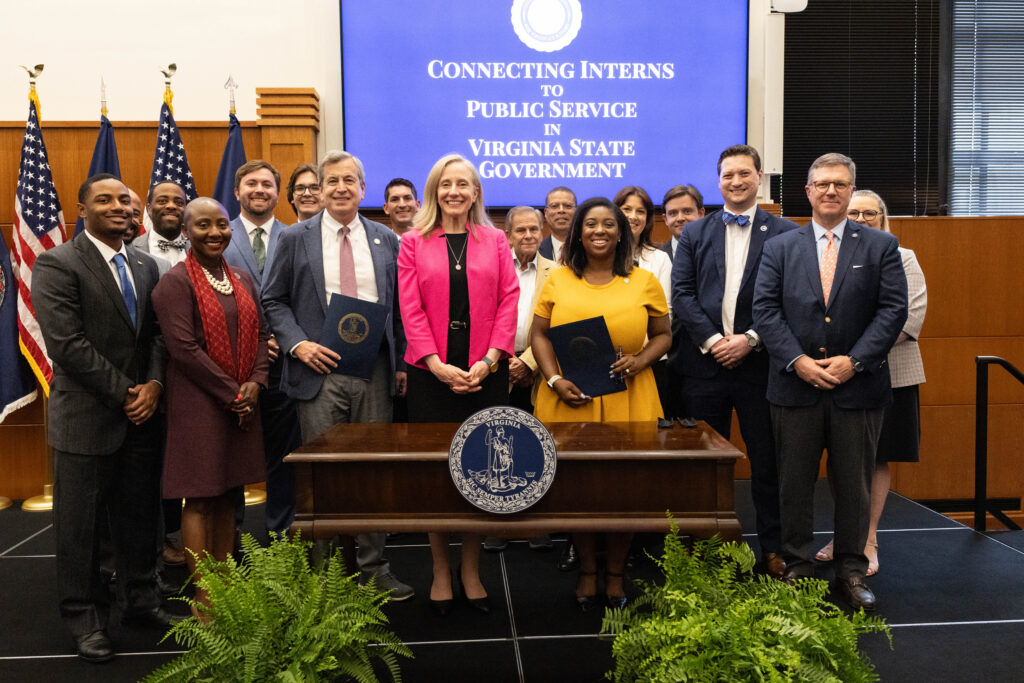
    Virginia Gov. Abigail Spanberger recently signed a law creating a Virginia State Internship coordinator position, designed to improve how students and recent graduates gain workforce experience through state agencies.

    In 2019, Virginia established the Innovative Internship Fund and Program to expand paid and credit-bearing internships statewide, reinforcing the commonwealth’s commitment to workforce development. The new role builds on that foundation, as does the Virginia Talent + Opportunity Partnership, which helps connect students and government agencies with these opportunities.

    Then in 2023, the Department of Human Resource Management, in partnership with the State Council of Higher Education in Virginia and V-TOP, created the COVA Internship Connection Pilot, which uses the V-TOP system to help agencies recruit interns.

    The COVA Internship Connection Pilot was designed to be a temporary, multi-agency initiative during and after the COVID pandemic, so students studying remotely could still find meaningful paid or unpaid, work-based learning through the state government.

    When Spanberger signed legislation carried by Sen. Lashrecse Aird, D-Henrico, and Del. Rip Sullivan, D-Fairfax, the pilot was transformed into a permanent, centrally managed program.

    “This is a great example of what the commonwealth can do to provide real-world opportunities for young, talented people entering the workforce,” Spanberger said in a statement on Friday. “Virginia is the top state for talent in America, and one of the most powerful tools we have is making sure talented students stay and grow right here in Virginia.”

    The legislation aims to centralize internship outreach, streamline application processes and provide agency support, making internships more visible and accessible to all students, including those from under-resourced schools and students with disabilities.

    The legislation strengthens data collection and program tracking to measure internship results and enhance Virginia’s long-term workforce development.

    “Internships are an essential opportunity to provide young people on-the-job experience and employers access to the workforce of the future,” Sullivan said in a statement. “As one of the largest employers in Virginia, it is imperative that the Virginia state government lead by example by expanding quality internships and attracting talent to support its vital mission.”

    As someone who started her public service with a state government internship, Aird said she knows firsthand how transformative such opportunities can be for young people. She cited Virginia’s aging public workforce as a driver of the new law that will help develop the next generation of public servants.

    “By strengthening and coordinating internship opportunities across state government, we can build a workforce that better reflects the communities it serves and ensure Virginia remains prepared to meet the challenges of tomorrow,” Aird said.

    Max Berckmueller, who graduated early from the College of William & Mary in 2023, credits his internships at multiple state agencies with helping him reach his goal of gaining real experience and making a tangible difference in his fellow Virginians’ lives.

    Now working as a data analyst with the Department of the Treasury, Berckmueller helps review monetary and budgetary matters for the state.

    “Conducting a budget or fiscal analysis, and seeing how the Department of Planning and Budget is taking that into account and changing their decisions based on the analysis that I did…that’s pretty cool,” Berckmueller said.

    “You might not get those kinds of opportunities at the federal government, but the state always needs a lot of help, and there’s always a lot to do,” he added.

    Spanberger also launched InternshipsVA, a statewide initiative to connect students with paid internships and strengthen Virginia’s workforce, as one of her first major economic development announcements at the start of her term. Recently, the program won a national Business Facilities 2026 Economic Development Organization (EDO) award.

    Funding for the new position is included in the House and Senate’s budget proposals, which lawmakers are working to reconcile and finalize ahead of a June 30 deadline. The position is estimated to cost annually $172,224.

  • ​Federal measure could undermine rideshare safety laws, Virginia, Colorado state legislators say

    ​Federal measure could undermine rideshare safety laws, Virginia, Colorado state legislators say

    Colorado state Rep. Jenny Willford is calling on congressional leadership to strike an amendment in a major federal transportation bill that could jeopardize new state-level safety protections around ride-hailing apps like Uber and Lyft.

    The amendment, added to the BUILD America 250 Act by a California House Republican during the federal bill’s committee hearing in May, would limit when ride-hailing companies can be held responsible for damages caused by their drivers by limiting vicarious liability — when an employer or superior is liable for an employee’s mistakes.

    “In plain terms, it would make it far harder and, in the cases that matter most, effectively impossible to hold multibillion-dollar rideshare corporations accountable in court when a passenger or a driver is sexually assaulted on its platform,” a letter to U.S. Speaker of the House Mike Johnson, signed by Willford and over 275 other state lawmakers, says. “We hold different views on many things. On this we do not differ: under no circumstances should any corporation be shielded from liability for sexual assault. The scale of the harm is not speculative.”

    Signers of the letter are women lawmakers from 42 states and one territory.

    A federal jury ordered Uber to pay $8.5 million to an Arizona passenger who said a driver raped her, and in April, a jury found Uber liable for a sexual assault in North Carolina.

    Willford, a Northglenn Democrat, is joined by 28 other Democratic state lawmakers from Colorado in the letter. The proposed amendment would preempt House Bill 26-1424, they contend, a new law sponsored by Willford that sets requirements for driver background checks and driver disqualifications and allows the Public Utilities Commission to impose penalties against the companies. The law explicitly allows a party to sue a company even if they are fined by the PUC. Willford worked for two years to pass the bill and have it signed into law following a case in which a man was charged with unlawful sexual contact against Willford during a Lyft ride in 2024.

    Uber and Lyft did not oppose the legislation. Gov. Jared Polis signed it into law earlier this month.

    The federal law could also conflict with House Bills 1273 and 1469 in Virginia.

    “In Virginia, we did the work. We held the hearings, we listened to survivors, and we passed real protections and the Governor signed them,” Virginia Delegate Jackie Glass said in a statement. “Now, a single amendment, slipped into a highway bill at two in the morning, would override what our states just built … Congress should be raising the bar on safety — not cutting the floor out from under us.”

    The letter goes on to say: “State legislatures must retain the ability to identify a problem in their communities and to enact meaningful, responsive policy. That is the constitutional design, and it is a practical one: these harms look different in Denver than in Norfolk, and the people closest to them are best positioned to respond. It is telling and deeply troubling that when Uber and Lyft could not prevail in state legislatures, city councils, or in the courtroom, they turned to Congress to change the rules for everyone at once.”

    The BUILD America 250 Act is a five-year surface transportation bill funding roads, bridges and other infrastructure. It will next head to the Republican-led House floor.

    This story was originally produced by Colorado Newsline, which is part of States Newsroom, a nonprofit news network which includes Virginia Mercury, and is supported by grants and a coalition of donors as a 501c(3) public charity.

  • Special ed, civil rights to be shifted out of Trump’s shrinking Department of Education

    Special ed, civil rights to be shifted out of Trump’s shrinking Department of Education

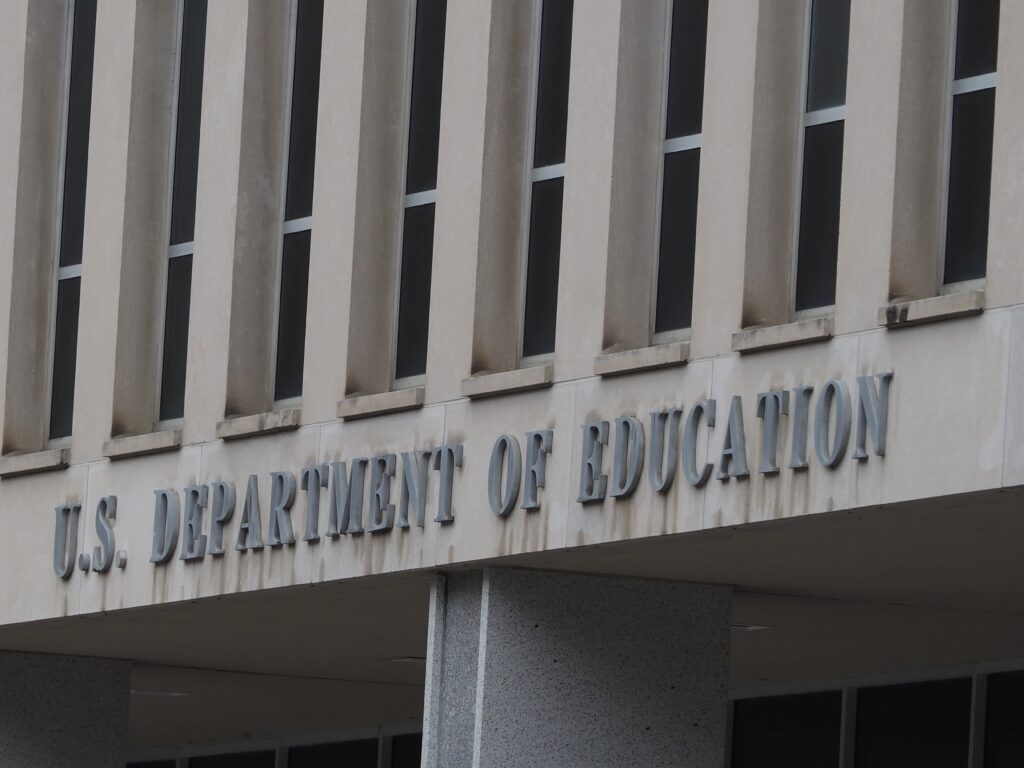
    WASHINGTON — The U.S. Department of Education announced sweeping efforts Tuesday to outsource its special education programs and civil rights enforcement to other agencies, in another major step by President Donald Trump’s administration to dismantle the department.

    The Department of Health and Human Services will administer programs under the Education Department’s Office of Special Education and Rehabilitative Services, or OSERS, while civil rights enforcement under Education’s Office for Civil Rights, or OCR, will be transferred to the Department of Justice.

    The move follows 10 earlier interagency agreements, or IAAs, with the departments of Labor, Health and Human Services, Interior, State and Treasury that transfer several of Education’s responsibilities to those agencies.

    The Education Department clarified in fact sheets that in the agreements announced Tuesday, it “will continue to perform all statutorily required duties and responsibilities.”

    “The Trump Administration has been clear: as we scale back federal micromanagement when it hinders success, we are equally committed to bolstering the efficacy of federal oversight where it is essential,” U.S. Education Secretary Linda McMahon said in a statement Tuesday.

    The administration has sought to do away with the 46-year-old department as part of Trump’s quest to return education “back to the states.” That push continues despite much of the oversight and funding of schools already occurring at the state and local levels.

    Congress created the Department of Education, and only Congress has the authority to abolish the agency.

    Special education

    On a background call with reporters, a senior department official said OSERS “will maintain its independent statutory functions without interruption to vigorously enforce compliance with all of OSERS programs.”

    OSERS is responsible for administering the Individuals with Disabilities Education Act, or IDEA, which guarantees a free public education for students with disabilities. The umbrella unit OSERS includes the Office of the Assistant Secretary, Office of Special Education Programs and the Rehabilitation Services Administration.

    The official added that “students will not lose any rights, including their right to a free appropriate public education,” adding that “no agreement can alter the rights that students with disabilities are afforded under federal law.”

    “In coordination with and at the direction of OSERS, HHS will support meaningful stakeholder outreach; grant administration; enforcement, compliance, and monitoring activities; annual performance determinations and assessments; collection, reporting, and analyzing of data for monitoring compliance; and drawdowns of Federal funds,” according to a fact sheet.

    Civil rights oversight

    Meanwhile, Education’s agreement with the DOJ is intended to “support and bolster the federal government’s enforcement of federal civil rights laws,” a senior department official said.

    The Education Department’s Office for Civil Rights, or OCR, is tasked with investigating civil rights complaints from students and families.

    Under the agreement, “OCR will utilize the Civil Rights Division to evaluate, investigate and resolve complaints filed under the laws enforced by OCR,” the official said.

    The official also stressed that under the interagency agreement, OCR “retains management and leadership of OCR in accordance with federal law.”

    Education will also partner with the DOJ on student privacy protection, in which the Justice Department will “review complaints alleging privacy act violations, conduct necessary investigations and recommend potential resolutions,” per a fact sheet.

    In another agreement, the DOJ will “provide technical assistance” in training and advisory services regarding the desegregation of public schools, according to a fact sheet.

    ‘This isn’t efficiency — it’s chaos’

    The announcement sparked fierce condemnation from Democratic members of Congress, labor unions and advocacy groups Tuesday.

    Rachel Gittleman, president of American Federation of Government Employees Local 252, the union representing Education Department workers, said the interagency agreements regarding special ed programs and civil rights enforcement “will leave our most vulnerable students and families who have been shut out of our education system without the services they need and without protection when they face discrimination,” in a Tuesday statement.

    “This isn’t efficiency — it’s chaos,” Gittleman added. “Secretary McMahon is yet again targeting historically underserved students, eroding public trust, and sowing dysfunction for the federal employees who are trying to do their jobs on behalf of the public.”

    U.S. Sen. Patty Murray of Washington state, the top Democrat on the Senate Appropriations Committee, said that “instead of helping kids get a great education, this administration is spending its time, energy, and taxpayer resources fixated on where employees sit and illegally trying to shutter the Department of Education,” in a Tuesday statement.

    “It’s an outrageous betrayal that undoes decades of hard-won progress for students,” Murray added. “More kids with disabilities will be denied the education they are entitled to by law, and more college students who were harassed or assaulted will go without the justice they are owed.”

    Randi Weingarten, president of the American Federation of Teachers, one of the largest teachers unions in the country, said the decision “will have dire, real-world consequences.”

    “Congress — the only body that can legally take such actions — has refused to follow the whims of the White House when it comes to abolishing the Education Department,” Weingarten said. “And parents, educators, students, and the disability and civil rights communities are rising up — and will fight in every way possible to reverse this in the courts, at the ballot box and in the court of public opinion.”

  • Calmer hurricane season expected in Atlantic as worries over federal response persist

    Calmer hurricane season expected in Atlantic as worries over federal response persist

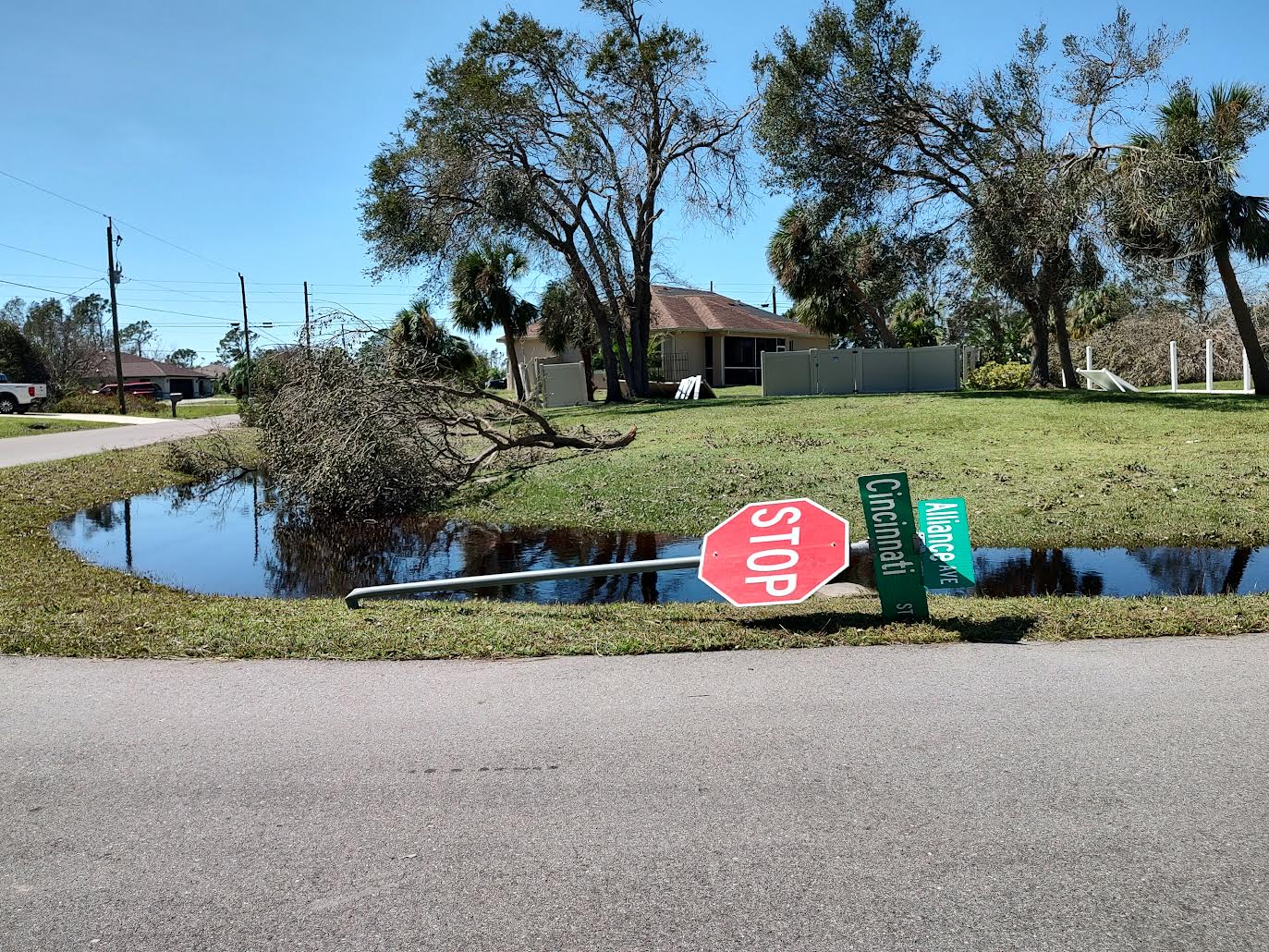
    WASHINGTON — The Atlantic Ocean is predicted to have a tamer-than-usual hurricane season this year, but experts say it’s necessary to remain vigilant as it can take only one serious storm to cause significant damage.

    But with many of the nation’s climate and weather-focused and emergency response agencies facing proposed funding cuts, some policy analysts are warning that states’ ability to respond to serious weather events could be weakened.

    The National Oceanic and Atmospheric Administration predicts there will likely be between eight and 14 named storms, with between three and six of those becoming hurricanes, this season.

    NOAA estimates there will be between one and three serious hurricanes — those ranging from Category 3 to Category 5, which brings winds higher than 157 mph. An average hurricane season has about 14 named storms and three serious hurricanes.

    This season’s relatively lesser predicted intensity comes mainly from the current El Nino, according to Matthew Rosencrans, NOAA’s lead for seasonal hurricane outlook.

    “August, September, October is really the peak of the hurricane season, that accounts for 90% of all your tropical storm and hurricane activity in the Atlantic,” he said. “And we’re expecting even that to be quiet, too.”

    While NOAA will update its forecast for the remainder of the season in August, Rosencrans said the difference between the early and later summer forecasts is not typically large, but often a change of just one or two predicted storms.

    Being prepared

    Even though the upcoming hurricane season isn’t likely to be as intense as in years past, some storm-prone states may be more unprepared to respond to them, some experts warn.

    The Trump administration’s funding cuts, layoffs and reorganization efforts to the nation’s weather and climate-related agencies have put these communities at risk, according to a recent report from the liberal-leaning Center for American Progress.

    “The Trump administration has just made it its mission to stretch out our federal agencies way too thin,” Lucero Marquez, the center’s associate director for federal climate policy, said.

    Marquez said that many states don’t have the infrastructure to handle severe weather events entirely on their own without federal assistance. If local governments are forced to shoulder more of the burden, she said, it could affect their ability to respond to crises.

    (function(){function e(){window.addEventListener(`message`,function(e){if(e.data[`datawrapper-height`]!==void 0){var t=document.querySelectorAll(`iframe`);for(var n in e.data[`datawrapper-height`])for(var r=0,i;i=t[r];r++)if(i.contentWindow===e.source){var a=e.data[`datawrapper-height`][n]+`px`;i.style.height=a}}})}e()})();

    If agencies like the Federal Emergency Management Agency were to withdraw support, she said, state and local communities would not be equipped.

    Top U.S. House Democrats on the Homeland Security Committee say more than 5,000 FEMA employees have left since January 2025 and a recent report by a review panel recommended more cutbacks.

    According to data from the Disaster Dollar Database, a tool launched by the Carnegie Endowment for International Peace that tracks federal funding for disaster recovery efforts, residents and households in Florida, Texas and Louisiana alone have received more than $10 billion in relief payments since 2015.

    FEMA says it’s ready

    But representatives for the federal government’s weather and emergency response agencies said they’re fully prepared for the season.

    In a statement to States Newsroom, a FEMA spokesperson said the agency is “ensuring workforce stability and a strong, deployable force for upcoming national events and potential disasters; making the agency leaner, faster and laser-focused on supporting state, local, tribal and territorial partners before, during and after disasters.”

    “FEMA continues to maintain a roster of experienced leadership and support staff across headquarters and regional offices, including through acting and career personnel serving in key roles to ensure continuity of operations and mission readiness,” the statement read.

    A representative for the National Weather Service echoed this sentiment.

    “We have been and continue to be fully staffed for around-the-clock operations to meet the rigorous demands of severe weather season, hurricane season, and all other weather hazards,” Erica Cei, a spokesperson for the National Weather Service and its National Hurricane Center, said in a statement to States Newsroom.

    Best safety practices

    A lighter season doesn’t mean there still can’t be a dangerous or damaging storm.

    Rosencrans, the NOAA meteorologist, said that the forecasts predicted the overall amount of storm activity, not necessarily the strength of an individual storm.

    “Definitely the potential for any one of the storms that does form to go all the way to Cat 5, if it hits the right area of low wind shear and the right area of warm sea surface temperatures,” he said. “In bulk, we’re not expecting to see as many of them this year, because you just don’t have as much energy in the Atlantic.”

    To stay safe during significant weather events, Rosencrans recommended preparing ahead of time and stocking up on food, water and gas.

    He also advised residents to gather all necessary paperwork, such as proof of residency documentation, in addition to reviewing insurance policies for flooding or storm damage.

    Rosencrans also stressed the importance of monitoring current storm conditions. He advised checking the weather.gov and hurricanes.gov trackers frequently, as well as staying up to date with your local county, parish or state emergency managers for community-specific information and updates.

  • Man charged in killing of West Virginia guard member pleads not guilty to new charges

    Man charged in killing of West Virginia guard member pleads not guilty to new charges

    WASHINGTON — The Department of Justice Tuesday issued a new indictment against Rahmanullah Lakanwal, the man accused of killing one West Virginia National Guard member and wounding another in an attack in the nation’s capital, including six new charges that qualify for the death penalty.

    Lakanwal, an Afghan national, pleaded not guilty to 17 counts.

    He appeared before federal Judge Amit P. Mehta, whom former President Barack Obama appointed in 2014, for a status hearing in the District Court for the District of Columbia.

    Department of Justice attorneys said the Trump administration is pursuing the death penalty, but could not give Mehta a timeline on the proceedings.

    The two guard members were attacked the day before Thanksgiving while on duty in a downtown Washington neighborhood blocks from the White House.

    U.S. Army Spc. Sarah Beckstrom, 20, died as a result of her injuries, and U.S. Air Force Staff Sgt. Andrew Wolfe, 25, was severely injured but survived. The guard members were in the district as part of the president’s crackdown on crime, despite a continued decrease in violent crime.

    The new indictment will replace the nine charges initially filed in December, to which Lakanwal also pleaded not guilty.

    Lakanwal used an interpreter during Tuesday’s status hearing and was flanked by two members of the U.S. Marshals Service. He used a wheelchair and appeared gaunt, compared to his previous appearance in court in February.

    The next hearing is at 9 a.m. Eastern on Sept. 16.

    Lakanwal’s charges include:

    • Count 1, of Beckstrom’s murder while she was assisting Wolfe.
    • Count 2, of the attempted murder of Wolfe.
    • Count 3, of the attempted murder of a person assisting an officer and employee of the United States, who is referred to as R.R. in court documents.
    • Count 4, of the attempted murder of a person assisting an officer and employee of the United States, who is referred to as E.S. in court documents.
    • Count 5, of transporting a firearm and ammunition in interstate commerce with the intent to commit a felony.
    • Count 6, of using a firearm during a crime of violence and causing the death of a person with a firearm.
    • Counts 7, 8 and 9, of discharging a firearm during a crime of violence.
    • Count 10, of first-degree murder while armed.
    • Count 11, of possession of a firearm during a crime of violence.
    • Count 12, of assault with the attempt to kill while armed of Wolfe.
    • Count 13, of possession of a firearm during a crime of violence.
    • Count 14, of assault with the intent to kill R.R.
    • Count 15, of possession of a firearm during a crime of violence.
    • Count 16, of assault with the intent to kill E.S.
    • Count 17, of possession of a firearm during a crime of violence.

    Asylum granted

    Lakanwal was granted asylum last year after he came to the United States through a special humanitarian program for Afghanistan allies who served along with American forces. The allies fled the country after the Taliban took it over following the chaotic U.S. withdrawal in 2021.

    November’s shooting also spurred President Donald Trump’s administration to direct U.S. Citizenship and Immigration Services to halt processing legal immigration paperwork for nationals from Afghanistan, along with a dozen other countries.

    Earlier this month, a federal judge in Rhode Island struck down several Trump administration policies that ended processing for asylum seekers following the shooting in Washington.

    Last week, the Trump administration submitted a court document describing steps the government was taking to comply with resuming the processing of immigration applications.

  • Republicans in US Senate left in dark by Trump on Iran deal, but want details and a vote

    Republicans in US Senate left in dark by Trump on Iran deal, but want details and a vote

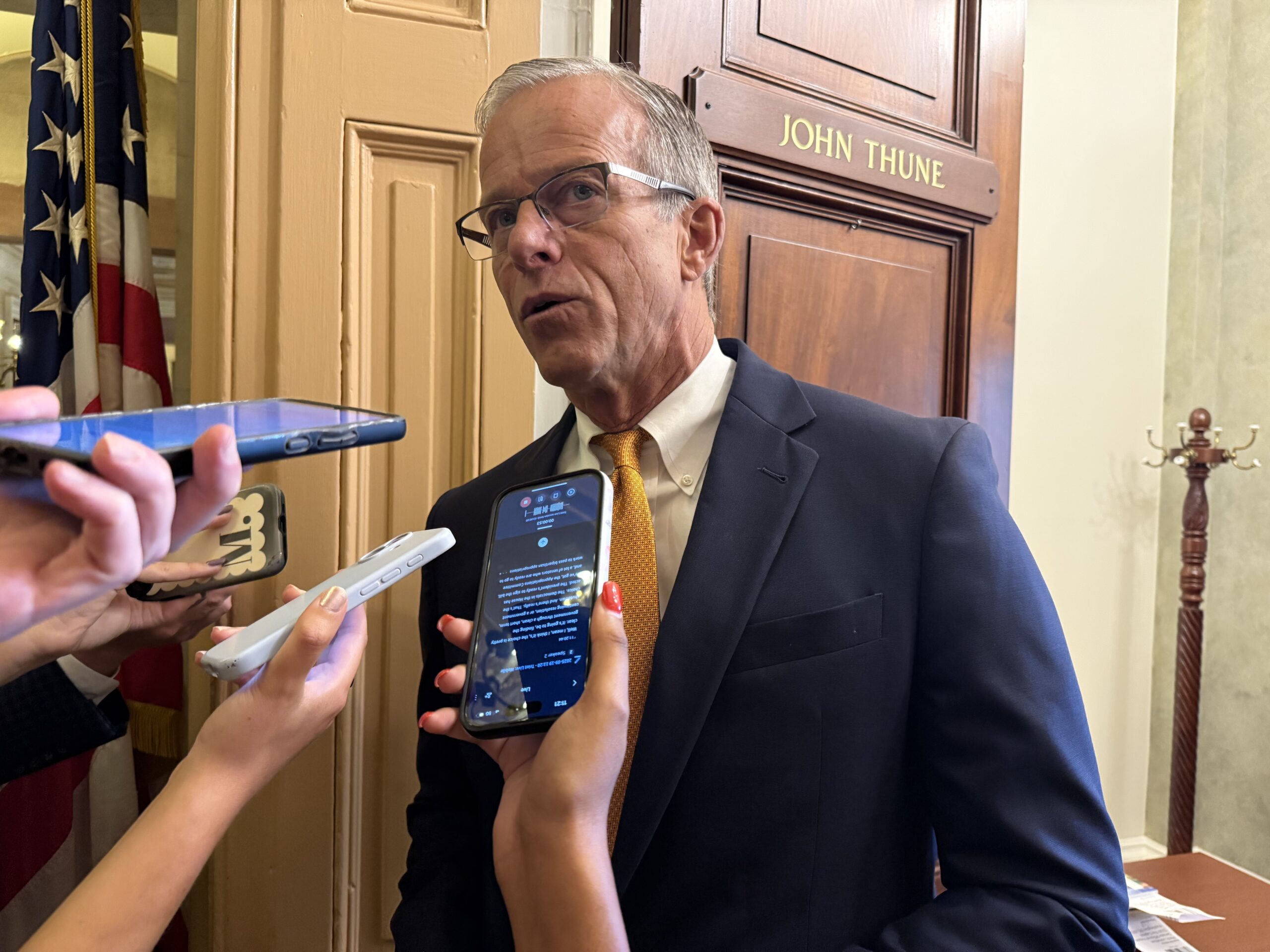
    WASHINGTON — U.S. senators from both political parties said Tuesday they had yet to see the text of the deal Trump administration officials struck over the weekend to end the war in Iran, though several indicated any final agreement will require their approval.

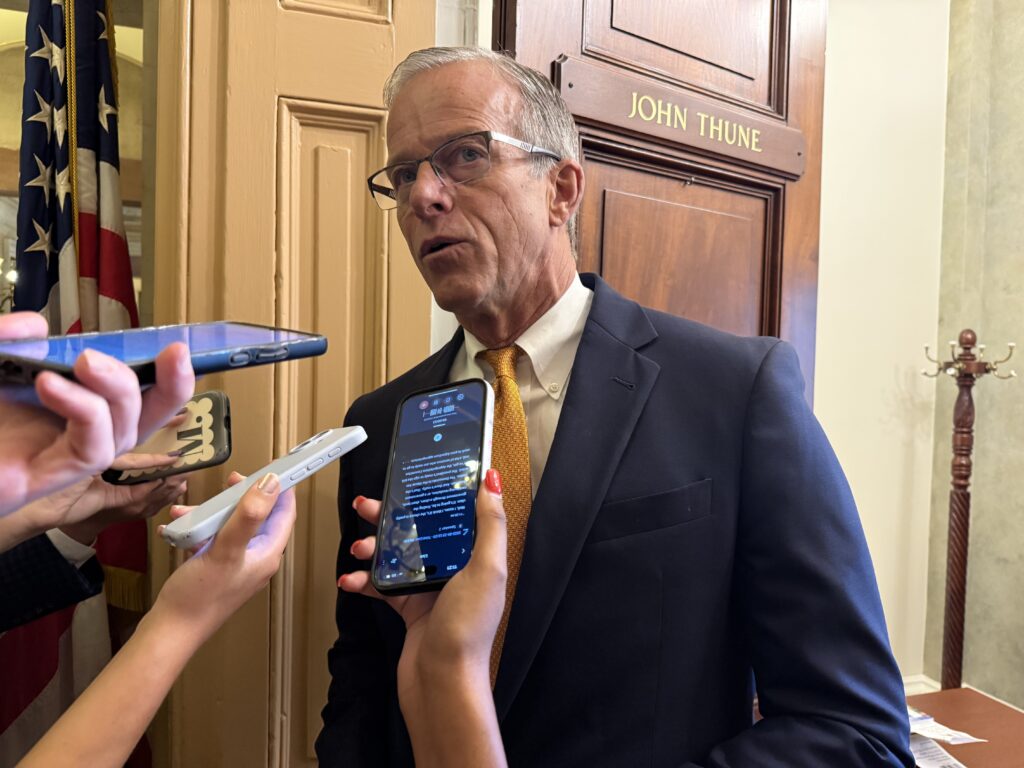
    Senate Majority Leader John Thune, R-S.D., said administration officials have signaled they expect to share the text of the memorandum of understanding with lawmakers, though he didn’t know when.

    “Hopefully that’ll happen sooner rather than later,” he said. “But, you know, obviously it sounds like they’re not going public with it until later in the week. So we’ll see.”

    Thune said he’s heard the deal sets up a 60-day framework for negotiators to reach agreement on more specifics, including about Iran’s nuclear ambitions.

    “I think at the end of the day the goal here is to make sure that Iran ends its nuclear program and whatever financial incentives they have should be conditioned upon that,” he said. “But we’ll see when we know more.”

    President Donald Trump, speaking from the G7 convention in Europe, said he may hold a press conference in “a couple days” to release the text of the memorandum of understanding and appeared ready for a vote in Congress.

    “What I would like to do is send it to Congress, saying you shouldn’t approve it. And I will get it approved. Whatever I say, they want to do the opposite,” he said. “It is not working too well for them, by the way.”

    North Dakota Republican Sen. John Hoeven said he believes the plan is to vote to approve the Iran agreement at some point.

    “I think anytime you have Congress ratify something, it gives it longevity,” Hoeven said. “You can’t have the next president come in and change it with an executive order. So I think that’s a benefit. I think it helps strengthen it.”

    Hoeven said he hasn’t heard from administration officials why they haven’t shared the text of the memorandum of understanding with senators, even in a classified setting. But he said he’s more focused on U.S. enforcement of agreements on Iran’s nuclear program in the long term.

    “The real issue is that we have something that we can enforce and that’s hard with Iran because they don’t honor any agreement,” Hoeven said.

    Is the agreement a treaty?

    Louisiana Republican Sen. Bill Cassidy said he believes an agreement with Iran would represent a treaty and be subject to Senate approval.

    “It sounds like a treaty,” he said. “And if it’s a treaty, it certainly seems like it.”

    That would require strong bipartisanship, since the Constitution sets a two-thirds threshold for the Senate to approve a treaty.

    Cassidy added it appears the administration will need the Israeli government — which initiated the attack on Iran with the United States — to stop its war in Lebanon in order to reach a final deal with Iran during the next two months.

    “To make a deal, it takes two sides. In this case, maybe three, maybe four because you have Hezbollah and Israel,” Cassidy said, referring to a powerful Lebanese political party and militant group opposed to Israel. “Hezbollah can just stir it up with impunity if they want to under certain circumstances. So you tell me, I mean, it takes two to dance, and so now it takes four to dance. Can you pull it off in 60 days? I don’t know.”

    North Carolina Republican Sen. Thom Tillis said the administration needs to be as transparent as possible about what exactly is in the memorandum of understanding it’s reached with Iran.

    “Minimally, there has to be maximum transparency,” he said.

    Tillis said it “makes sense” for the Senate to approve any final deal, saying President Barack Obama made a mistake when he didn’t have lawmakers ratify the agreement his administration struck with Iran in 2015. That deal was named the Joint Comprehensive Plan of Action, or JCPOA.

    “I’ve said repeatedly Obama made a mistake when he didn’t do the work to have it rise to the level of a treaty, and I believe that we should here,” he said. “Otherwise, it’s only good for two and a half years.”

    Tillis said he wasn’t concerned Congress hasn’t received the text of the memorandum of understanding yet, but that it’s imperative the administration share those documents.

    “Trust but verify,” he said.

    ‘Essentially a surrender’

    Connecticut Democratic Sen. Chris Murphy said he “doubts” the memorandum of understanding is actually real, but that if it is, lawmakers should expect there are “side deals” the administration may not share.

    “If what’s reported is real, it’s Iran’s terms. I mean, it’s essentially a surrender. But I think that’s the only play we can make at this point,” he said. “We have to end this war and stop wasting money and stop killing Americans and civilians and stop driving up prices. So it’s a bad deal but he’s not going to get a better deal. So we just have to accept the humiliation. But I don’t even know if it’s real.”

    West Virginia Republican Sen. Shelley Moore Capito said that lawmakers need to see the memorandum of understanding so she and others can “express our opinions.”

    “But right now we can’t because it’s not fully out there,” she said.

    Senate Intelligence Committee ranking member Mark Warner, D-Va., said he hadn’t seen the text of the memorandum of understanding or been briefed by administration officials. But he does believe the administration needs to submit it to lawmakers within five days, as outlined in a 2015 law.

    “My fear is that the details are not going to be as good as the president represents,” Warner said.

    Law requirements

    Congress approved legislation in 2015 that requires any presidential administration to submit the text of a deal addressing Iran’s nuclear program within five days. Those documents don’t need to be sent to every lawmaker but are supposed to go to the congressional leaders as well as eight committees with jurisdiction.

    That transmission creates a 30-day review period for the Senate Foreign Relations Committee and the House Foreign Affairs Committee to hold hearings and briefings.

    The law created a pathway for Congress to approve a joint resolution of disapproval for any Iran nuclear deal. The House and Senate would likely need the support of at least two-thirds of members in order to override a likely veto from Trump.

    Congress overriding a presidential veto of a disapproval resolution would block the Trump administration from lifting sanctions on Iran, though that seems an unlikely scenario given both chambers are controlled by Republicans.

    A report from the nonpartisan Congressional Research Service says a joint resolution of disapproval taking effect “would not invalidate the agreement itself but would affect only the possibility of presidential sanctions relief to Iran; nevertheless, precluding the President from providing such relief would almost certainly result in a dissolution of the agreement by Iran.”

    The law, officially titled the Iran Nuclear Agreement Review Act of 2015, also clears the way for Congress to approve a joint resolution of approval.

    The CRS report says that “would, upon enactment, allow the President to waive sanctions, apparently even if the review period had not yet elapsed.”

    Congress taking no action during the 30-day review period would allow the administration to begin sanctions relief as soon as that deadline passes.

  • Special ed, civil rights to be shifted out of Trump’s shrinking Department of Education

    WASHINGTON — The U.S. Department of Education announced sweeping efforts Tuesday to outsource its special education programs and civil rights enforcement to other agencies, in another major step by President Donald Trump’s administration to dismantle the department.

    The Department of Health and Human Services will administer programs under the Education Department’s Office of Special Education and Rehabilitative Services, or OSERS, while civil rights enforcement under Education’s Office for Civil Rights, or OCR, will be transferred to the Department of Justice.

    The move follows 10 earlier interagency agreements, or IAAs, with the departments of Labor, Health and Human Services, Interior, State and Treasury that transfer several of Education’s responsibilities to those agencies.

    The Education Department clarified in fact sheets that in the agreements announced Tuesday, it “will continue to perform all statutorily required duties and responsibilities.”

    “The Trump Administration has been clear: as we scale back federal micromanagement when it hinders success, we are equally committed to bolstering the efficacy of federal oversight where it is essential,” U.S. Education Secretary Linda McMahon said in a statement Tuesday.

    The administration has sought to do away with the 46-year-old department as part of Trump’s quest to return education “back to the states.” That push continues despite much of the oversight and funding of schools already occurring at the state and local levels.

    Congress created the Department of Education, and only Congress has the authority to abolish the agency.

    Special education

    On a background call with reporters, a senior department official said OSERS “will maintain its independent statutory functions without interruption to vigorously enforce compliance with all of OSERS programs.”

    OSERS is responsible for administering the Individuals with Disabilities Education Act, or IDEA, which guarantees a free public education for students with disabilities. The umbrella unit OSERS includes the Office of the Assistant Secretary, Office of Special Education Programs and the Rehabilitation Services Administration.

    The official added that “students will not lose any rights, including their right to a free appropriate public education,” adding that “no agreement can alter the rights that students with disabilities are afforded under federal law.”

    “In coordination with and at the direction of OSERS, HHS will support meaningful stakeholder outreach; grant administration; enforcement, compliance, and monitoring activities; annual performance determinations and assessments; collection, reporting, and analyzing of data for monitoring compliance; and drawdowns of Federal funds,” according to a fact sheet.

    Civil rights oversight

    Meanwhile, Education’s agreement with the DOJ is intended to “support and bolster the federal government’s enforcement of federal civil rights laws,” a senior department official said.

    The Education Department’s Office for Civil Rights, or OCR, is tasked with investigating civil rights complaints from students and families.

    Under the agreement, “OCR will utilize the Civil Rights Division to evaluate, investigate and resolve complaints filed under the laws enforced by OCR,” the official said.

    The official also stressed that under the interagency agreement, OCR “retains management and leadership of OCR in accordance with federal law.”

    Education will also partner with the DOJ on student privacy protection, in which the Justice Department will “review complaints alleging privacy act violations, conduct necessary investigations and recommend potential resolutions,” per a fact sheet.

    In another agreement, the DOJ will “provide technical assistance” in training and advisory services regarding the desegregation of public schools, according to a fact sheet.

    ‘This isn’t efficiency — it’s chaos’

    The announcement sparked fierce condemnation from Democratic members of Congress, labor unions and advocacy groups Tuesday.

    Rachel Gittleman, president of American Federation of Government Employees Local 252, the union representing Education Department workers, said the interagency agreements regarding special ed programs and civil rights enforcement “will leave our most vulnerable students and families who have been shut out of our education system without the services they need and without protection when they face discrimination,” in a Tuesday statement.

    “This isn’t efficiency — it’s chaos,” Gittleman added. “Secretary McMahon is yet again targeting historically underserved students, eroding public trust, and sowing dysfunction for the federal employees who are trying to do their jobs on behalf of the public.”

    U.S. Sen. Patty Murray of Washington state, the top Democrat on the Senate Appropriations Committee, said that “instead of helping kids get a great education, this administration is spending its time, energy, and taxpayer resources fixated on where employees sit and illegally trying to shutter the Department of Education,” in a Tuesday statement.

    “It’s an outrageous betrayal that undoes decades of hard-won progress for students,” Murray added. “More kids with disabilities will be denied the education they are entitled to by law, and more college students who were harassed or assaulted will go without the justice they are owed.”

    Randi Weingarten, president of the American Federation of Teachers, one of the largest teachers unions in the country, said the decision “will have dire, real-world consequences.”

    “Congress — the only body that can legally take such actions — has refused to follow the whims of the White House when it comes to abolishing the Education Department,” Weingarten said. “And parents, educators, students, and the disability and civil rights communities are rising up — and will fight in every way possible to reverse this in the courts, at the ballot box and in the court of public opinion.”

  • Spanberger, legislators roll out retail weed plan, set to launch in July 2027

    Spanberger, legislators roll out retail weed plan, set to launch in July 2027

    Tuesday morning, Gov. Abigail Spanberger and the legislative architects of a long-awaited retail weed framework presented a revamped plan for the recreational marketplace that they said is set to launch next summer, pending finalization of the state budget.

    The announcement marked a major shift, after Spanberger vetoed the cannabis marketplace plan approved by lawmakers in this year’s General Assembly session, five years after the state made adult simple possession legal.

    Spanberger vetoes cannabis bill, stalling legal sales again

    “I am excited to stand alongside Sen. Lashrecse Aird and Del. Paul Krizek to announce that we have agreed to a proposal that will create a safe, legal, and well-regulated cannabis market here in the commonwealth of Virginia, with recreational sales beginning on July 1, 2027,” Spanberger said at the press conference in Richmond.

    “Virginians have been waiting a long time for policymakers and a governor who wanted to do this and get it right. And today we are taking an important step forward,” Spanberger added.

    Aird, a Democrat from Henrico, said the state tax on cannabis sales will be 6% at launch and will increase to 8% in 2029. Localities also have the option to add an additional tax of 1 to 3.5%.

    “If our goal is to move consumers away from the illicit market, then the legal market has to be able to compete, and keeping the tax rate low at the start is not just an economic decision, it is a public safety strategy,” Aird said.

    The plan will also limit the total number of retail locations to 350 statewide, which Aird said wouldn’t all debut at once and will be geographically balanced.

    In a compromise between the original legislation and Spanberger’s tweaks that lawmakers rejected before her veto, the new framework includes a $250 public consumption civil penalty that will not take effect until 2027.

    “We had serious concerns about creating extreme new penalties that would not have meaningfully reduced the illicit market,” Aird said, “but we believe this final framework strikes the right balance for enforcement mechanisms, but also in accountability, but also not harming those who just choose to participate in the market.”

    Krizek, a Fairfax Democrat, announced several measures designed to make the marketplace more equitable and accessible to small businesses, including one that will direct 75% of license fee deposits in the first year of operation into the Cannabis Equity Business Loan Fund.

    “This is important because access to capital is one of the biggest barriers for small businesses entering a highly regulated marketplace,” Kirzek said.

    The Virginia Cannabis Control Authority will be allowed to issue up to 100 microbusiness licenses by May 1, 2027, Krizek added, which will “help prevent the market from being dominated solely by the largest and best capitalized ventures.”

    Microbusinesses will also be authorized to operate up to two locations under their license structure, which had been a key concern for small and rural entrepreneurs.

    Regulatory structures of the original plan like seed-to-sale tracking, a product testing framework, licensing administration, and reporting requirements related to ownership, equity, participation, and disciplinary actions are present in the updated framework, with Krizek framing them as tools to “create transparency and accountability as the market develops.”

    In contrast to the recent tensions between leading Democrats and Spanberger after she vetoed 31 bills that represented priority issues for the party, the governor, Aird and Krizek repeatedly emphasized the collaboration and compromise undergirding the new plan.

    “We have always had this same end goal, an end goal that has been years in the making, so I am proud to stand alongside these dedicated legislators and to be working alongside them to deliver a marketplace built to last,” Spanberger said.

    The House and Senate both released new budgets. Here’s how they align and diverge.

    The retail cannabis plan — released as the Senate money committee met nearby to unveil its reworked state spending proposal — hinges on finalization of the state budget, which has been stalled for weeks as lawmakers debate whether data centers’ sales tax exemption should continue.

    “I believe that the Senate is very much interested in also getting us a budget, and that we have shared goals on how to get there,” Aird said.

    The House revealed its new budget proposal on Friday; the chambers must work together to finalize the budget by June 30 to prevent a state government shutdown.