Author: admin

  • Corporate logos abound on White House grounds in prep for fights by Trump-allied UFC

    Corporate logos abound on White House grounds in prep for fights by Trump-allied UFC

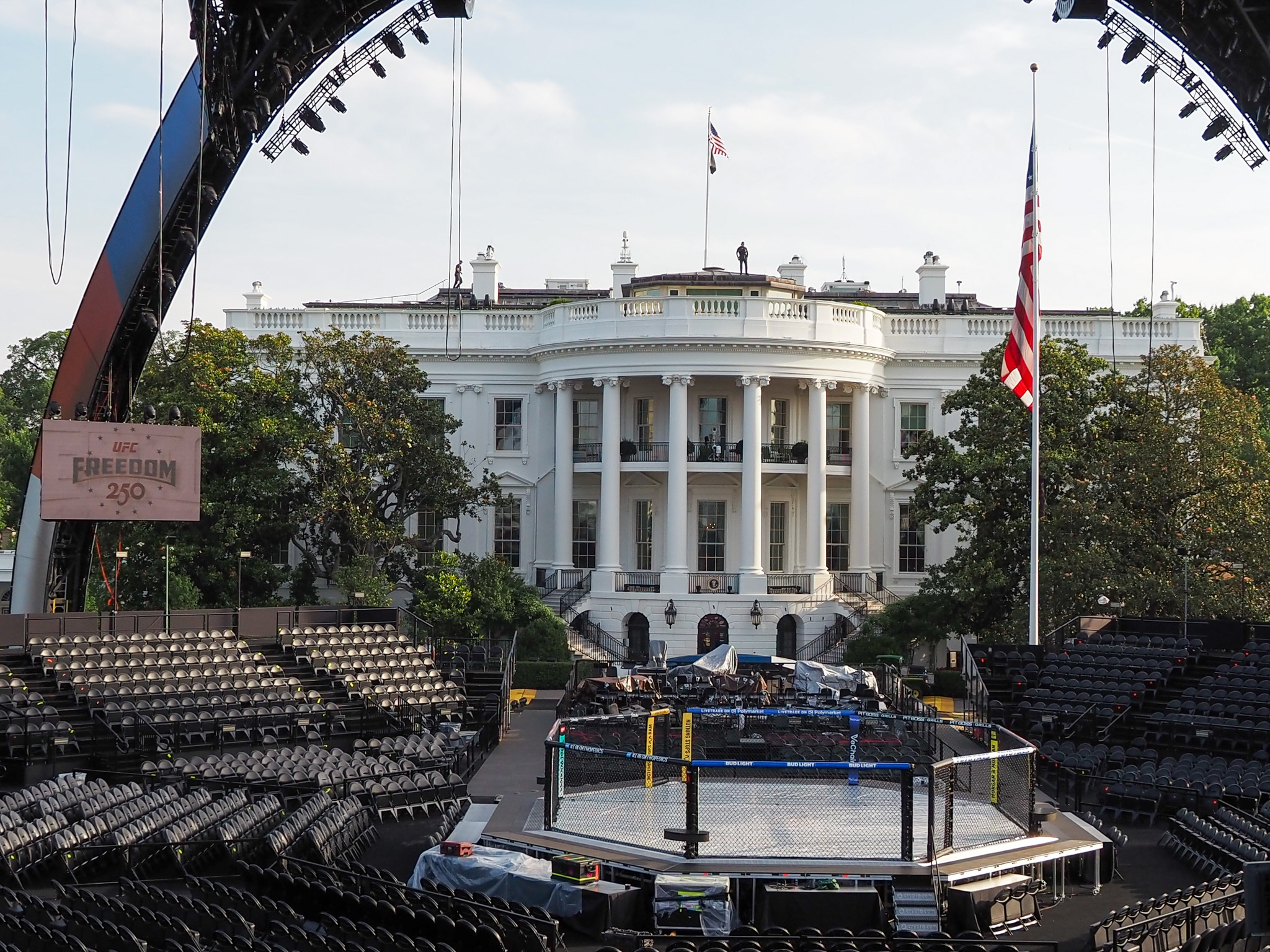
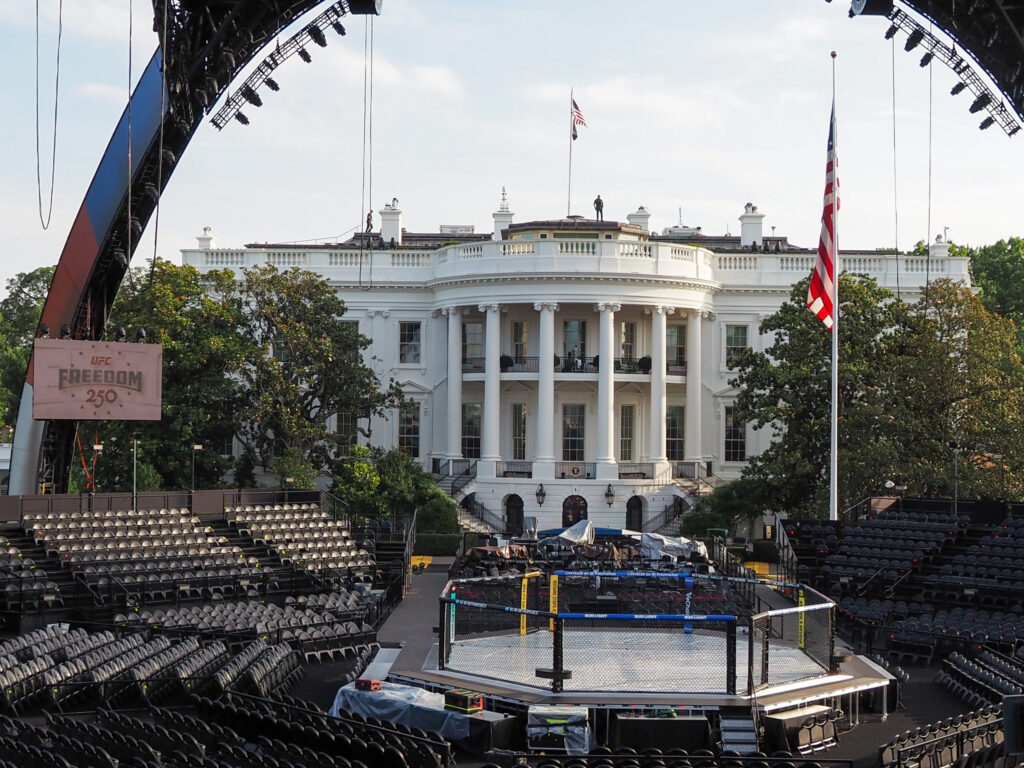
    WASHINGTON — Advertisements for Polymarket and Bud Light lined an eight-sided cage on the White House grounds Thursday ahead of a series of mixed martial arts fights scheduled for Sunday, President Donald Trump’s 80th birthday, and billed as a celebration of America’s 250th birthday.

    The Las Vegas-based Ultimate Fighting Championship company, whose chief executive is an ally of the president’s, will stage the seven-fight card that has drawn curiosity, outrage, a legal challenge and lots of money.

    The organization, led by Dana White, who delivered primetime speeches for Trump at the last three Republican National Conventions, is expecting over 65,000 fans at the two-day festival on the Ellipse beginning Saturday.

    The event reportedly cost $60 million, according to a government court filing. VIP sponsorship packages, including a chance to sit cage-side under “the claw” on the lawn of what’s often referred to as “The People’s House,” could cost up to the widely reported price tag of $1.5 million.

    Corporate organizers were laying finishing touches this week on a 92-foot red, white and blue structure that towers over the White House and reaches a radius around the fighting “octagon” — still under protective covering — to fit roughly 4,300 exclusive seats.

    Space for tens of thousands more spectators who can watch the fights on large screens is designated on the Ellipse, which will be open only to ticketholders and UFC-approved media. Up to 120,000 fans who scored free tickets in a lottery are expected, according to the administration. Additionally, the administration has invited 1,000 members of the armed services.

    The event, which is billing itself as “UFC Freedom 250,” is not affiliated with the national nonpartisan organization America 250, a commission created by Congress to mark the nation’s semiquincentennial.

    A June 10 promotional UFC article described the event as a “celebration of how far mixed martial arts has come and how deeply the UFC has embedded itself into mainstream sports and culture.”

    The main card will feature lightweight title champion Ilia Topuria up against interim champion Justin Gaethje and a heavyweight title fight between Alex Pereira and Ciryl Gane.

    The advertising blitz on grounds owned by the federal government has inspired accusations of corruption. Brendan Ballou, founder of the Public Integrity Project, which is suing to stop the event, said the main purpose is “to enrich the President and his friends.”
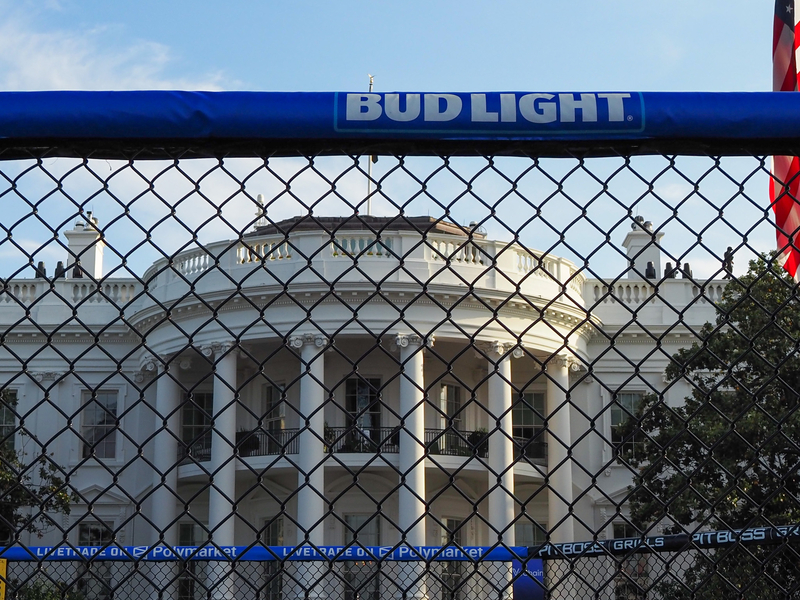
    Various advertisements, including those for Bud Light beer and Polymarket live betting, surrounded the Ultimate Fighting Championship ring, or

    Various advertisements, including those for Bud Light beer and Polymarket live betting, surrounded the Ultimate Fighting Championship ring, or “octagon,” on the White House South Lawn on Thursday, June 11, 2026. (Photo by Ashley Murray/States Newsroom)

    Corporate tie-ins

    The event has provided corporate advertising opportunities, including for companies with close ties to Trump, and “came together by special invite from the President of the United States,” according to UFC’s press materials.

    Dodge and Crypto.com are primary sponsors. Dodge is heavily promoting its line of Ram trucks at the event and Crypto.com will offer a $1 million in Cronos, the company’s digital currency, bonus pool to the evening’s top fighters.

    The fight will stream on Paramount Plus, the platform owned by Paramount Skydance, the mega-media company whose high-profile 2025 merger the Trump administration approved. UFC recently reached a $7.7 billion deal with the streamer giving it exclusive streaming rights for seven years.

    The White House collaborated with sports apparel company Fanatics to create an exclusive “USA 250” patch and logo that will be featured on fighters’ uniforms and on merchandise for sale, according to the UFC.

    An Ultimate Fighting Championship cage, or “octagon,” on the White House South Lawn on Thursday, June 11, 2026. (Video by Ashley Murray/States Newsroom)

    The “Octagon girls,” scantily clad young women who are fight mainstays and promoted by the company, “will wear a variety of custom outfits that will align with the overall theme of UFC FREEDOM 250 and further celebrate America’s history,” according to press materials.

    Trump has made no secret of his support for the MMA fight promotion company owned by his friend. He began promising a UFC fight on the White House lawn while on the campaign trail in 2024.

    The president purchased between $15,000 and $50,000 of stock in TKO Group Holdings, UFC’s parent company, in March, according to public reporting and court filings.

    In April, as Vice President JD Vance was in Pakistan wrapping up failed peace negotiations to end the U.S.-Iran war, Trump and Secretary of State Marco Rubio appeared together at a UFC cage match in Miami.

    A press conference is scheduled for the event Friday at the Lincoln Memorial and the Georgia-based Zac Brown Band is set to perform Saturday night, according to a court filing from the government.

    The Ultimate Fighting Championship branded its upcoming mix martial arts fight on the White House South Lawn, on Thursday, June 11, 2026, as a celebration of America's 250th birthday. (Photo by Ashley Murray/States Newsroom)

    The Ultimate Fighting Championship branded its upcoming mixed martial arts fight on the White House South Lawn, on Thursday, June 11, 2026, as a celebration of America’s 250th birthday. (Photo by Ashley Murray/States Newsroom)

    Block attempt

    Critics have panned the event as a “corrupt scheme,” and some are hoping for a last-minute court order to stop the event altogether.

    The nationwide anti-Trump organization No Kings has partnered with the Committee for the First Amendment to host and livestream a concert from New York City that will feature Patti Smith, Rufus Wainwright and Bette Midler.

    The groups are encouraging people to organize watch parties for the concert, which will occur at the same time as the “UFC cage fight spectacle,” No Kings organizers said in a statement.

    The Public Integrity Project, an anti-corruption advocacy organization, is backing two Virginians who say the National Park Service and the Department of the Interior are illegally lending out the public land for a massive event without permission from Congress and necessary environmental reviews.

    “If this fight is allowed to proceed, it will be only the beginning, and our national monuments will become little more than branding opportunities for the rich and well-connected. We plan to stop that,” Ballou said in a statement June 6 upon filing the lawsuit in U.S. District Court for the District of Columbia.

    The plaintiffs, a Vietnam War veteran and a civic activist, requested an emergency order from the court to halt the fight while the case plays out.
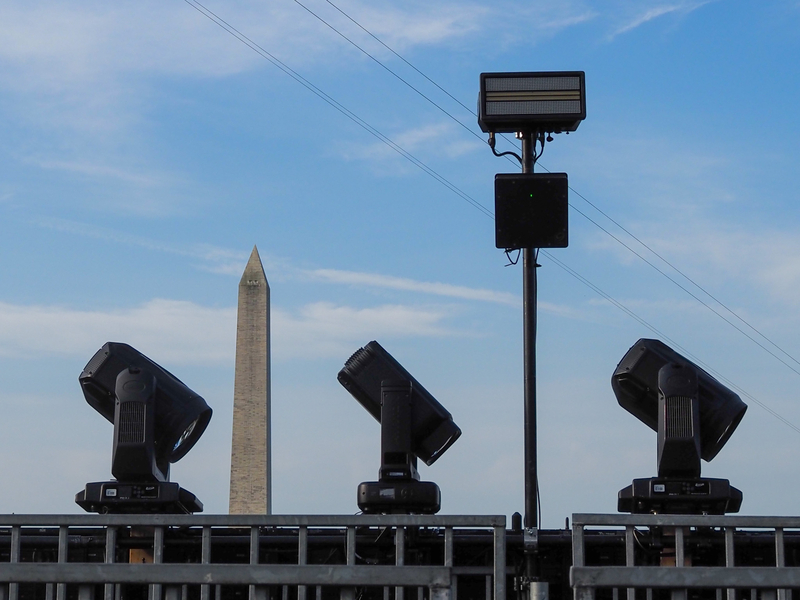
    Lights from the Ultimate Fighting Championship structure on the White House South Lawn frame the Washington Monument on Thursday, June 11, 2026. (Photo by Ashley Murray/States Newsroom)

    Lights from the Ultimate Fighting Championship structure on the White House South Lawn frame the Washington Monument on Thursday, June 11, 2026. (Photo by Ashley Murray/States Newsroom)

    Legal decision coming

    U.S. District Judge Amit Mehta, an Obama appointee, issued an order Thursday stating he would not schedule an emergency hearing but rather decide based on written briefs.

    In its response, the Trump administration dismissed the lawsuit as meritless, and noted that it did not name UFC as a defendant. Department of Justice lawyers wrote the plaintiffs are “two individuals: one who plans to walk past the event (intentionally ‘coming to the nuisance’) and another who might happen to drive past it.”

    “Two Plaintiffs with idiosyncratic preferences cannot use equity to upend an event of this cost and magnitude at the last minute and spoil the evenings of tens of thousands of other Americans who wish to celebrate their pride in their country in a manner that Plaintiffs disdain,” the DOJ argued.

    “No one is holding Plaintiffs in a jiu jitsu lock, forcing them to watch UFC Freedom 250 against their will,” the brief continued. “The public interest does not favor allowing them to exercise a heckler’s veto, particularly at this late date.”

    The White House, which has referred all questions about the event to the UFC, did not immediately respond to a request for comment about Mehta’s decision to not hold a hearing.

    The UFC did not respond to questions, including a request for comment on the pending lawsuit, the cost of the event and sponsorship packages, how many tickets have been sold and if the organization has a weather contingency plan for possible storms.

  • Trump says ‘great settlement’ of Iran war in the works, signing ceremony soon

    Trump says ‘great settlement’ of Iran war in the works, signing ceremony soon

    WASHINGTON — President Donald Trump announced Thursday that administration officials were close to brokering an end to the hostilities with Iran and predicted there could be a signing ceremony in Europe as soon as this weekend.

    “We just made a great settlement of the war with Iran and we’re going to be subject to finalization of documents, which should get done over the next few days, probably have a signing, maybe in Europe, and it’s a great thing,” Trump, who has earlier said deals were in the offing that did not come to fruition, said from the Oval Office.

    Trump said Iran’s Supreme Leader had approved the agreement, which he referred to as “a very strong memorandum of understanding that is a little conceptual.” There was no immediate confirmation of the agreement on social media accounts on which Iranian leaders often post.

    The deal, Trump said, would ensure Iran will not be able to develop or purchase a nuclear weapon and will end the blockade of the Strait of Hormuz, a main oil shipping route, once signed.

    Trump said he didn’t plan to attend the signing ceremony himself, but would likely send Vice President JD Vance.

    He projected the end of the conflict, which began in late February, would lower gas prices that rose sharply after the United States and Israel began a joint bombing campaign.

    Israel not part of deal

    Israeli Prime Minister Benjamin Netanyahu’s office posted on social media that the country doesn’t consider itself subject to the agreement brokered between the United States and Iran.

    “President Trump spoke this evening with Prime Minister Netanyahu regarding the emerging memorandum of understanding (MOU) with Iran to enter into negotiations,” the post said.

    “Even though Israel is not a party to the memorandum of understanding, the Prime Minister expressed his appreciation for President Trump’s commitment that the final agreement at the conclusion of negotiations will include the removal of enriched material, the dismantling of enrichment infrastructure, limits on missile production, and the cessation of Iran’s support for its terrorist proxies in the region.”

    The war led to considerable debate on Capitol Hill, where Democrats forced floor votes on several War Powers resolutions, questioning whether Trump had the authority to engage in a protracted bombing campaign without a formal declaration of war or an authorization for use of military force from Congress.

    The Trump administration sent a letter to lawmakers on May 1 declaring the war “terminated,” but bombing resumed this week after an Iranian drone shot down a U.S. helicopter.

    Strikes vowed, then called off

    Trump posted on social media a couple hours before his Oval Office appearance that he had “cancelled the scheduled strikes and bombings against Iran this evening.”

    “Discussions and final points have been, in both concept and great detail, approved by all parties involved, including the United States, Israel, Saudi Arabia, UAE, Qatar, Turkey, Pakistan, Bahrain, Kuwait, Jordan, Egypt, and others,” Trump wrote. “The Naval Blockade will remain in full force and effect until this Transaction is finalized — Time and place of the signing to be announced shortly.”

    The announcement was a reversal from one Trump posted earlier in the morning, where he wrote the U.S. military planned another round of intense bombing and would seek to control an island in the Persian Gulf.

    “At some point in the not too distant future, we will be taking Kharg Island, and other oil infrastructure points, and assume total control of their Oil and Gas Markets, much like we have with Venezuela, which is working out brilliantly for both Venezuela and the United States of America,” he wrote.

    Trump on Thursday declined to give a firm deadline for when U.S. and Iranian officials would sign a formal end to the hostilities, only saying he believes it will happen “pretty quickly.”

    Trump said he “might look at” providing financial aid to American farmers who experienced rising costs, including for fertilizer, as a result of the war, though he didn’t commit to it.

    “The farmers have a problem with fertilizer, but that’s all coming down now,” he said. “And your fuel is going to be, I think it’s going to be lower than it was four or five months ago.”

  • Strong candidates in Alaska, Ohio seen as moving US Senate races toward Dems

    Strong candidates in Alaska, Ohio seen as moving US Senate races toward Dems

    Democrats’ prospects in a trio of key U.S. Senate races are improving, an influential elections forecaster said Thursday, though Republicans are still favored to retain control of the chamber after the midterm elections.

    Sabato’s Crystal Ball, which predicts election outcomes, moved three races — in North Carolina, Alaska and Ohio — in Democrats’ favor. After the changes, the University of Virginia-based forecaster considers four contests pure toss-ups: Alaska, Ohio, Maine and Michigan.

    Democrats would have to sweep those races, and win competitive races in which they’re favored in Georgia, New Hampshire and Minnesota, to gain control of the Senate, which Republicans now hold with a 53-47 majority.

    That’s a tall task for Democrats, but it represents the best chance the party has seen this midterm cycle.

    In North Carolina, the race to succeed retiring Republican Thom Tillis is trending toward Democrats due to “big picture political factors” such as President Donald Trump’s poor approval ratings, the tip sheet said. Former Gov. Roy Cooper, a Democrat, easily won the state’s March primary and will face former Republican National Committee Chair Michael Whatley in November.

    The party that controls the White House is typically at a disadvantage in midterm races, and Trump’s underwater favorability in North Carolina only makes that race harder for Republicans, the Crystal Ball writers said.

    The three ratings changes make “Democrats’ path to the majority clearer, but we still favor Republicans in the overall race for the Senate,” authors Kyle Kondik and J. Miles Coleman wrote.

    Proven candidates

    Two Democratic candidates who have won statewide elections in Republican-leading Ohio and Alaska buoy Democrats’ chances there.

    In the Buckeye state, former U.S. Sen. Sherrod Brown is seeking to return for a fourth term in a favorable Democratic year after Republican Bernie Moreno ousted him in a GOP-dominated cycle two years ago. Brown will face Republican Sen. Jon Husted, who has never won election to the seat but was appointed to replace now-Vice President JD Vance after the 2024 election, in the fall.

    And former U.S. Rep. Mary Peltola, who in 2022 won a special election to become the first Democrat to represent Alaska in the House in a half-century, is challenging incumbent Dan Sullivan.

    Questions in Maine, Michigan

    The forecaster did not change its toss-up rating for Maine, which is the only Republican-held Senate seat contested this year in a state Trump lost in 2024 and was considered among Democrats’ best pickup opportunities at the start of the cycle.

    Political newcomer and Marine Corps veteran Graham Platner won the June 9 Democratic primary after his strongest opponent, Gov. Janet Mills, suspended her campaign. But some experts question his strength in a general election after more personal scandals were reported between Mills’ departure and primary Election Day.

    The Crystal Ball article Thursday compared Platner to weak Republican candidates who likely cost the GOP seats in favorable election years 2010 and 2022.

    The Maine race “features an embattled Democratic nominee, veteran Graham Platner, an anti-establishment candidate who may wind up being Democrats’ answer to weak, outsider GOP nominees from the Tea Party era (and, more recently, the 2022 midterm) that cost Republicans winnable races,” they wrote.

    The authors also said Democratic candidate quality will be a key factor in Michigan’s open seat.

    The race will likely keep the toss-up label at least until the Aug. 4 primary, they said.

    Former Wayne County health director Abdul El-Sayed has led some recent surveys in the three-way Democratic race, but polls the worst against GOP nominee former Rep. Mike Rogers. U.S. Rep. Haley Stevens appears to be Democrats’ strongest general election candidate, the forecasters said.

  • Injunction pauses ‘unconstitutional’ USDA conditions for SNAP, WIC funding to Virginia, other states

    Injunction pauses ‘unconstitutional’ USDA conditions for SNAP, WIC funding to Virginia, other states

    Virginia Attorney General Jay Jones announced Thursday that a federal judge issued a preliminary injunction on June 5 amid a multi-state lawsuit challenging “vague, extraneous and unreasoned conditions” to how the U.S Department of Agriculture issues funding to states.

    “As Virginians face a growing cost crisis, President Trump is politicizing funding for critical USDA programs that help feed vulnerable children, hardworking families, senior citizens and rural communities,” Jones said in a statement, noting that nearly one million Virginians are facing hunger and rely on programs like SNAP and WIC, which are funded by the USDA.

    As part of its 2026 conditions, states receiving USDA grants must certify that they don’t operate “any programs that advance or promote Diversity, Equity and Inclusion,” do not “promote gender ideology” and that they do not permit funding disbursement to undocumented immigrants.

    Countering this, Virginia, 20 other states and the District of Columbia sued in March, stating they believe the impositions for compliance are unclear and unconstitutional.

    The injunction means that these conditions will not apply as the lawsuit continues to advance.

    Federal lawyers said in court filings that the new requirements would “help promote the sound stewardship of taxpayer dollars, strengthen USDA’s control and oversight of obligated funds, and ensure that grant recipients comply with federal laws, regulations and policies.”

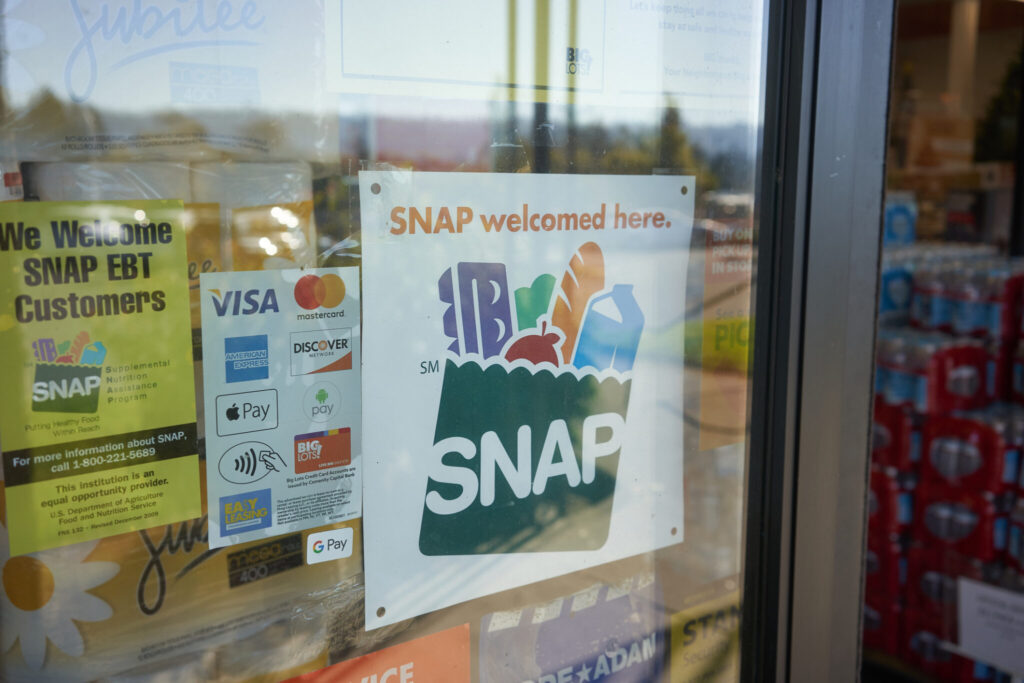
    About 850,000 Virginians (and millions of people nationwide) use SNAP to help them purchase their groceries.

    USDA is also the federal umbrella agency for other social services like the Special Supplemental Nutrition Program for Women, Infants and Children, the Emergency Food Assistance Program, and the Volunteer Fire Capacity Program.

    With one in eight Virginians facing hunger, Jones’ office called the USDA conditions “unconstitutional,” and Jones pledged to “keep fighting for these crucial resources and the people who depend on them.”

  • Tariff refunds for small businesses past due, US Senate Dems tell Trump administration

    Tariff refunds for small businesses past due, US Senate Dems tell Trump administration

    WASHINGTON — The Trump administration has failed to refund more than $145 billion in tariffs that the U.S. Supreme Court has ruled unlawful, a pair of U.S. Senate Democrats said in a Wednesday letter to the administration’s chief of customs.

    Sens. Ron Wyden of Oregon and Edward Markey of Massachusetts demanded that the U.S. Customs and Border Protection Commissioner Rodney Scott pay out refunds to small businesses for the tariffs that the court later determined President Donald Trump was not actually empowered to set.

    In their letter, the senators condemned what they called the administration’s continuous efforts to complicate and dodge the refund process and sought full compensation for all importers who together paid roughly $166 billion in tariff taxes under the International Emergency Economic Powers Act.

    Small businesses “deserve better, and the CBP needs to answer for this debacle,” they wrote.

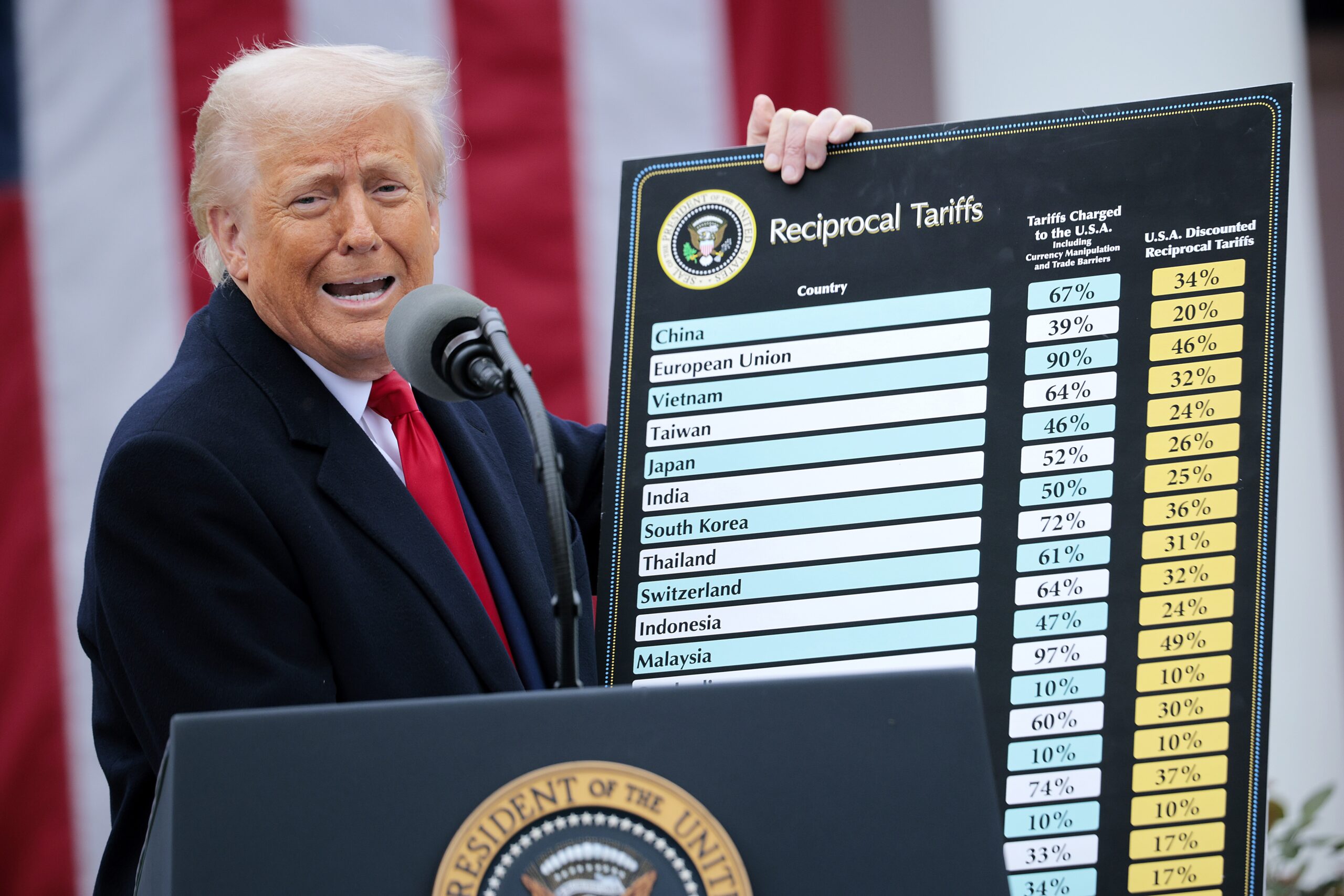
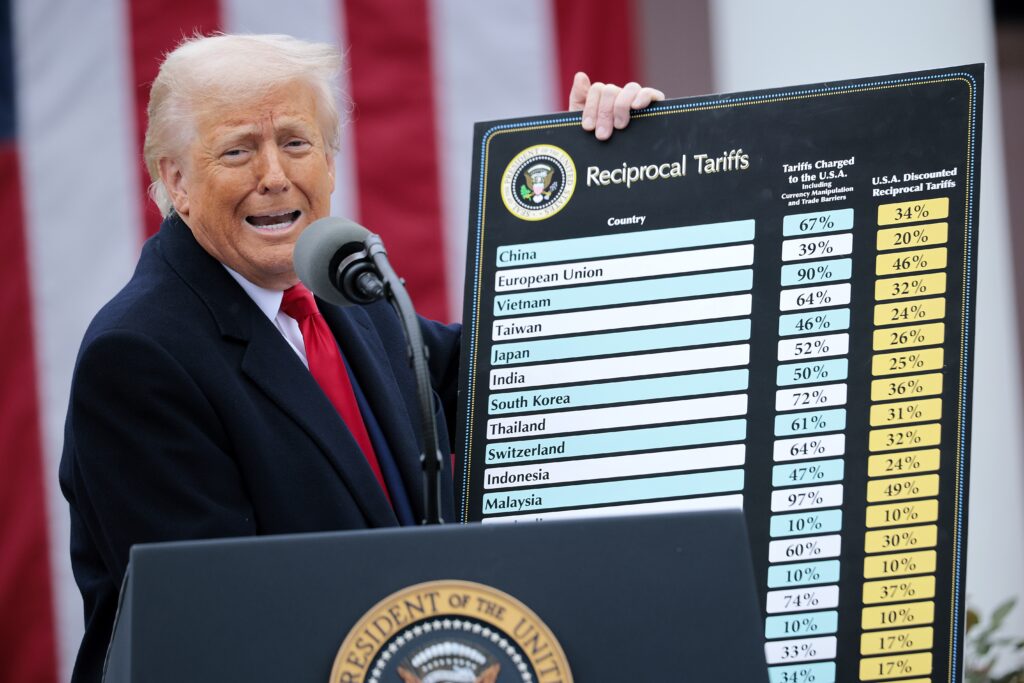
    President Donald Trump aggressively placed tariffs on countries across the globe early in his second term, making the import taxes a centerpiece of his economic agenda.

    But the U.S. Supreme Court found Trump’s stack of global tariffs, which he began implementing in early 2025, to be illegal in a February ruling, saying that his use of the emergency tariff act exceeded his powers as president.

    Soon after,the U.S. Court for International Trade instructed CBP to issue refunds to the businesses that had borne the costs.

    But according to court documents filed May 26, the Trump administration has refunded only about $20.6 billion of the tax money, while another roughly $85 billion remains in the processing stage, leaving more than $60 billion that is not even in the process of being returned.

    “That means tens of billions of dollars unlawfully collected from American businesses remain in government hands months after the courts ordered their return,” Markey and Wyden wrote.

    Markey is the ranking Democrat on the Senate Small Business and Entrepreneurship Committee, and Wyden holds the same position on the Finance Committee, which sets tax policy.

    An ongoing price to pay

    Many small business owners struggled under the weight of Trump’s tariffs while they were in effect, forced to raise prices, lay off employees and give up hopes of expansion to offset the costs.

    Now, they are still dealing with financial pressures as they wait for repayment from an administration that has, in Markey and Wyden’s words, “slow-rolled implementation of the refund process from the outset.”

    Following the Supreme Court’s decision, the administration took weeks to announce a refund procedure, the senators wrote.

    CBP eventually settled on a new claims tool called the Consolidated Administration and Processing of Entries, or CAPE, for the roughly 330,000 importers who paid tariffs to submit refund requests. The system went live in April.

    The lawmakers also pointed to Trump administration claims that some businesses may need to pursue individualized claims through litigation in order to receive tariff refunds, a process that could take up to years to settle.

    “This entire episode raises serious questions about whether the Administration is intentionally slowing the refund process in order to retain access to unlawfully collected funds for as long as possible,” they wrote in their letter.

    The senators included a list of refund-related questions for CBP in their letter and requested that the agency send written responses by June 24.

    A spokesperson for CBP acknowledged a request for comment Thursday, but said they could not guarantee a response in time for publication.

  • Strong candidates in Alaska, Ohio seen as moving US Senate races toward Dems

    Strong candidates in Alaska, Ohio seen as moving US Senate races toward Dems

    Democrats’ prospects in a trio of key U.S. Senate races are improving, an influential elections forecaster said Thursday, though Republicans are still favored to retain control of the chamber after the midterm elections.

    Sabato’s Crystal Ball, which predicts election outcomes, moved three races — in North Carolina, Alaska and Ohio — in Democrats’ favor. After the changes, the University of Virginia-based forecaster considers four contests pure toss-ups: Alaska, Ohio, Maine and Michigan.

    Democrats would have to sweep those races, and win competitive races in which they’re favored in Georgia, New Hampshire and Minnesota, to gain control of the Senate, which Republicans now hold with a 53-47 majority.

    That’s a tall task for Democrats, but it represents the best chance the party has seen this midterm cycle.

    In North Carolina, the race to succeed retiring Republican Thom Tillis is trending toward Democrats due to “big picture political factors” such as President Donald Trump’s poor approval ratings, the tip sheet said. Former Gov. Roy Cooper, a Democrat, easily won the state’s March primary and will face former Republican National Committee Chair Michael Whatley in November.

    The party that controls the White House is typically at a disadvantage in midterm races, and Trump’s underwater favorability in North Carolina only makes that race harder for Republicans, the Crystal Ball writers said.

    The three ratings changes make “Democrats’ path to the majority clearer, but we still favor Republicans in the overall race for the Senate,” authors Kyle Kondik and J. Miles Coleman wrote.

    Proven candidates

    Two Democratic candidates who have won statewide elections in Republican-leading Ohio and Alaska buoy Democrats’ chances there.

    In the Buckeye state, former U.S. Sen. Sherrod Brown is seeking to return for a fourth term in a favorable Democratic year after Republican Bernie Moreno ousted him in a GOP-dominated cycle two years ago. Brown will face Republican Sen. Jon Husted, who has never won election to the seat but was appointed to replace now-Vice President JD Vance after the 2024 election, in the fall.

    And former U.S. Rep. Mary Peltola, who in 2022 won a special election to become the first Democrat to represent Alaska in the House in a half-century, is challenging incumbent Dan Sullivan.

    Questions in Maine, Michigan

    The forecaster did not change its toss-up rating for Maine, which is the only Republican-held Senate seat contested this year in a state Trump lost in 2024 and was considered among Democrats’ best pickup opportunities at the start of the cycle.

    Political newcomer and Marine Corps veteran Graham Platner won the June 9 Democratic primary after his strongest opponent, Gov. Janet Mills, suspended her campaign. But some experts question his strength in a general election after more personal scandals were reported between Mills’ departure and primary Election Day.

    The Crystal Ball article Thursday compared Platner to weak Republican candidates who likely cost the GOP seats in favorable election years 2010 and 2022.

    The Maine race “features an embattled Democratic nominee, veteran Graham Platner, an anti-establishment candidate who may wind up being Democrats’ answer to weak, outsider GOP nominees from the Tea Party era (and, more recently, the 2022 midterm) that cost Republicans winnable races,” they wrote.

    The authors also said Democratic candidate quality will be a key factor in Michigan’s open seat.

    The race will likely keep the toss-up label at least until the Aug. 4 primary, they said.

    Former Wayne County health director Abdul El-Sayed has led some recent surveys in the three-way Democratic race, but polls the worst against GOP nominee former Rep. Mike Rogers. U.S. Rep. Haley Stevens appears to be Democrats’ strongest general election candidate, the forecasters said.

  • ‘The Dumocrats are at it again’: Trump attack on California election offers midterm preview

    ‘The Dumocrats are at it again’: Trump attack on California election offers midterm preview

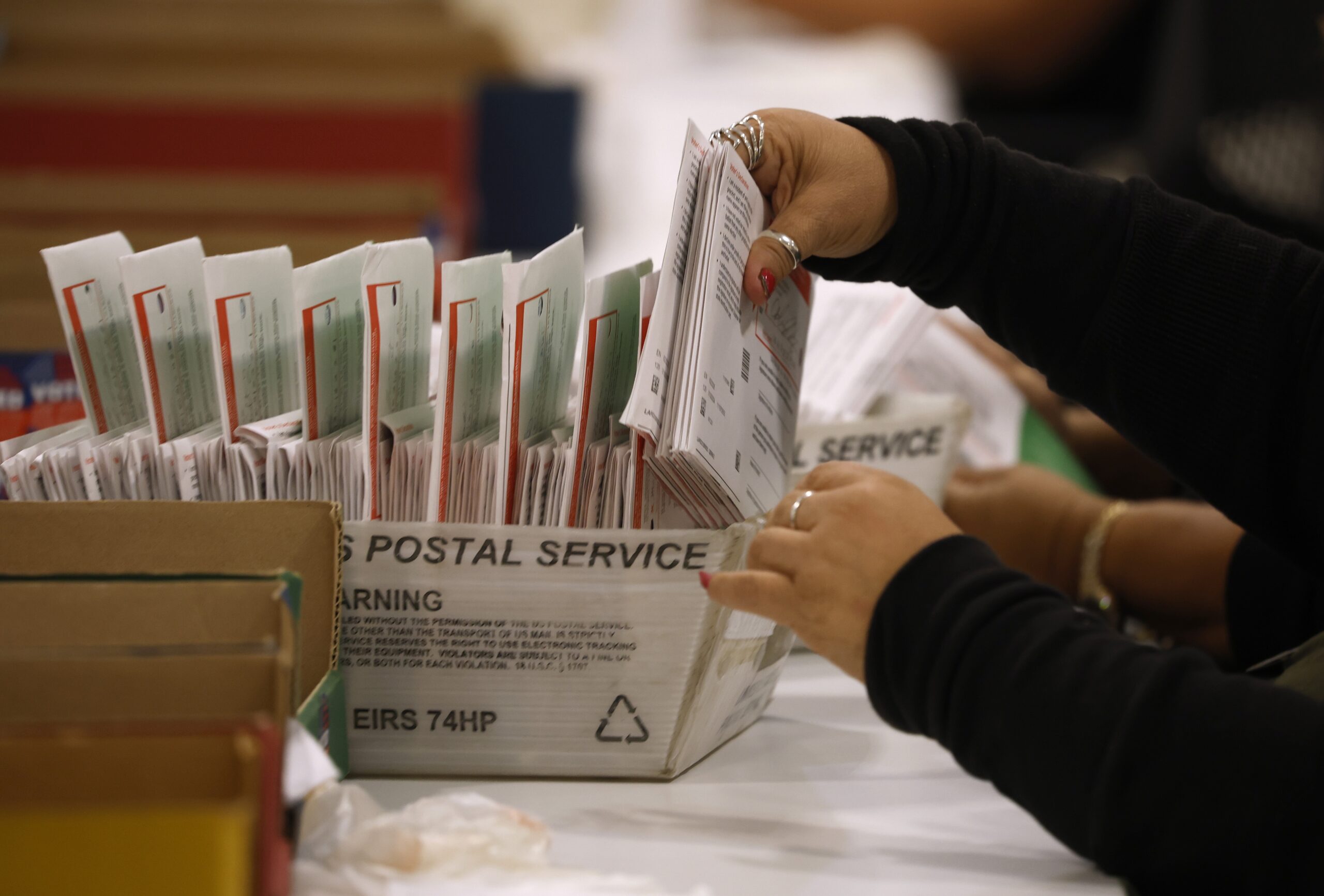
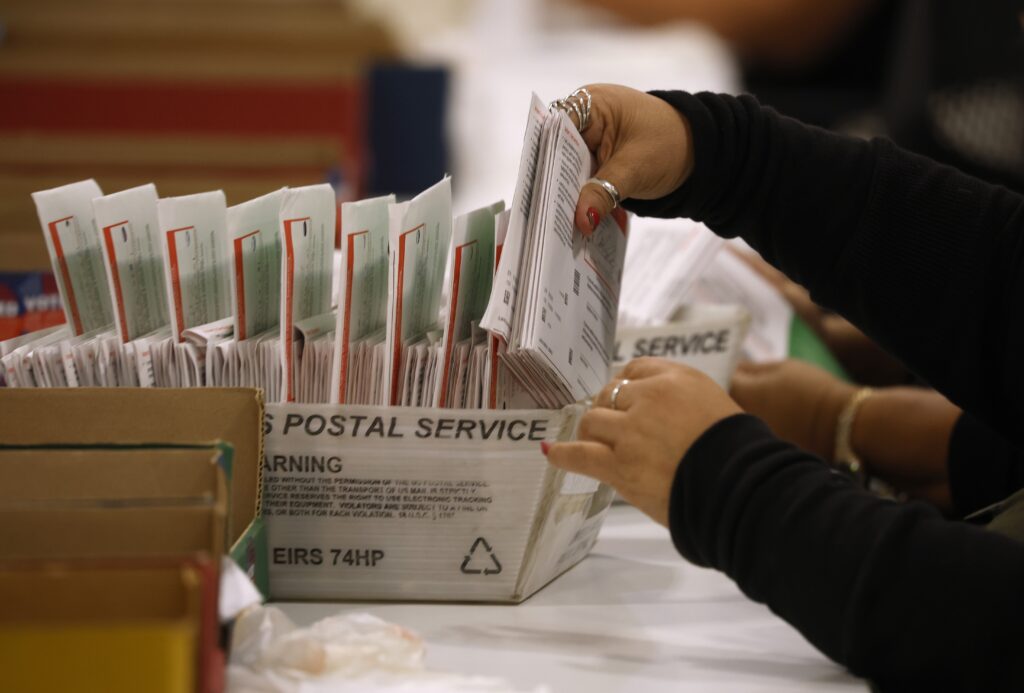
    California often takes days or even weeks to tally votes after its elections, a product of measures to protect voters and a deluge of mail ballots dropped off on Election Day. Incomplete vote totals reported in the hours after polls close don’t always reflect final results.

    None of this is evidence of fraud. But President Donald Trump has spent more than a week baselessly alleging malfeasance in California’s June 2 primary election, in which votes were still being counted as of June 11, offering a window into how he may approach the November midterm elections.

    Trump has claimed repeatedly, without evidence, that Democrats are stealing the election, even though the state is a party stronghold. California’s long count is a well-known feature of its elections, with election officials given about a month to process and tally all ballots.

    Democrats and experts on elections aren’t surprised by Trump’s statements, saying he is turning to familiar tactics in an effort to discredit unfavorable results.

    “Whenever they don’t like the outcome of an election, they spread lies about the election,” said David Becker, president and CEO of the nonpartisan Center for Election Innovation & Research and a former attorney in the U.S. Department of Justice Voting Rights Section.

    ‘The Dumocrats’

    After the 2020 election, Trump allies mounted a legal campaign to overturn the president’s losses in key battleground states, citing nonexistent fraud. When that failed, GOP lawmakers raised objections certifying President Joe Biden’s Electoral College victory. Finally, Trump rallied a crowd of supporters on Jan. 6, 2021, that went on to storm the Capitol.

    Trump continually cast the election as stolen during that period — a theme he’s returned to in hammering on California.

    “The Dumocrats are at it again!” Trump wrote in a social media post on June 3. “They are trying to STEAL THE GOVERNOR OF CALIFORNIA PRIMARY, AND THE MAYOR OF LOS ANGELES, PRIMARY, AWAY FROM TWO GREAT REPUBLICAN CANDIDATES. Here we go with the very late and massive numbers of MAIL IN BALLOTS.”

    The U.S. Department of Justice is following the president’s lead. The top federal prosecutor in Los Angeles has linked suspicions about California’s elections to the state’s refusal to turn over its unredacted voter roll, which includes sensitive personal data on residents.

    The Justice Department has sued California and 29 other states to gain access to the data, which it plans to feed into a Department of Homeland Security computer program that can identify possible noncitizen voters. So far, no federal judge has agreed the DOJ is entitled to the information.

    Eye on the midterms

    The voter roll lawsuits are part of a proactive campaign by the Trump administration to exert influence and control over the midterms before voting begins.

    The president has signed an executive order restricting mail ballots that currently faces multiple lawsuits. And Trump wants Congress to require voters to show documents proving their citizenship, but the legislation has stalled in the Senate.

    The stakes of the midterm elections are high for Trump and Republicans. Democrats retaking the House or the Senate or even both would mean the end of his legislative agenda and more aggressive oversight of the administration.

    At the same time, Americans’ confidence in elections is declining. Two-thirds of U.S. adults say they are confident or very confident that their state or local government will conduct a fair and accurate election, down from 76% in October 2024, according to a March poll conducted by Marist University.

    The 2026 House landscape — and Trump’s past comments — suggest he may direct his ire at additional states in November.

    For instance, of the 18 House races that the nonpartisan Cook Political Report with Amy Walter categorizes as a “toss up”, three are in Pennsylvania, a swing state that Trump alleged was the site of election fraud in 2020 (he won the state in 2024).

    California has its own “toss up” House race and an additional three only lean Democratic, meaning they remain competitive. After California, Texas and other states gerrymandered their congressional maps in recent months, control of the House could again run through California.

    “It’s been pretty clear to all of us that Republicans are laying the groundwork to do anything, and they will say anything, to hold power,” Rep. Pete Aguilar, a California Democrat, said at a news conference on June 9.

    Evidence of fraud?

    States Newsroom asked the White House to provide evidence substantiating Trump’s fraud claims in California. White House spokesperson Abigail Jackson responded with a statement that didn’t directly answer the question.

    “Countless Americans share the same concerns as President Trump watching the way California conducts its elections, including taking weeks to deliver results,” the statement says in part.

    California’s slow vote count dates back years and is driven by multiple factors. California, along with seven other states, sends mail ballots to all voters. In a statewide special election last year, nearly 89% of voters cast their ballot that way.

    This creates a flood of ballots arriving at election offices in the days leading up to and on Election Day, along with large numbers of voters who drop off their ballots in person. Voter signatures must be checked on ballot envelopes, adding more behind-the-scenes work that slows down election workers.

    Voters with an issue related to their ballot, such as a missing signature or signature mismatch, also have an opportunity to correct the problem. The process, called ballot curing, adds more time.

    Additionally, California has a week-long grace period for ballots that are postmarked by Election Day but arrive late, creating a trickle of votes that come into election offices days after polls have closed.

    The U.S. Supreme Court is poised to deliver an opinion soon that could strike down these grace periods nationwide, though such a decision could compound the ballot pileup on Election Day as voters move to get their ballots in sooner.

    Need for faster count acknowledged

    Evoking an image of a snake digesting a large meal, Kim Alexander, president of the California Voter Foundation, likened the arrival of ballots on Election Day to “the thing in the python.” Her nonprofit group has long advocated for improvements to the state’s election process, including a faster count.

    “While I am dismayed by the unfair criticism being placed on California, I’m more concerned about voter confidence being undermined, not just by those fraudulent claims but also by the long count itself,” Alexander said.

    The demand to know the winners of races on election night has been fueled by modern media, as news services and TV networks declare race winners. But these calls are almost always based on incomplete vote totals, and often rely on mathematical analyses of whether enough votes remain uncounted for other candidates to have a realistic chance of winning.

    Candidates are officially declared winners by canvassing boards and other election officials in the days and weeks following the election, depending on each state’s procedures. Often election night vote totals match the actual outcome of a race, but not always — a gap Trump is now exploiting to claim fraud.

    Democratic Gov. Gavin Newsom in May sent a letter to election officials that almost appeared to anticipate the reaction to the June primary and called for quick and accurate vote tabulation.

    “Time is of the essence in preventing election lies from taking hold,” Newsom wrote.

    House GOP leaders join criticism

    While California’s slow process is normal for the state, Trump allies have latched onto it — conflating the pace of the count with evidence of wrongdoing, even if they aren’t always as explicit as the president in accusing Democrats of trying to steal the election.

    House Speaker Mike Johnson, a Louisiana Republican, said during an exchange with a CNN reporter on Monday that while he wasn’t saying the election was rigged, it “stinks to high heaven.”

    “Whether you can prove fraud or not, it does undermine voter integrity in the vote,” House Majority Leader Steve Scalise, a Louisiana Republican, said of the slow count at a news conference.

    But Rep. Ted Lieu, a California Democrat, analogized the vote counting to a football game. The vote totals available on election night represent the score at half time — but the final score at the end of the game will be different.

    “It doesn’t mean there’s fraud, it just means the game was completed,” Lieu told reporters. “That’s what we’re seeing right now, we’re completing the vote count. And then we’re going to see who wins and who loses.”

  • Some Virginians with past felonies can apply to seal their records, starting next month

    Some Virginians with past felonies can apply to seal their records, starting next month

    After years of fine-tuning and preparation, a 2021 law allowing Virginians with certain past felony convictions to have their criminal records sealed will take effect July 1. Lawmakers and advocates say this will allow former felons without new convictions to expand their housing and employment options.

    Under the “Clean Slate law,” when hiring managers and landlords run background checks on people whose criminal records have been sealed, they won’t be able to see some older convictions. It only applies if former felons don’t have new convictions within seven years of their petition date for certain misdemeanors and 10 years for certain felonies.

    “We know that people age out of crime and nobody should have to live with their record forever,” said Sheba Williams, director of recidivism reduction organization Nolef Turns.

    As someone who navigated hurdles from her past criminal record, Williams founded her organization to help people return to society after incarceration. She has helped craft numerous criminal justice reform laws over the years.

    Sheba Williams is a Richmond native and the founder and executive director of Nolef Turns, which provides direct service and advocates for criminal legal systems reform on behalf of survivors and victims of crime, incarcerated people, and their loved ones. (Provided photo)

    People with Class 1 or 2 felonies – typically violent crimes or charges that carry life sentences — aren’t eligible. And petitioners must not have been convicted of a Class 3 or 4 felony within 20 years.

    Critically, Sen. Scott Surovell, D-Fairfax said, is that the law also effectively eliminates many barrier crimes. Should someone have a cocaine charge and be able to petition, for instance, they would no longer be prohibited from entering medical or security career fields.

    Surovell, along with Del. Charniele Herring, D-Alexandra, had led the legislative charge on the law.

    Over 900,000 Virginians are estimated to be able to seal their misdemeanors under the new provision, while over 100,000 are able to seal their felonies, according to a Virginia State Police presentation to the state Crime Commission.

    Part of the delay in setting up the sealing ability was to give circuit courts time to modernize records and prepare for the additional workload.

    Charlottesville Circuit Court Clerk Llezelle Dugger noted that it has taken a combination of clerks, state police and the office of the executive secretary in the state’s judicial system to properly prepare.

    Nuances had to be sorted out, like how far back the law would permit court records to be sealed and which types of crime would be eligible.

    “I give kudos to the Crime Commission,” Dugger said, for helping lawmakers bring the required parties to the table in recent years.

    With petitions opening July 1, Dugger does still anticipate some hiccups because certain convictions will be eligible for automatic sealing by October of this year.

    For instance, people with past petit larceny, trespassing, shoplifting, disorderly conduct or marijuana distribution misdemeanors would be eligible for automatic sealing so long as they don’t have new convictions within the past seven years.

    “I can see a layperson filing for something that would actually become sealed by October,” she said.

    Surovell said he’s eager for his bill to begin helping people. During a discussion panel last summer on the pending law, he shared that a constituent reached out to him about how a larceny charge from his youth had “followed him around” for decades.

    The new law’s colloquial name is also a nod to a law firm called Clean Slate Virginia and the national movement of the same name. Founder George Townsend, who dedicated his career to helping ex-felons navigate reentry, was also involved in advocacy for Surovell’s and Herring’s bill.

    He’s called the law a “game changer” for many of his clients’ personal and professional lives.

    Beyond employment and stable housing, Williams said people’s records can bar them from certain civic engagement like volunteer work or helping to chaperone their children’s field trips or sporting trips.

    “There’s all these nuanced things that people don’t always think about unless it’s happening to them or their loved one,” she said.

    People with misdemeanors that may have been dismissed but still show up on records can also seek an expungement through local circuit courts. This is a related, but different process where a conviction is not simply sealed, but deleted.

    More details on automatic or petition-based criteria can be found here.

  • The exemption Virginia can’t price and won’t stop

    The exemption Virginia can’t price and won’t stop

    Virginia gave data centers a $928 million tax break in a single fiscal year, 2023, and the General Assembly cannot pass a budget because it can no longer agree on whether to keep doing it. That is the fight underneath the standoff in Richmond, with state spending set to expire June 30 and the conferees who should be writing a deal gone home without one.

    The state’s own auditors laid out the stakes more than a year ago. The Joint Legislative Audit and Review Commission studied the exemption in 2024 and found it provided $928 million in tax savings in fiscal 2023. About 90% of the state’s data center industry was using it. The exemption has been on the books since 2010 and is scheduled to expire in 2035.

    Local governments race to attract data centers, often in spite of concerns from their constituents

    The significance of JLARC’s findings about the return on that money has eluded the budget debate so far.

    The benefit is real but front-loaded. JLARC estimated the industry contributes 74,000 jobs, $5.5 billion in labor income, and $9.1 billion in GDP to the state economy, then added the qualifier that matters: most of it comes from construction, not from running the centers once built.

    A typical data center employs about 50 full-time workers, half of them contractors, JLARC’s report found. At the height of building one, roughly 1,500 workers are on site. The jobs that justify the break are mostly the jobs that end when the concrete cures.

    Then there is the cost that lands on people who will never own a server.

    JLARC commissioned an independent study of utility rates and found current rates correctly assign costs to the customers who cause them, data centers included. But the industry’s appetite for power changes the math going forward. Meeting it requires building generation and transmission that would not otherwise be built, and those fixed costs get spread across every ratepayer.

    JLARC put a number on it: a typical Dominion residential customer could see generation and transmission costs rise by $14 to $37 a month in today’s dollars by 2040. That is the quiet transfer inside this debate. An industry that buys its equipment tax-free helps drive a power buildout that shows up on household bills.

    This is where the Senate and the governor parted ways. Senate Finance Chair Louise Lucas has pushed to wind the exemption down rather than let it run untouched to 2035, and walked out of the meeting when that went nowhere.

    Gov. Abigail Spanberger and House Appropriations Chair Luke Torian have resisted early repeal, arguing the state must honor the agreements it signed. A single tax preference has been able to hold the whole budget hostage.

    Spanberger’s data center position is the test of her affordability message

    The contract argument deserves a closer look than it usually gets. Companies claiming the exemption sign a memorandum of understanding with the state, and Virginia law spells out what that document must contain: the company’s investment target, its job target, the timeline, and what it owes back if it falls short.

    The binding promises run from the company to the commonwealth, enforced by clawback. Nothing in that framework commits the state to keep the exemption alive for any set term. The life of the break is fixed by statute, and a statute can be amended by the body that wrote it.

    That points to an option neither side is championing, though JLARC named it plainly: The Assembly could apply a partial exemption after 2035, or end the full break early, drawing the line to protect existing commitments while changing the terms for what comes next.

    JLARC noted the Assembly could even narrow an expiration to one region, while warning a Northern Virginia-only approach would do little to slow statewide growth, since the industry is now spreading down the I-95 corridor into central Virginia. A prospective change avoids the contract objection entirely, because no facility can claim it relied on a benefit it was never offered.

    The reason the clean version isn’t on the table is the same reason the budget is stuck. Prospective-only changes raise little money now, and the money is the point.

    Lucas wants revenue this biennium for services that federal cuts are squeezing. Phasing the break out for the existing base delivers that; protecting the base does not. So the legally cautious path is the fiscally weak one, and the fiscally strong path invites the fight over the agreements. Both sides understand the tradeoff. Neither states it out loud.

    A skinny budget may keep the lights on past June 30. It will not resolve what the standoff revealed.

    Virginia built an incentive its own auditors say returns less to the state than it costs, watched it grow into a near-billion-dollar annual line, and has not decided whether it has the will to change course. Localities adopting their own budgets this month, waiting on state numbers that may not come, will feel that indecision first.

  • Va. superintendent reaffirms to Congress Loudoun’s commitment to student needs, parental cooperation

    Va. superintendent reaffirms to Congress Loudoun’s commitment to student needs, parental cooperation

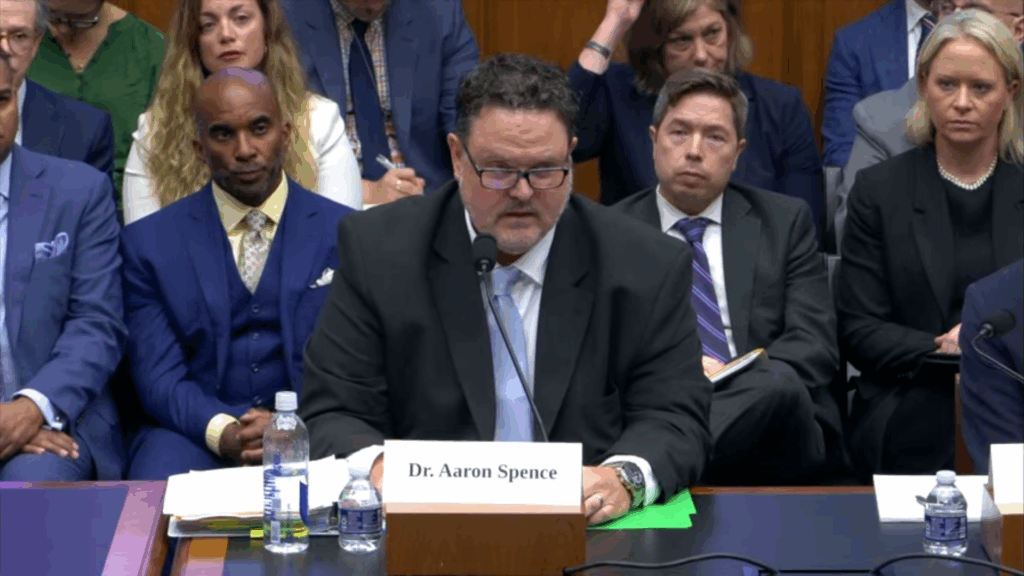
    The U.S. House Committee on Education and Workforce on Wednesday invited Loudoun County Public Schools Superintendent Aaron Spence and others to hear how K-12 schools in Virginia and other states manage sensitive educational content, student safety and the extent of parental control in classrooms, key issues in current national debates.

    The hearing follows recent federal investigations of the school system, including one triggered after a high schooler reportedly recorded peers in bathroom stalls. Another probe focused on the district allowing students to use facilities based on gender identity rather than biological sex.

    Loudoun Schools also faced a parent-led lawsuit for allegedly retaliating against male students who opposed a student assigned as female at birth changing in the male locker room.

    DOJ: Loudoun students’ suspension over locker room incident risks district’s federal funding

    Spence stated LCPS, serving 80,000 students in Northern Virginia, is committed to legal compliance, partnering with parents, providing rigorous coursework, removing learning barriers and centering student needs.

    He also pushed back against the “parents vs. schools” framing that has dominated education debates nationally over the past five years.

    “Too often, the public narrative frames schools and parents as adversaries,” said Spence. “That’s not the reality I see in our community, and it’s not the reality I see in public education more broadly,” Spence said. “As I mentioned earlier in the statement, I’m a parent, and I believe it’s critical that schools respect and listen to our parents as we work alongside them to educate our students.”

    Committee Chair U.S. Rep. Tim Walberg, R-Michigan, said some districts are prioritizing controversial gender policies over student safety and educational fundamentals, raising concerns about parental rights and student well-being.

    He pointed to national cases, including two in Loudoun County, the first where a teenager entered a girls bathroom and sexually assaulted a 15-year-old girl and the other over a teacher who was placed on leave after speaking out against what he called “radical gender ideology” in his personal capacity at a school board meeting.

    “School districts seem to be losing sight of their core mission and that core mission is educating students,” Walberg said. “When school policies affect the safety, the privacy, and the well-being of children, Congress has a responsibility to ask questions.”

    Spence, who joined LCPS in 2023 after these events, said state employees have a right to their “deeply held religious beliefs” but must also follow district policy. He added that LCPS does not discriminate, treats students according to the law and allows parent-requested rooming alternatives.

    Spence has the full backing of his school board, which upholds inclusive policies, according to a letter cited by Ranking Member U.S. Rep. Bobby Scott, D-Newport News. The board recently reconfirmed Spence’s job after a five-hour meeting, the Loudoun Times-Mirror reported.

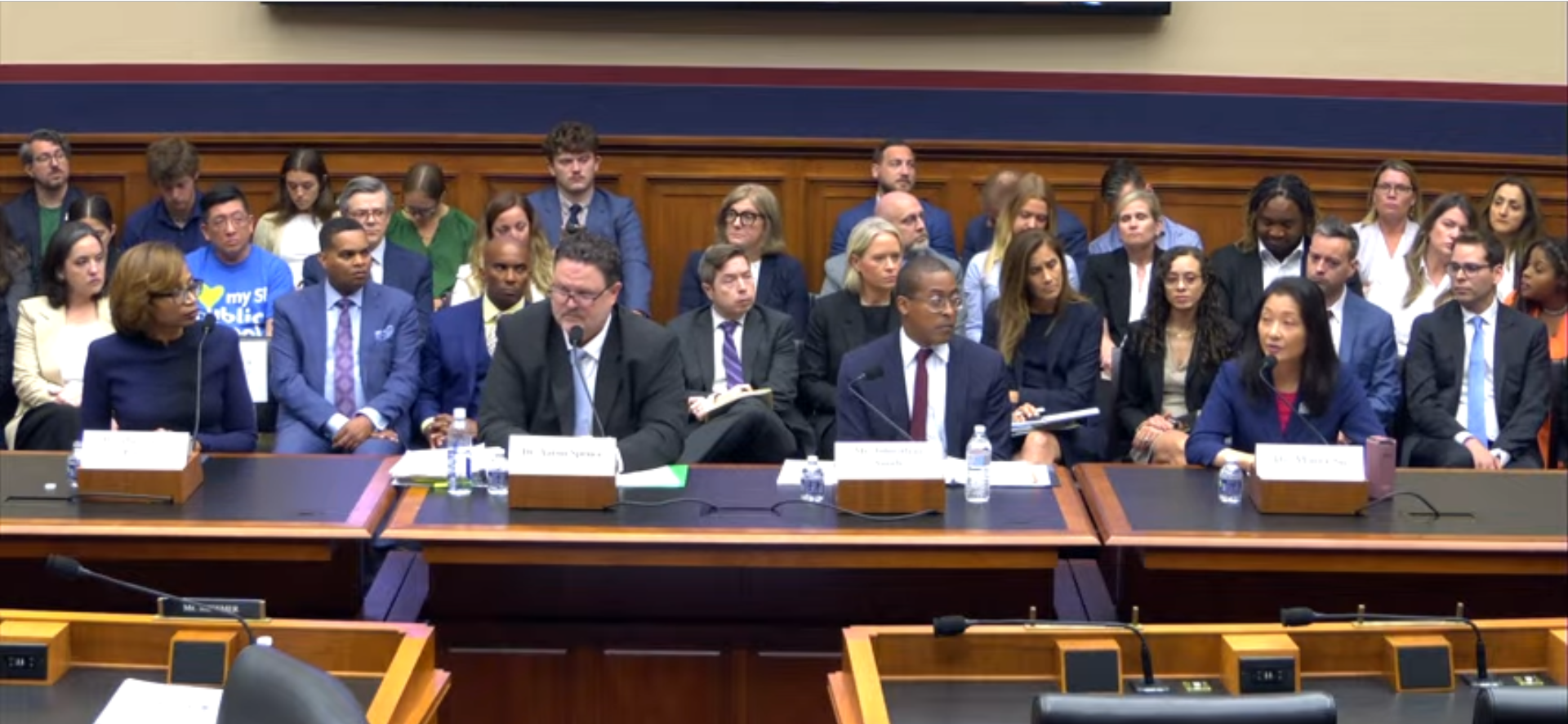
    A view of the witnesses at June 10 hearing with the House Committee on Education & Workforce. (Courtesy Photo of House Committee on Education and Workforce)

    Still, lawmakers questioned Spence on religious speech, parental curriculum access, room assignments, transgender rights, and the division’s handling of drug overdoses.

    “LCPS isn’t perfect, no institution is, but the good ones will understand that and address concerns,” Spence responded. “We work hard to ensure that the education we provide meets the needs of our students and our families.”

    Scott, the only Virginian on the committee, later argued Republicans are prioritizing “culture-war” issues over real student needs like affordability, gun violence, immigration enforcement, and learning loss.

    He added the federal government must ensure inclusive, quality, and safe learning environments, but said this is difficult when the Trump administration undermines the Department of Education and Office for Civil Rights, shutters the Institute of Education Sciences, and fails to resolve civil rights complaints or protect students from discrimination.

    “I’m disappointed the majority again ignores parents’ concerns, favoring divisive culture wars for political gain,” Scott said.

    Spence’s testimony made him the most recent K-12 Virginia superintendent to speak before Congress.

    In 2011, Robert P. Grimesey Jr., then the superintendent of Orange County Public Schools, spoke to federal lawmakers about how extensive federal regulations and reporting requirements affect teachers, administrators and students in elementary and secondary schools.

    Wednesday’s hearing lasted for slightly over three hours. Other witnesses included: Maria Su, superintendent of San Francisco Unified School District; Macquline King, superintendent and CEO of Chicago Public Schools; and Johnathan Smith, managing director at the National Center for Youth Law.