After months of debate and an increasingly fraught battle over how to tax and regulate data centers, Virginia budget negotiators announced Friday evening that they’d reached a deal featuring a new energy consumption tax for the industry that’s expected to generate $1.2 billion over the biennium.
The new plan also includes 4% raises for teachers each year, and roughly $285 million for health insurance from the state marketplace and food assistance funding for low-income families. It will also give localities authority to impose a 1% sales tax for school construction and renovation, if they choose. Nearly $1 billion has been allocated in the revised budget as contingency reserve to cover anticipated gaps from reduced federal funding.
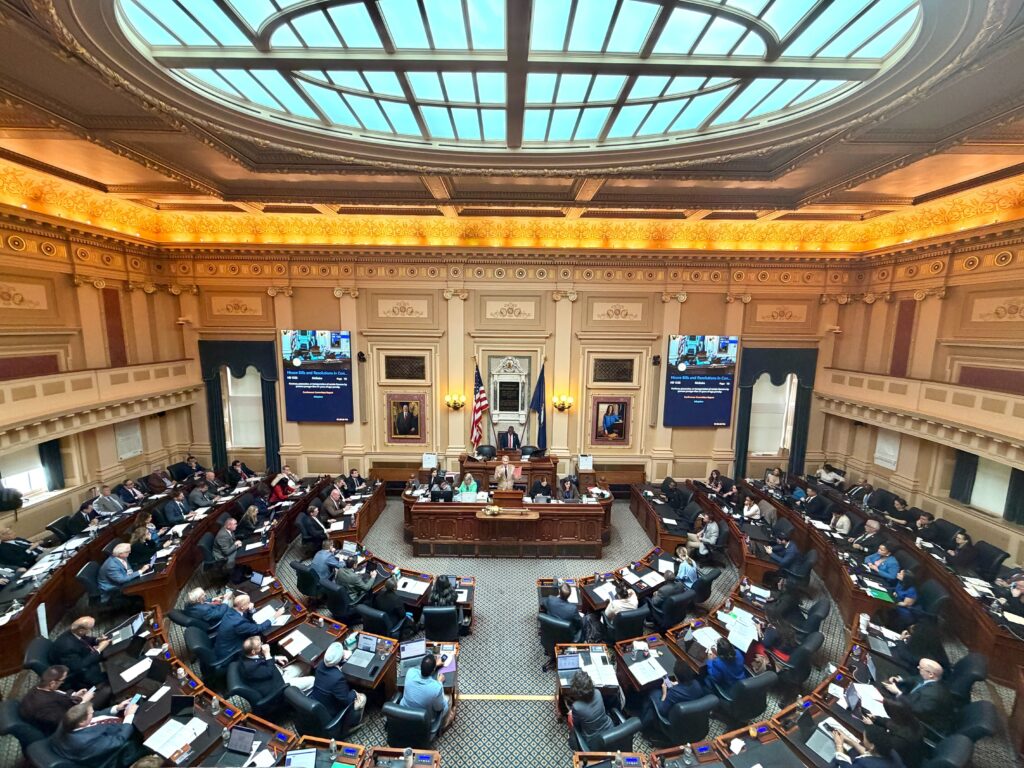
The Virginia House of Delegates will convene Monday afternoon in Richmond and the state Senate will meet the same day, as both chambers vote to finalize the budget, which will take effect July 1.
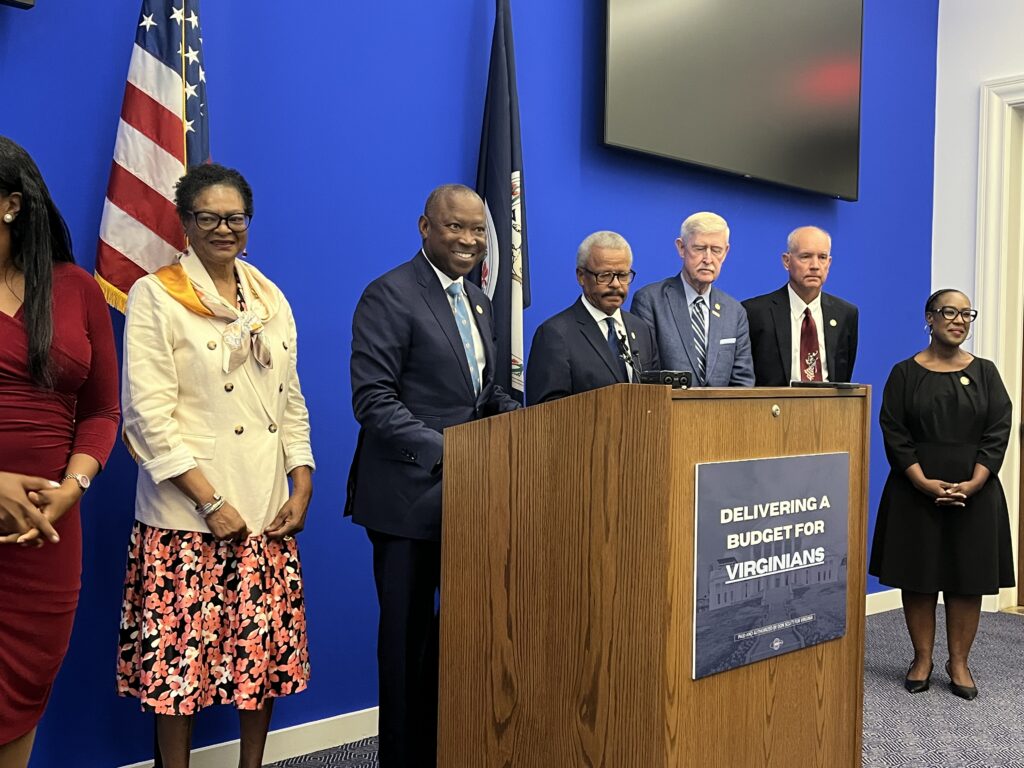
“This budget agreement reflects our shared commitment to making Virginia more affordable for families,” Sen. Louise Lucas, D-Portsmouth, and Appropriations Chair Del. Luke Torian, D-Prince William, said in a joint statement.
“At a time when too many households are feeling squeezed by rising costs and economic uncertainty, this conference report makes historic investments to lower costs, strengthen our schools, protect access to healthcare, expand economic opportunity, and maintain the Commonwealth’s strong fiscal foundation,” they added.
The House had been scheduled to meet last Thursday but Speaker Don Scott, D-Portsmouth, canceled the session, citing budget negotiators’ failure to reach an agreement. By Thursday, leaders in both bodies had signaled negotiations were progressing and legislators were closing in on a deal, the Richmond Time-Dispatch reported.
Senate budget proposal keeps data center sales tax exemption, adds new tax for industry
The issue that paralyzed the process for weeks was whether data centers should continue to be exempt from paying sales and use tax. Lucas proposed eliminating the exemption and was the most fierce defender of that stance until last week, when the Senate released an updated budget that removed the provision to revoke the exemption,
Lucas instead pitched a tiered tax for data centers based on their generator use and traveled statewide in recent days, drumming up public support for her chamber’s plan to levy more costs onto data centers, which they said would net the state $1.8 billion.
“We know technology is not bad,” Lucas said Tuesday on a tour stop in Chesterfield. “You know, we all can benefit from technology, but we, as a government, have not done a good job in managing the regulations and the impact on our communities and that’s what we’ve got to rein in.”
The House released a reworked budget proposal last Friday that stripped environmental stipulations the body had previously recommended but preserved the tax exemption for the digital facilities that now number in the dozens statewide.
The House and Senate both released new budgets. Here’s how they align and diverge.
The Senate is set to gavel in at 10 a.m. Monday and the House will convene at 2 p.m.
Editor’s note: This story has been updated to include details from lawmakers’ budget deal, released Friday evening. Stay tuned for The Mercury’s in-depth budget coverage this week.