Tag: Education

  • How public education has transformed in Virginia since the nation’s founding

    How public education has transformed in Virginia since the nation’s founding

    Like the United States, Virginia’s K-12 education system has evolved over the last two and a half centuries to better meet family needs and prepare students for the future. In the 250 years since America declared its independence, changes in policy, instruction, and technology have continually reshaped Virginia’s public elementary, middle and high schools.

    On the cusp of the nation’s semiquincentennial, Virginia legislators, educators and communities are reflecting on how to meet the moment and overcome challenges that persist for public education and students here.

    Newport News Democratic Del. Shelly Simonds — who has experience as a classroom teacher, local school board advocate and a legislative lobbyist for educational change — suggested Virginia’s next chapter focus first on “making teaching a true profession.”

    Accomplishing this requires better pay, benefits like paid family leave, and modernized school schedules that align with the workday, Simonds said.

    “We haven’t professionalized the teacher work day,” said Simonds. “If we want to retain the best and brightest teachers — because every child deserves excellent, highly qualified teachers — we’re going to have to examine some of these outdated practices. I think essentially we’re taking advantage of the good will of our teachers.”

    The state also needs to update schools’ curriculum for a tech-driven future and review federal policies that could threaten the state’s workforce and economy, Simonds and other legislators said.

    Education policy changes made learning more inclusive, standardized achievement

    Virginia has always served as a laboratory for education policy in the United States.

    In the colonial era and ensuing decades, key policy changes redirected state funds from religious to public schools, which broadened access to public education.

    In the 1950s and 1960s, desegregation opened public schools to all students regardless of skin color or background, diversifying school demographics and boosting educational equity.
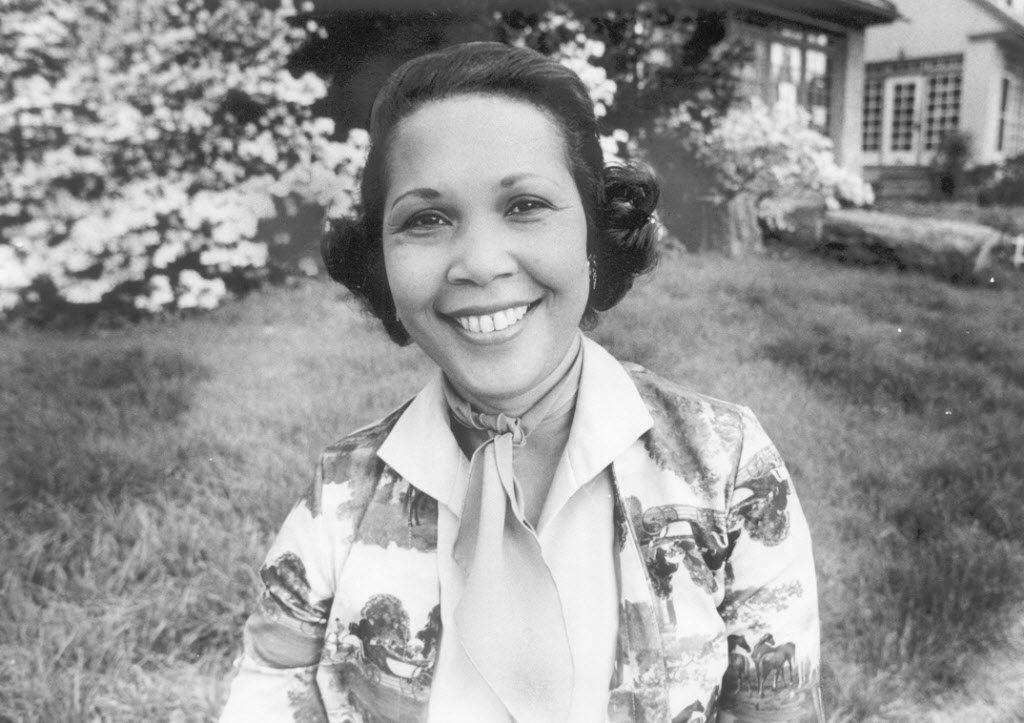
    Barbara Johns, who, as a teenager, helped organize a strike to desegregate schools in Prince Edward County. (Library of Virginia)

    House Education Committee Chair Sam Rasoul, D-Roanoke, said public education in the state has evolved from elitism toward broader access, but warned that challenges remain.

    “Statutorily, we have equal access and equity in education; however, in practice, we see the remnants not only of redlining, but that many poor neighborhoods have to suffer from lower access to resources due to the way we fund our schools, heavily reliant on local property taxes,” he said.

    “We’re still fighting for equity in education and equality in access,” Rasoul added.

    These policy developments culminated in the introduction of defined educational standards, ensuring a statewide baseline of academic achievement.

    In 1995, Virginia created the Standards of Learning, setting expectations for student learning before graduation from public schools. This policy standardized benchmark outcomes for students and influenced statewide curriculum planning.

    Since then, the state Board of Education has routinely updated these standards for each course subject, affecting instructional priorities and assessment.

    “The standards-based movement isn’t about standardizing education. It’s about clear guardrails and high expectations for what students should learn,” said Chris Jones, executive director for the Virginia Association for Teaching, Learning and Leading (VATLL), an education advocacy group.

    Beau Dickenson, the National Social Studies Leaders Association’s 2025 leader of the year, said standardized assessments matter but currently overemphasize rote knowledge rather than measuring what students can do with that knowledge.

    Relatedly, having a standard for students to live up to is “noble,” said Del. Mike Cherry, R-Colonial Heights, but striking the right policy balance is key.

    “I think (SOLs) were well-intentioned,” Cherry said. “I think the actual outcome has been, on some levels, a detriment to the learning environment. It’s become, in essence, teaching the test, so that you make sure they pass the test, not necessarily teaching all of the skills necessary that go beyond the test.”

    Havelock School, a historic two-room schoolhouse in Richmond County, Virginia, stands as a reminder of the region’s rural educational heritage and community history. (Nathaniel Cline/Virginia Mercury)

    While state policies have led to expanded standards and accountability, recent policy debates and reforms have coincided with more families choosing to homeschool or attend private schools, affecting public school enrollment and funding.

    According to data collected from the Virginia Department of Education by the Home Educators Association of Virginia, homeschooling increased by 5.34% this year compared to the previous school year bringing the total of students to 66,117.

    Rasoul attributed declining public school enrollment to declining birth rates, continued exploration of alternatives during the COVID-19 pandemic and the hyper-politicization of schools.

    “Whether you be on the right or the left, there is a small frustration in recent years about how hyper-politicized public schools have become,” Rasoul said.

    Most Democrats say public funds should continue to support the state school system. But with students turning to non-public school alternatives, some Republican lawmakers have called for public funds to be funneled to voucher programs for private schooling.

    Del. Tom Garrett, R-Buckingham, said Virginia’s schools should teach students “how to think, and not what to think,” and argued that schools have moved “too far into the social realm” by addressing topics that should be up to parents to tackle with their children.

    “I want schools to empower kids to be successful learners and critical thinkers, but some topics should remain with families,” Garrett said.

    Shifts in instruction

    For most of the state’s existence, Virginia’s educators taught using simple tools — chalkboards, textbooks and experience. As access to other materials and resources has grown, so has teachers’ knowledge, which they continue passing along to students.

    But in recent years, critical thinking and customization have played a larger role, with educators and lawmakers realizing that not every student learns the same way and viewing each student as an individual with unique strengths, interests, and cultural backgrounds.

    “(Virginia) is trying to move away from the one size fits all,” Jones said, “and really thinking about each student one at a time, and how they’re entering into their learning experiences, and then taking that information to get to where those standards say that each student needs to be at the end of their 13 years.”
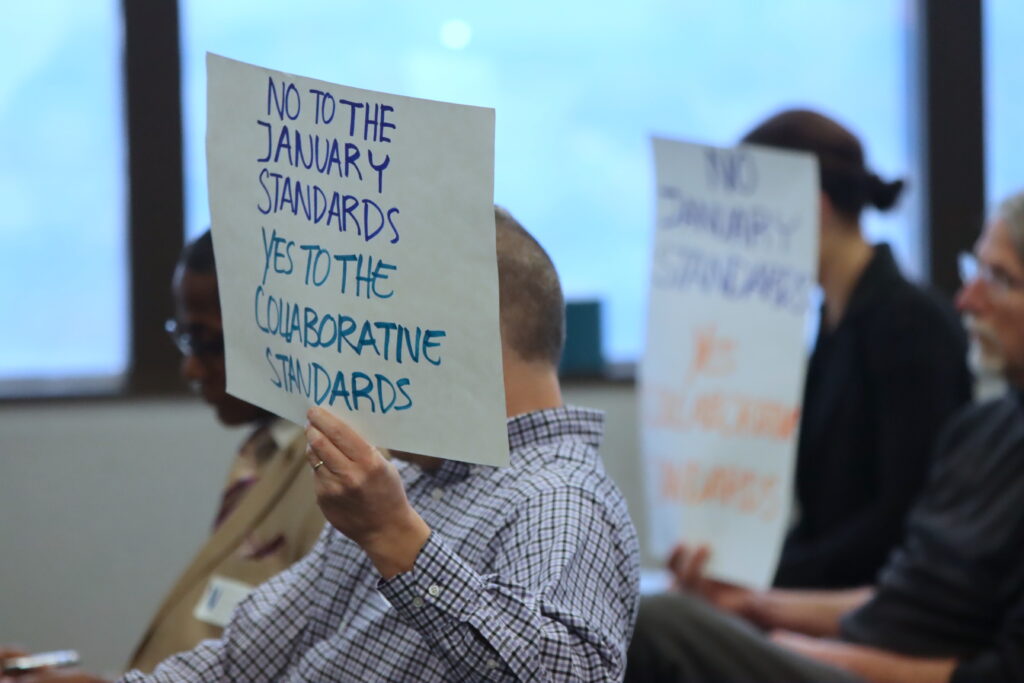
    A speaker holds up a sign supporting a draft of the history standards different from the version completed by the staff at the Virginia Department of Education. (Nathaniel Cline / Virginia Mercury)

    The state is now placing more emphasis on assessing students before instruction begins, understanding each student’s current skill level, and providing support for those who need additional help and for those who are ready to move on to advanced coursework, Jones said.

    Cherry criticized the state’s teaching model, citing pandemic-related learning loss and low reading levels as evidence that current approaches aren’t working.

    “I think the idea that every student in every neighborhood that’s the same age is ready to learn the same information at the same time, there’s a fallacy in that, and I think it’s one of the big problems with public education now,” Cherry said.

    Garrett added that Virginia educators must better prepare students for a globalized workforce.

    “This is always going to be a moving target, because the skills that a young person needs to enter the workforce … is different in 1990 than it was in 2010, different in 2026 than it was in 2010,” Garrett said. “So we should always be looking at those.”

    History and social sciences instruction have received extra scrutiny over the last few years, as public perceptions of what should be taught and how to teach it changed.

    Dickenson said the state now implements history and social sciences lessons through inquiry-based methods rather than rote memorization.

    “I was taught social studies in a very rote fashion, that it was all about names, dates, and places, and memorizing that information … and while that’s important, it’s not instructional best practice to just cover information,” Dickenson said.

    Technology transforms and challenges

    Democratic Lt. Gov. Ghazala Hashmi, a career educator, said technology has radically transformed classrooms, offering benefits for learning and beefing up critical thinking but creating challenges for schools trying to keep up with rapidly evolving applications and tools.

    “Virginia is continuing to work to address the technological shifts, and we still have much more to do as we keep up with the pace of change,” Hashmi said.

    The internet transformed curricula by vastly expanding access to information, Hashmi said, which makes information literacy — learning to discern reliable from unreliable sources — essential for students and the general public.

    The U.S. Education Department urged schools and districts on Tuesday to set policies governing smartphone use in schools. (Photo by SDI Productions via Getty Images)

    “Access to a global community of information puts considerable challenges on our students, on our educators,” Hashmi said. “We have to teach not just our students in the classroom, but the entire public on how to be able to discern information, how to be able to identify what is reliable versus what is not, and then how to be able to apply it effectively.”

    Cherry said he has been impressed by the speed of electronic curriculum updates compared to the old printed textbooks. Meanwhile, others like Simmonds are raising awareness that technology is pressuring schools to adopt new tools and to consider curriculum trade-offs.

    Responding to these shifts, Garrett is advocating for balance, naming concerns about students getting too much screen time, overreliance on tech and reduced interpersonal interaction.

    “There’s a balancing act here… because you want to make sure that young people know how to send an email and maybe enter a good query into AI … you (also) want to make sure that they know how to interact comfortably in a social setting with other humans (and) that AI is not writing their paper for them,” Garrett said.

    Dickenson says technology has greatly expanded access to information, but the pandemic showed its limits.Tech tools should be used to enhance learning rather than replace teachers or relationships, he added.

    “We need to find an appropriate balance for technology and utilize it not just for the sake of technology, but when it can amplify and advance learning.”

    Virtual learning also has its place, Hashmi said.

    Online education isn’t for everybody, that’s clear, but when you have educators that are prepared to teach online, and… students who are ready to learn online, it can be a very strong and positive application of the technology.”

    What’s next

    Education leaders said that while the state has made great strides in its public education landscape over the years, some areas still need improvement in terms of funding and readiness.

    Rasoul said the basic structure of classrooms has not fundamentally changed since the industrial age.

    “In general, I believe that the way we have structured public education largely is built for the industrial age and is not structured and conducive to the way public education needs to be in moving forward,” Rasoul said.

    He added that Virginia has asked schools to do more, including supporting students with their mental health and socio-emotional well being, all the while preparing students and themselves for the workforce changes in the future.

    Hanover County Public Schools created calming rooms, which are spaces designed to relieve stress and anxiety for students, during its in-house mental health pilot program that started earlier this year. (Photo courtesy of Hanover County Public Schools)

    “I don’t think that we have given the emotional and resiliency and the adaptability skills to students and adults alike to deal with the disruption that is coming,” Rasoul said.

    Virginia’s K–12 funding formula is over 50 years old and outdated, Hashmi said, and called on lawmakers to continue their work to modernize it and target more resources to high-need student groups: economically disadvantaged students, English learners and students with disabilities.

    The formula determines how much the state must allocate to school districts using staffing ratios rather than student need, Hashmi said, which puts some areas of the state and its students at a disadvantage.

    “The huge disparities that we have in educational opportunities because of our outdated funding formula are causing a great deal of hardship in our rural counties,” Hashmi said.

    Cherry countered that there is a disconnect between rising funding and declining outcomes, and challenged his colleagues to consider a new plan if something is not working.

    “When we look at education in Virginia today, we’re investing a record level of funding, (and) our outcomes are getting worse,” Cherry said. “I think we as legislators need to look at what’s working, what’s not, and whether we are willing to admit what isn’t working and be willing to change those things.”
  • Va. superintendent reaffirms to Congress Loudoun’s commitment to student needs, parental cooperation

    Va. superintendent reaffirms to Congress Loudoun’s commitment to student needs, parental cooperation

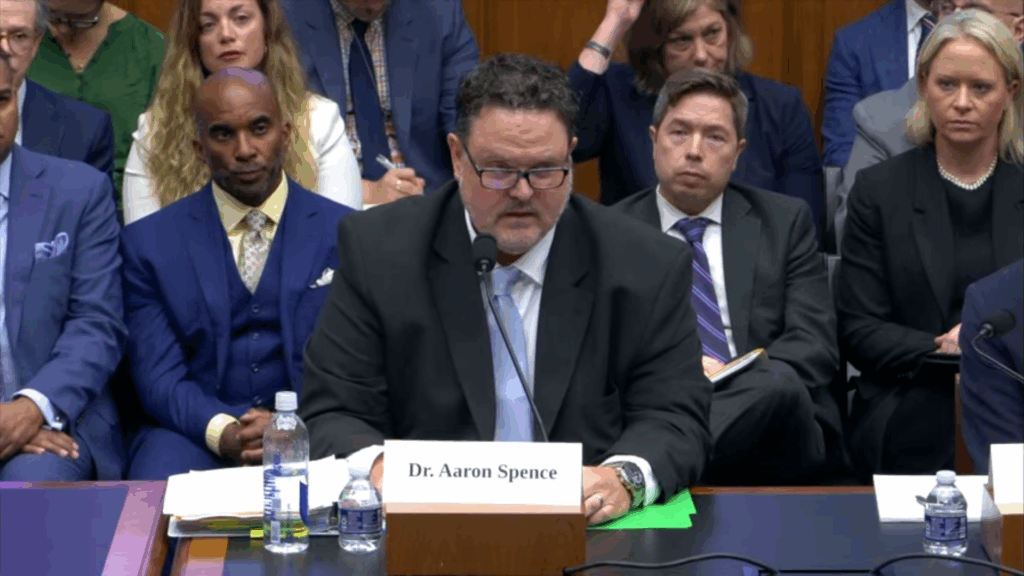
    The U.S. House Committee on Education and Workforce on Wednesday invited Loudoun County Public Schools Superintendent Aaron Spence and others to hear how K-12 schools in Virginia and other states manage sensitive educational content, student safety and the extent of parental control in classrooms, key issues in current national debates.

    The hearing follows recent federal investigations of the school system, including one triggered after a high schooler reportedly recorded peers in bathroom stalls. Another probe focused on the district allowing students to use facilities based on gender identity rather than biological sex.

    Loudoun Schools also faced a parent-led lawsuit for allegedly retaliating against male students who opposed a student assigned as female at birth changing in the male locker room.

    DOJ: Loudoun students’ suspension over locker room incident risks district’s federal funding

    Spence stated LCPS, serving 80,000 students in Northern Virginia, is committed to legal compliance, partnering with parents, providing rigorous coursework, removing learning barriers and centering student needs.

    He also pushed back against the “parents vs. schools” framing that has dominated education debates nationally over the past five years.

    “Too often, the public narrative frames schools and parents as adversaries,” said Spence. “That’s not the reality I see in our community, and it’s not the reality I see in public education more broadly,” Spence said. “As I mentioned earlier in the statement, I’m a parent, and I believe it’s critical that schools respect and listen to our parents as we work alongside them to educate our students.”

    Committee Chair U.S. Rep. Tim Walberg, R-Michigan, said some districts are prioritizing controversial gender policies over student safety and educational fundamentals, raising concerns about parental rights and student well-being.

    He pointed to national cases, including two in Loudoun County, the first where a teenager entered a girls bathroom and sexually assaulted a 15-year-old girl and the other over a teacher who was placed on leave after speaking out against what he called “radical gender ideology” in his personal capacity at a school board meeting.

    “School districts seem to be losing sight of their core mission and that core mission is educating students,” Walberg said. “When school policies affect the safety, the privacy, and the well-being of children, Congress has a responsibility to ask questions.”

    Spence, who joined LCPS in 2023 after these events, said state employees have a right to their “deeply held religious beliefs” but must also follow district policy. He added that LCPS does not discriminate, treats students according to the law and allows parent-requested rooming alternatives.

    Spence has the full backing of his school board, which upholds inclusive policies, according to a letter cited by Ranking Member U.S. Rep. Bobby Scott, D-Newport News. The board recently reconfirmed Spence’s job after a five-hour meeting, the Loudoun Times-Mirror reported.

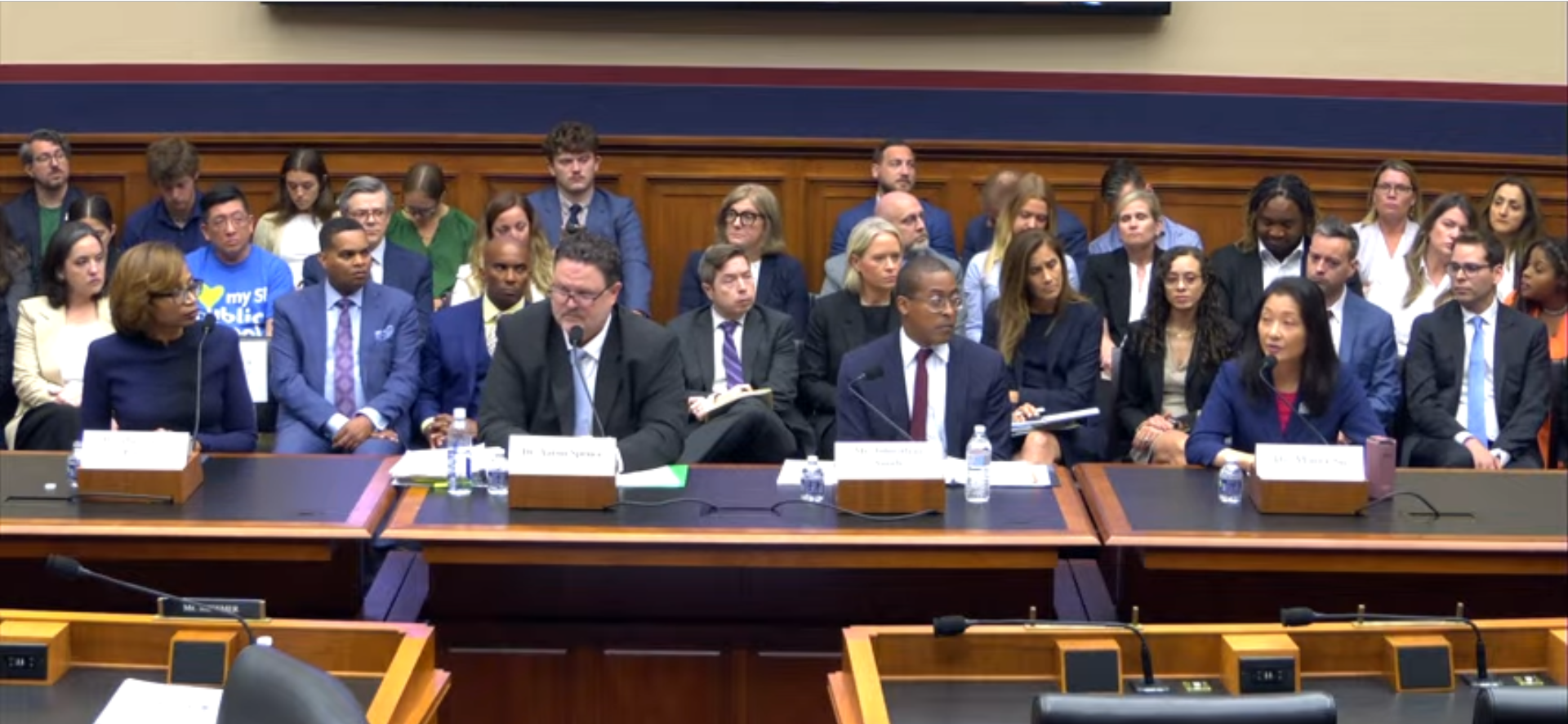
    A view of the witnesses at June 10 hearing with the House Committee on Education & Workforce. (Courtesy Photo of House Committee on Education and Workforce)

    Still, lawmakers questioned Spence on religious speech, parental curriculum access, room assignments, transgender rights, and the division’s handling of drug overdoses.

    “LCPS isn’t perfect, no institution is, but the good ones will understand that and address concerns,” Spence responded. “We work hard to ensure that the education we provide meets the needs of our students and our families.”

    Scott, the only Virginian on the committee, later argued Republicans are prioritizing “culture-war” issues over real student needs like affordability, gun violence, immigration enforcement, and learning loss.

    He added the federal government must ensure inclusive, quality, and safe learning environments, but said this is difficult when the Trump administration undermines the Department of Education and Office for Civil Rights, shutters the Institute of Education Sciences, and fails to resolve civil rights complaints or protect students from discrimination.

    “I’m disappointed the majority again ignores parents’ concerns, favoring divisive culture wars for political gain,” Scott said.

    Spence’s testimony made him the most recent K-12 Virginia superintendent to speak before Congress.

    In 2011, Robert P. Grimesey Jr., then the superintendent of Orange County Public Schools, spoke to federal lawmakers about how extensive federal regulations and reporting requirements affect teachers, administrators and students in elementary and secondary schools.

    Wednesday’s hearing lasted for slightly over three hours. Other witnesses included: Maria Su, superintendent of San Francisco Unified School District; Macquline King, superintendent and CEO of Chicago Public Schools; and Johnathan Smith, managing director at the National Center for Youth Law.

  • Wittman seeks to keep 1st District seat, as Democratic challengers face crowded primary

    Wittman seeks to keep 1st District seat, as Democratic challengers face crowded primary

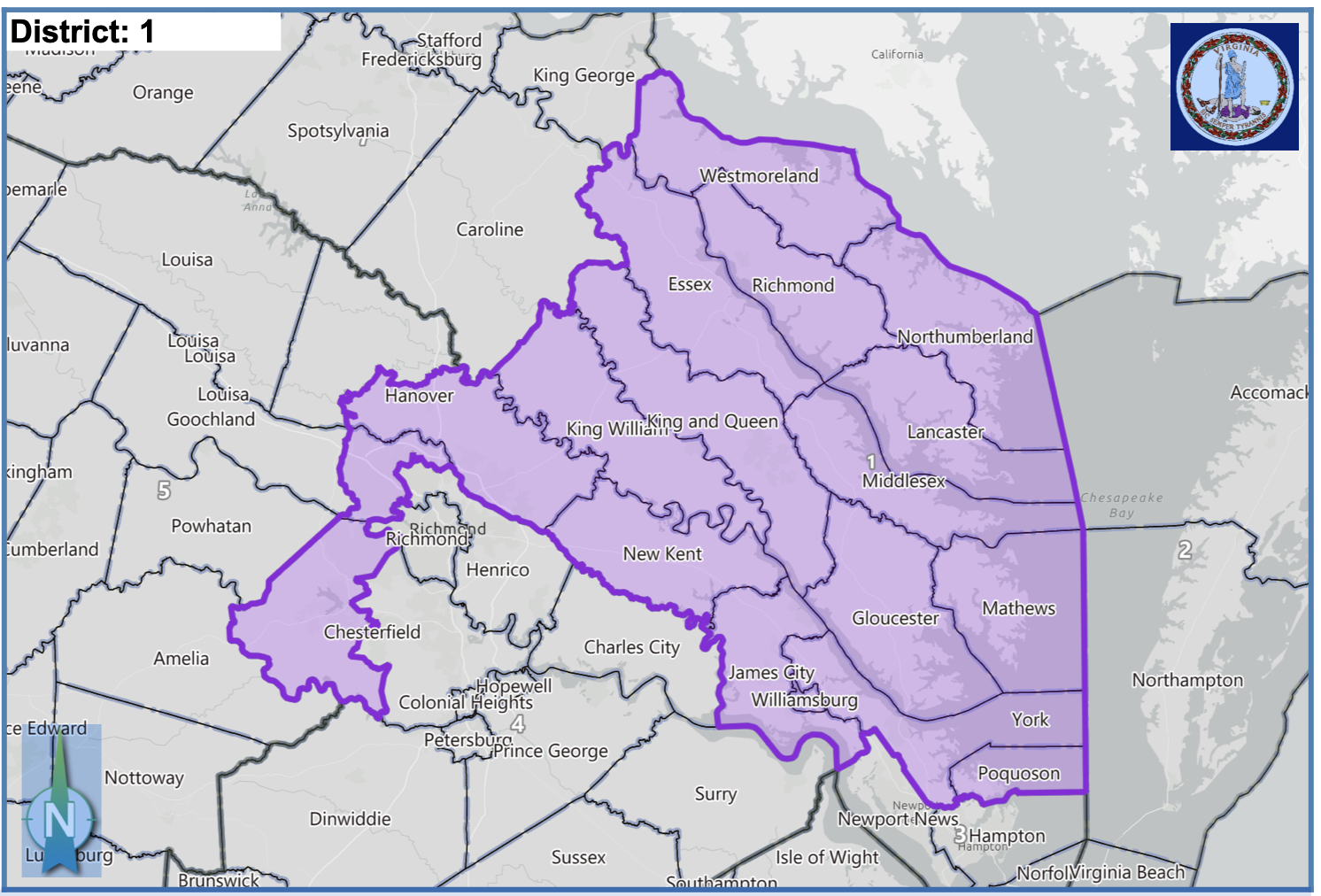
    After a grueling redistricting battle that spanned months and cost millions, the congressional district lines Virginia adopted in 2021 remain in place as Democratic contenders line up to challenge longtime Republican incumbent Robb Wittman in this fall’s race to represent the state’s 1st Congressional District.

    The 1st District stretches from Colonial Beach down the eastern coast of the state to Williamsburg, and hooks over the north side of Henrico County into part of Chesterfield.

    Over 615,000 registered voters live in the 1st District, with the largest portions of the population in Henrico, Chesterfield, Hanover, and James City counties. The majority of voters there are white, but U.S. Census Bureau data shows diverse demographics: nearly 13% of voters are Black, almost 7% identify as multiracial and 6% are Asian. About 6% of voters are Hispanic or Latino.

    Voters in the area have historically favored Republicans, with 51.6% choosing Donald Trump in the 2024 presidential election and 57.8% voting for Glenn Youngkin in 2021, helping send the GOP newcomer to the governor’s mansion.

    That tide shifted in 2025, when Abigail Spanberger was elected governor with a margin of 51% in the district. Spanberger’s victory supercharged scrutiny from up-ballot Democrats, who saw it as a sign the district could be flipped in the 2026 midterm elections.

    Virginia Congressional District 1 (Photo courtesy Supreme Court of Virginia)

    Wittman to defend seat of nearly two decades

    U.S. Rep. Rob Wittman, R-Westmoreland, has represented the 1st District in Congress since 2007. Before taking office, he served in the Virginia Department of Health’s Division of Shellfish Sanitation for 26 years, which has shaped his policies and tenure on the House Natural Resources Committee.

    Wittman was one of just a handful of House Republicans nationwide to join Democrats in voting to extend the Enhanced Premium Tax Credits through the Affordable Care Act for three years. The measure ultimately failed.

    Wittman has consistently supported H.R. 1, the One Big Beautiful Bill, which excluded the credits when passed last summer, critics have highlighted. The congressman also faced blowback from constituents last year who said he avoided in-person town halls amid sweeping federal budget cuts and layoffs.

    Promising to guard against “reckless government spending” on his website, Wittman also supports enhanced border security – including the construction of a wall bordering Mexico to staunch illegal immigration.

    Wittman constituents host town hall in his absence to address immigration, federal funding concerns

    Wittman did not respond to requests for comment on his campaign and has not completed The Virginia Mercury’s candidate questionnaire, sent to all contenders on June 1.

    Seven Democrats vie to take on Wittman

    Shannon Taylor, the frontrunner in the race to flip the 1st District to blue, is an experienced prosecutor and has spent the last 13 years as the Henrico Commonwealth’s Attorney. She was the first woman to hold the position and the first Democrat to be elected to the seat in 40 years.

    Her courtroom experience undergirds one of her key campaign priorities: managing political corruption. She also advocates for congressional stock trading to be made illegal.

    Taylor is also committed to protecting healthcare access in the wake of the sweeping changes from H.B. 1, she said.

    “More than 44,000 Virginians have lost their ACA coverage, and rural hospitals like Rappahannock General are at risk of closure,” Taylor said. “I’ll fight to lower health care costs by extending the ACA tax credits, expand Medicare’s ability to negotiate drug prices, and protect Medicaid.”

    Shannon Taylor launches bid to represent Virginia’s 1st Congressional District

    She previously ran for the office of the Attorney General but lost the primary to Jay Jones, who was elected to the seat last fall. Taylor’s campaign has raised $1,300,040, as of the latest campaign finance reporting.

    Political newcomer and lawyer Salaam Bhatti’s priorities center on expanding Medicare access, increasing taxes for the highest earners and reforming political candidates’ campaign finance process.

    The former Virginia Poverty Law Center attorney is a child of immigrants who relied on programs like WIC and free school meals while growing up. Bhatti focused his VPLC work on expanding SNAP access and at the Food Research and Action Center, worked against a farm bill addition that would have made major cuts to SNAP.

    Wittman has had more than enough time to better address issues of poverty and healthcare access in the district, Bhatti said.

    “Rob Wittman has been in office for nearly 20 years and in that time our neighbors have gotten poorer, healthcare has become more expensive, corporate donors have gotten more access, and Rob has become a multimillionaire through stock trades,” he said.

    Bhatti has raised $184,834 as of March 31 reporting.

    Tim Cywinski, another Democratic challenger, is not new to the political sphere. He spent years as a community advocate and has worked on the political side as an intern for the Obama campaign when he was 17.

    Cywinski’s brother was born with a heart defect, and the cost of his care contributed to his family’s skyrocketing medical debt and eventual loss of their home. That experience, Cywinski said, gave him personal experience with the challenges of America’s healthcare system and fuels his interest in addressing it via federal legislation.

    Wittman represents what Cywinski characterized as the political establishment, which doesn’t provide solutions for constituents’ healthcare needs, tax burdens and other priorities. His campaign is about finding ways to take big money out of politics, he said.

    “My main platform is what I call the fair shot agenda because unless you’re already powerful or unless you’re really wealthy and well connected, no one feels like they have a fair shot in this country and our politics upholds that reality,” Cywinski said.

    As of March 31, Cywinski has raised just over $8,113, the smallest campaign coffer of any candidate in the race. He lives in the greater Richmond area.

    Jason Knapp has served his country for 21 years as a naval officer and said his military background shapes his policy goals.

    A former defense fellow assigned to the Armed Services Committee and deputy director of legislative affairs for the U.S. European Command, Knapp has taken aim at the cost Virginians and Americans are paying for the Iran war, a conflict Wittman has supported.

    “Food, fuel, energy, housing, and medical costs are skyrocketing and people are literally choosing between buying food, buying medicine, or paying bills — and the man who represents this district is at worst complicit in these hardships, and at best, apathetic to the real problems people are facing,” Knapp said.

    Universal healthcare is another top priority for Knapp, who aims to counter the privatization of the Veterans Administration, which he said creates barriers for servicemembers to access essential care.

    Knapp has raised $501,287 as of March 31.

    Ericka Kopp, a healthcare attorney and a caregiver to her husband who is a disabled veteran, said Wittman’s support of the congressional bill that stripped funding for Medicaid compelled her to run to replace him.

    Kopp earned her law degree from the University of Richmond and clerked for a Virginia circuit court judge. She said she never considered running for office until her frustrations with Wittman bubbled to the surface because he did not attend several town hall meetings in her district in 2025.

    “He’s not accessible to the people, let alone accountable to us. In April of last year, I started thinking that anyone could do a better job, even me. And then I thought, ‘Why not me?’” Kopp said.

    Her campaign priorities include expanding Medicaid and healthcare access. She has raised $13,867 so far.

    Business lawyer and small law firm owner, Mel Tull believes he can help bridge the partisan divide in Congress and said his experience successfully navigating competing interests can earn the trust of other lawmakers and the people they represent.

    Like several other Democratic contenders, Tull said Wittman’s 18 years in Congress is too long a time to serve without better addressing issues like healthcare, affordability, and government functionality.

    “My job has been to evaluate competing interests, understand risks and consequences, and help people make sound decisions. I’ve spent my career bringing people together to solve difficult problems, not score political points,” Tull said.

    Tull served in the Army before branching into business law. His campaign has raised $179,991, to date.

    Elizabeth Dempsey Beggs, the final Democratic contender in the contest, was one of the first women to serve as a tank commander in a combat role in the U.S. Army. The veteran now works in the package and manufacturing industry.

    She said concerns about affordability and government transparency drove her to enter the race. Her campaign priorities also include protecting the right to vote and reproductive healthcare access.

    As a mother, foster parent, and business leader, I’ve seen firsthand how decisions made in Washington affect families every single day,” Beggs said. “Whether it’s the cost of childcare, access to healthcare, housing affordability, or the lack of accountability in government, people are working harder than ever and feeling like they have less and less to show for it.”

    Public office should be a service and not a long-standing career, Beggs added, pointing out Wittman’s tenure in the seat. So far, she has raised $64,494.

    Early voting for the primary election for the first congressional district begins on June 18. Election day is Aug. 4.

  • Kaine introduces legislation to address teacher shortage, equip new educators

    Kaine introduces legislation to address teacher shortage, equip new educators

    One of Virginia’s federal lawmakers on Wednesday introduced a bill in Congress that would establish a grant program to address the national teacher shortage and better support early-career educators.

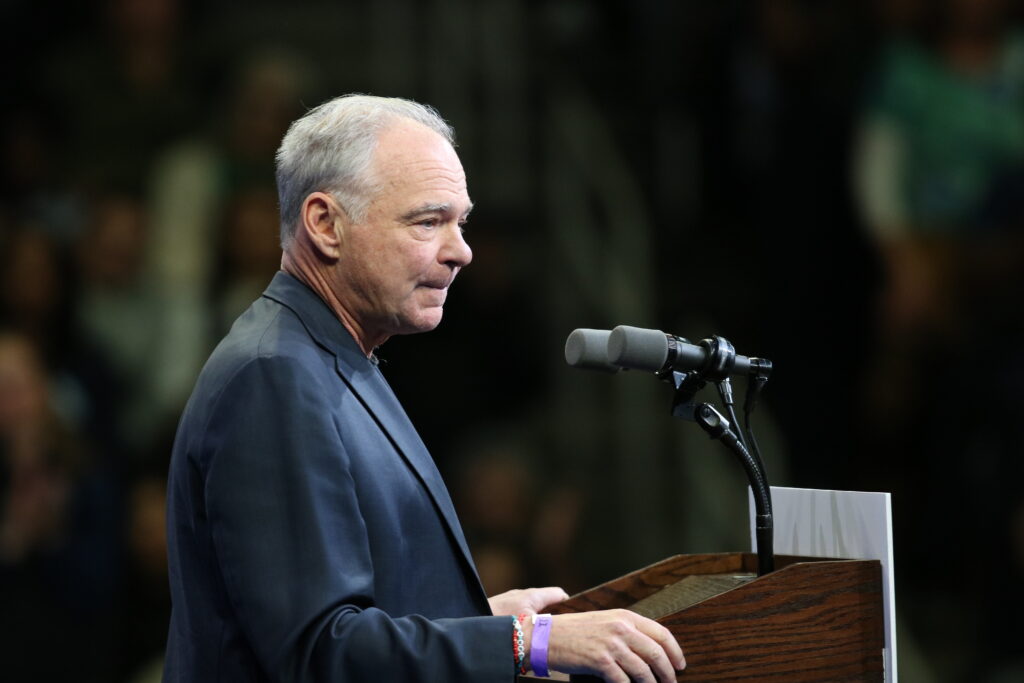
    U.S. Sen. Tim Kaine, D-Va., is leading the proposal with support from U.S. Rep. Jahana Hayes of Connecticut. Kaine told reporters on Thursday that the Better Education Through Mentoring Act would support teacher and school leader induction programs in K-12 schools.

    Kaine, who has introduced similar proposals to address teacher induction and retention in past years, said this bill is designed to reduce turnover rates.

    “It’s one solution, not the only solution, but one solution that will lead to filling up the ranks of classroom teachers,” said Kaine to reporters last week. “We have shortages virtually everywhere in the country and also a retirement bubble that’s likely to hit in the next few years that will make those shortages even more acute.”

    Teachers with the fewest years of experience have the highest turnover rate, with some moving to another school or leaving the profession, the bill reads. This can negatively impact student learning, disrupt school stability and detract from collegial relationships, collaboration and institutional knowledge.

    Schools also incur high costs to replace teachers who leave.

    Research cited in the bill text shows that comprehensive two-year mentoring and induction programs improve outcomes for educators and students, and boost teacher effectiveness, student achievement and retention.

    Students of color and those in rural areas are also likely to be taught by inexperienced teachers,the proposal highlighted, further illuminating why targeted mentoring and induction support are needed.

    Virginia’s legislature has appropriated millions in state funds to support such students, specifically in math and reading, due to low test scores.

    The proposed measure also pointed to research showing rural schools face unique barriers, including limited access to qualified mentors and greater professional isolation. Studies show induction programs for school leaders improve teacher retention and student outcomes, particularly in disadvantaged schools.

    If enacted, the proposal will promote mentorship, pairing early-career teachers with experienced mentors to help them become effective quickly. It will also include new support for teachers early in their careers and will offer new and expanded induction programs.

    “It’s both an educational effectiveness program, but also a teacher retention program,” Kaine said.

    The program will require funding, to help offset the cost of mentors’ time spent assisting other teachers. The proposal did not include an estimated amount.

    The funding will first go to the committee level for consideration before being put to a vote for approval.

  • Spanberger names dozens of new appointees to Virginia college boards

    Spanberger names dozens of new appointees to Virginia college boards

    Governor Abigail Spanberger appointed 32 new members to governing boards at Virginia’s colleges and universities, continuing her effort to reshape higher education leadership across the commonwealth.

    On Friday evening, Spanberger announced 52 appointments, including 20 reappointments. The move furthers her efforts to remake university leadership amid concerns about the politicization of public college boards.

    “I am proud to appoint this talented group of individuals to serve on our higher education boards,” said Spanberger in a statement.

    “I have full confidence that their leadership will strengthen our world class institutions while upholding the values that make our commonwealth’s colleges and universities the envy of the world. I look forward to their service as they advance opportunities for every student who walks onto our campuses.”

    Among the new appointees are several well-known education figures, including James Dyke, former secretary of education; Cristin Grigos, senior vice president at the Association of Governing Boards of Universities and Colleges; and Ann Cherry, longtime Hampton school board member.

    Other appointments, while not education experts, are widely recognized. They include former lawmaker Jeff Bourne; longtime NBA official Tony Brothers; Victor Branch, a regional bank executive; and Angela Reddix, founder and president of a healthcare company.

    The appointments come shortly after Spanberger removed John Rocovich from Virginia Tech’s Board of Visitors after 16 years of service for what she described as “misconduct.” Spanberger’s letter did not specify the details of the alleged violations, stating only that the findings provided “sufficient cause” for his removal.

    The General Assembly is responsible for confirming all appointments, which typically occurs during the legislature’s regular session at the start of each year.

  • Judge weighs future of Confederate-linked school names in Shenandoah County

    Judge weighs future of Confederate-linked school names in Shenandoah County

    Shenandoah County is awaiting a closely watched court decision over whether the names of Confederate figures should remain on several school buildings, a dispute that has reignited debate over history, race and educational equity in Virginia schools.

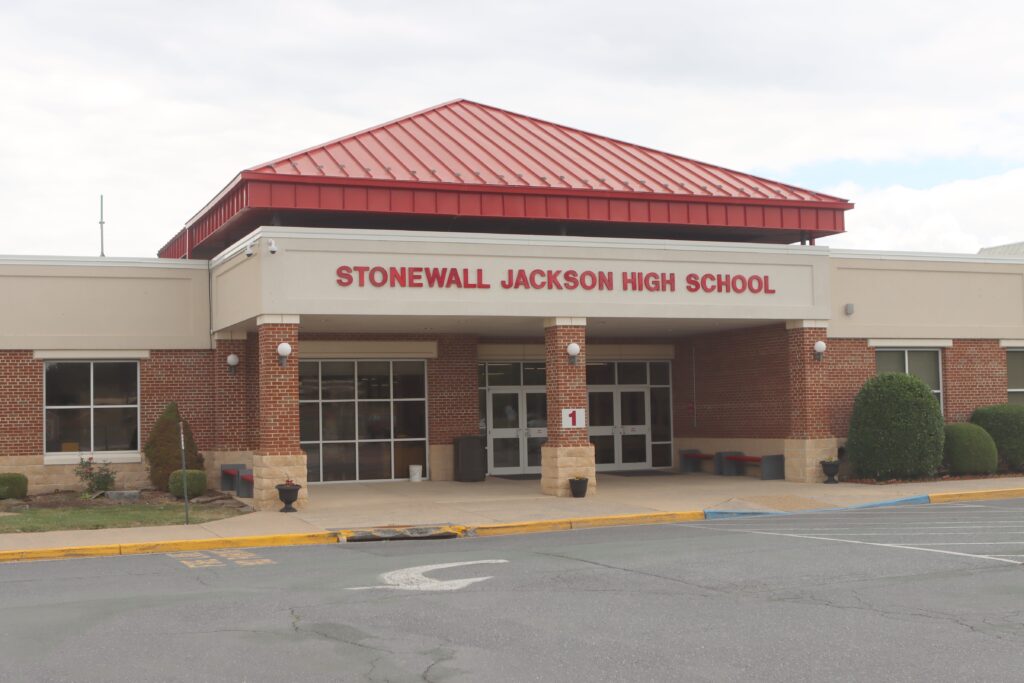
    Some residents view honoring Confederate generals, including Turner Ashby, Robert E. Lee, and Thomas “Stonewall” Jackson, as an important part of local heritage and history. Others see them as symbols of slavery and racism that deepen racial tensions.

    At the center of the case is whether the Shenandoah County School Board’s decision to restore the Confederate names violates federal law and undermines efforts to provide equal educational opportunities in Virginia.

    “I think the central theme that really kind of reverberates through this case is the overall educational equity,” said Marja Plater, senior counsel at the Washington Lawyers Committee for Civil Rights and Urban Affairs, representing the NAACP Virginia State Conference and five students.

    “Having students who are subjected to the harmful impacts of having to attend school aimed at Confederate generals, and the entire culture that it establishes, is not what we want students to be subjected to now, and it really hinders achieving educational equity.”

    Plater said she believes the U.S. is still working toward fully fully achieving the goals of the Supreme Court case Brown v. Board of Education, which sought to ensure equal education for students regardless of race.

    Because of that focus on equal educational opportunity, Plater said the names schools carry a— including those honoring Confederate generals — matter because they can affect fairness and equal treatment in education.

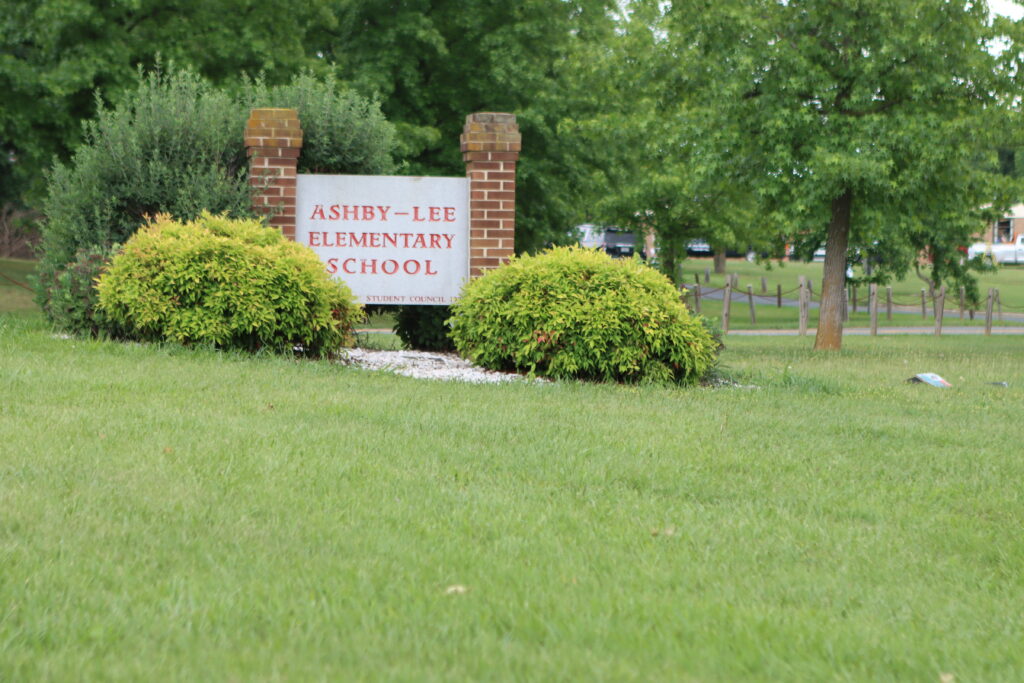
    A view from outside Ashby-Lee Elementary School in Shenandoah County. (Nathaniel Cline/Virginia Mercury)

    After the Shenandoah County School Board voted in May 2024 to restore the name, the NAACP state conference and several students filed a lawsuit the following month challenging the decision, including the restoration of the name Stonewall Jackson High School.

    The lawsuit alleges the board violated students’ First Amendment rights by forcing them to endorse a viewpoint they disagree with through the promotion of Confederate figures.

    Last September, U.S. District Court Judge Michael F. Urbanski sided with the students, writing that the board violated students’ First Amendment rights and that Jackson’s name “is expressive as a symbol of racial exclusion in public schools.”

    Both sides presented final arguments on March 31, and the court is now considering its ruling.

    Asked whether the case should be viewed through the lens of educational equity, Jim Guynn, an attorney representing the school board, said no evidence of inequity was presented during the trial and that the plaintiffs are thriving academically and socially while serving as leaders among their peers.

    Looking ahead, Guynn said an adverse ruling could set a precedent for challenges to school names beyond those tied to the Confederacy.

    In the board’s view, such challenges could eventually expand to a broad range of historical figures and institutions.

    “At some point, we have to stop focusing on the negative and start assessing historical figures in their time and not by our current standards,” Guynn said. “I might add that I hope not to be judged by the standards in place 50 or 100 years from now. We can’t predict what those standards will be.”

    Potential consequences

    It remains unclear what the remedies the court would impose after finding that the Shenandoah County School Board violated students’ rights, but the consequences could be significant, potentially including federal investigations, loss of federal funding and federal oversight.

    The board is also awaiting a decision on whether it illegally discriminated against students based on race through Title VI of the Civil Rights Act of 1964, which bars discrimination in federally funded programs, and the Equal Educational Opportunity Act, which requires equal access to education regardless of race, color, sex or national origin.

    Guynn said the board is concerned that an adverse ruling could mean “a school board acting with the overwhelming support of the public could never name a school after a person if some students claim that the name is discriminatory.”

    A view outside the U.S. Courthouse in Virginia’s Western District. (Nathaniel Cline/Virginia Mercury)

    “Names are not discriminatory, especially when the facts in the case show that there has been no discrimination against any students,” he added.

    As the court weighs its decision, Urbanski has not yet ruled on the NAACP’s and students’ request to remove Confederate names, mascots, and other vestiges before the 2026-2027 school year. They also asked the court to bar the school board from using Confederate leaders’ names or references in future naming decisions.

    If the court orders the names changed, the ruling would further spotlight the community’s long-running divide over Confederate recognition, symbolizing a deeper conflict between heritage and educational equity.

    Public support for restoring the names helped reshape the school board. Only three current members served on the board before the reinstatement vote, and all three voted to restore the names.

    “The name of the school is important to county residents because Stonewall Jackson was an important figure in the history of the county and because it is the name of the high school that many residents attended and graduated from, and it has a sentimental place in their hearts,” Guynn said.

    Trust at the center of the case

    Trust emerged as a central theme for both the students challenging the names and the 2024 school board that restored them.

    The 2020 school board, which initially removed the Confederate names, argued its decision was intended to condemn racism and begin a renaming process. The 2024 school board argued restoring the names was necessary to “restore the public’s trust” after the earlier board’s actions.

    “This was not an innocent mistake by some inexperienced school board. No, this was carefully choreographed machinations of a school board colluding to ignore the people they represented,” Board member Gloria Carlineo said during a 2024 meeting. “This is what political indoctrination in our schools looks like.”

    Other board members described the 2020 name changes as a “slap in the face” to residents near the southern campus, where the three schools are located, saying they felt their heritage was being erased.

    On the plaintiffs’ side, one student testified that she no longer knows which adults at the school she can trust because many staff members wear clothing bearing the Stonewall Jackson name.

    Other students testified that the Confederate names made their academic experience more difficult and left them feeling “closed off” from classmates after the names were restored, fearing some peers might support segregation or not want them at the school.

    Final Ruling

    It is unclear when Urbanski will issue a final ruling. Court records show the parties met with the judge shortly after the March 31 hearing concluded.

    Urbanski previously announced he would take senior status beginning July 4, 2024, allowing him to remain a federal judge while potentially carrying a reduced caseload. His successor, Jasmine H. Yoon, was nominated and confirmed before the transition.

    The outcome of this case will not only affect Shenandoah County and the names of its schools, but also broader debates about history, equity, and trust in public education.

  • Virginia schools push for local tax option as aging buildings strain rural divisions

    Virginia schools push for local tax option as aging buildings strain rural divisions

    Every time storms threaten the Tidewater region, Superintendent David Daniel worries the next round of severe weather could cripple Mathews County Public Schools’ aging environmental system, forcing classroom closures and creating safety risks for students.

    In one case, the storm did just that. Moisture overwhelmed the elementary school’s heating, ventilation and cooling system, causing water to collect on the floors and forcing staff to close the school for three days because of safety concerns. Daniel said the infrastructure is decades behind where it needs to be.

    Now, Mathews and other localities hope to change that if lawmakers and the governor approve changes to state law that would allow all localities to generate tax revenue for school construction projects, which have historically been costly for jurisdictions.

    If approved, voters in each locality decide through a referendum whether to adopt an additional local sales tax to fund school construction and maintenance.

    “I think having appropriate facilities and funding for public education is critical,” Daniel said. “Localities can’t do it alone, especially as small rural localities aren’t able to equitably prepare their students to compete in a statewide or a global economy without the help of Richmond.”

    The legislative process

    As a Dillon’s Rule state, Virginia only allows local governments to exercise powers granted by the legislature. Localities can adjust property tax rates but need General Assembly approval to change sales taxes.

    Currently, only nine localities — including the city of Danville and the counties of Charlotte, Gloucester, Halifax, Henry, Mecklenburg, Northampton, Patrick and Pittsylvania — can levy a 1% sales tax for school projects. Efforts to expand the authority to other areas, such as Newport News and Prince Edward County, have failed.

    Former Gov. Glenn Youngkin vetoed similar bills in previous years, citing concerns about adding to Virginians’ tax burden. He also noted that lawmakers and his administration had already appropriated millions of dollars for school construction.

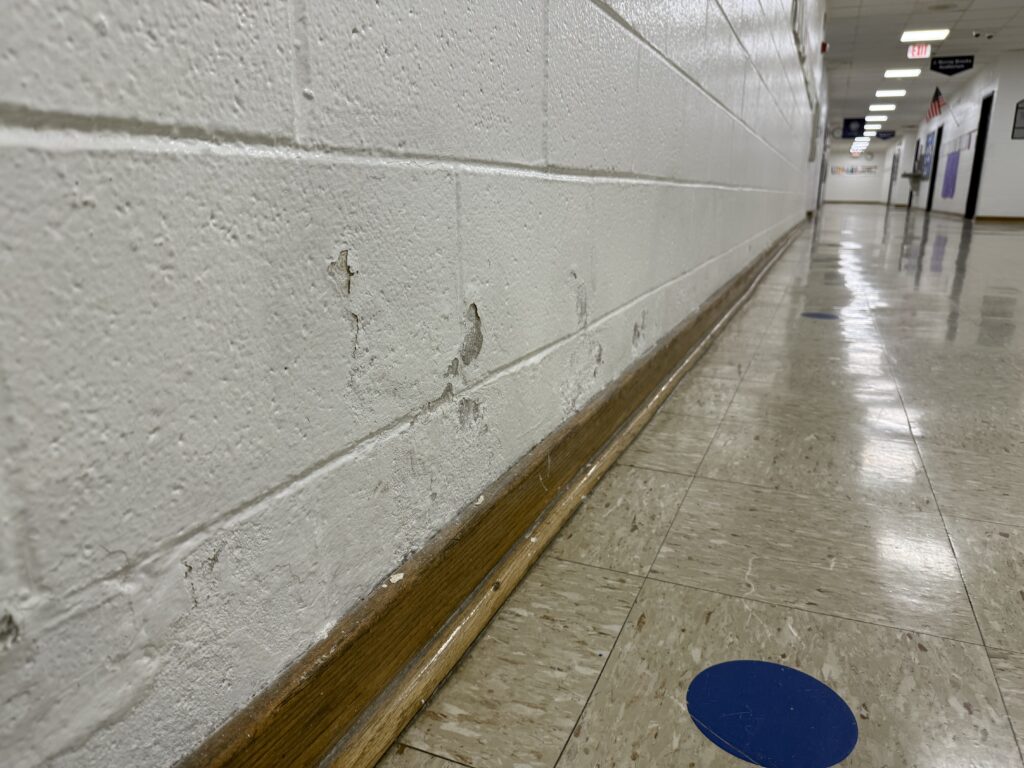
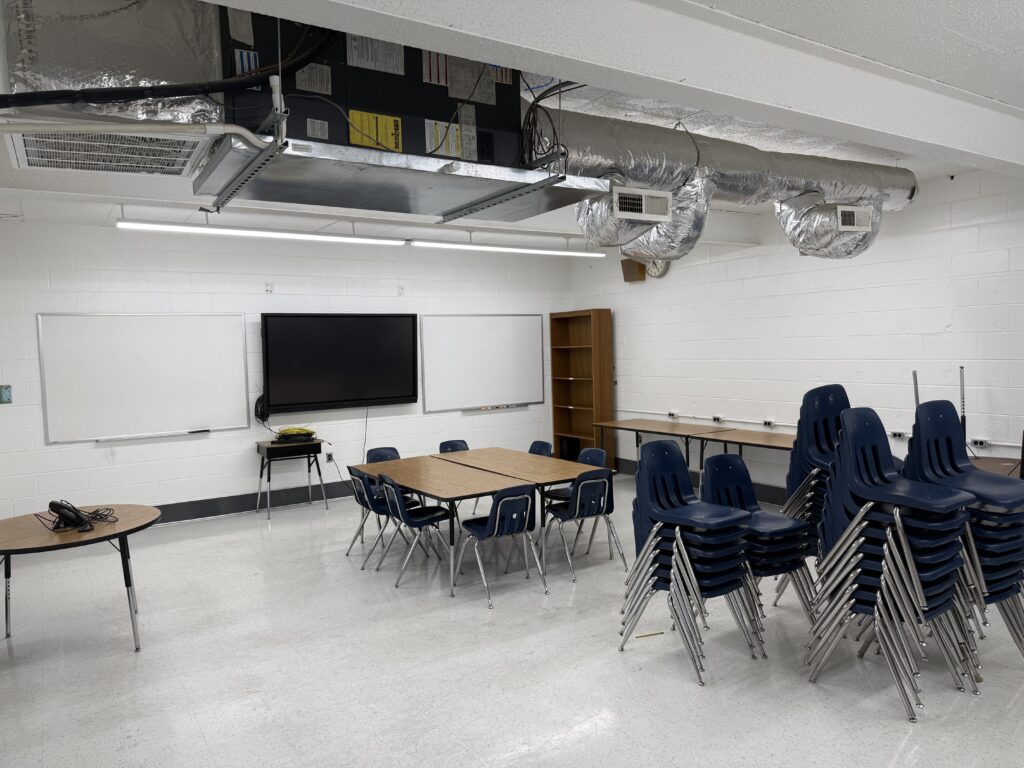
    A view of the conditions from inside one of the schools in Mathews County. (Courtesy of Mathews County Public Schools)

    A 2021 Virginia Department of Education survey found that more than half of the state’s schools are over 50 years old, with replacement costs into the billions.

    Keith Perrigan, president of the Coalition for Small and Rural Schools, hosted federal, state, and local leaders for a “Crumbling Schools Tour” five years ago that highlighted schools in need of updates or replacement.

    “Obviously, there’s a lot of work to be done, and based on our information with the Coalition of Small and Rural Schools, a large percentage of those schools that need improvements are in rural areas,” Perrigan said in a recent interview.

    “To have the opportunity to generate the revenue that it would take to improve those facilities and have taxpayers make that decision themselves is certainly, we think, a win-win for not only the commonwealth, but especially for rural schools in the commonwealth.”

    Summer school, maintenance time

    As schools prepare for summer break, some divisions are balancing maintenance projects with getting facilities ready for summer instruction.

    Henrico County Public Schools is preparing 16 sites for summer school while continuing to address persistent air conditioning and heating issues.

    “With summer academy season upon us, ensuring the comfort, well-being and ability of students and staff to fully engage in teaching and learning remains a top priority,” Mike Dunavant, a spokesperson for Henrico Schools, said in a statement, adding that “those sites will be prioritized for repair if any arise.”

    In Mathews County, Daniel said the school system will not offer summer school this year — a program that provides academic support and credit recovery — because of costs associated with buses, bus drivers, cafeteria workers and teachers, which total about $650,000.

    Instead, the division will use the summer for critical infrastructure and safety upgrades, including electrical work, HVAC improvements, lighting, boilers, and light poles.

    The middle school will also merge with the elementary and high school due to low enrollment and high repair costs.

    The tax benefits

    Last summer, Gloucester completed a $65 million renovation on its high school, likely aided by revenue from the 1% school construction tax.

    The project included roof upgrades, all-new HVAC systems and ductwork, and modernization of electrical, plumbing and stormwater systems.

    The school also added a new 1,250 kW generator to support critical operations during power outages.

    Safety and security improvements included new doors and windows, an upgraded fire sprinkler system and alarm network, and a redesigned secure main entrance vestibule.

    “The one percent has allowed us to repair an aging high school,” Gloucester County Supervisor Ashley Chriscoe said in a statement. “The excess revenue from the one percent has allowed us to add some additional projects with the excess revenue, to tackle some other qualifying projects. It has been an amazing asset.”

    Compared with neighboring Mathews County, Gloucester has substantially larger revenue-generating capacity because of its broader business sector and more diversified commercial tax base.

    Mathews, on the other hand, relies heavily on revenue from high-value waterfront property and loses residents — and shopping dollars — to neighboring localities, where they pay the one-cent sales tax on purchases made outside the county.

    “Whether that’s through the annual operations support that we get through the local composite index, the state can’t leave all of that burden on the locality because localities don’t have the same economic leverage to provide the same experiences for their kids,” Daniel said.

    “We talk about equity an awful lot, but it shouldn’t matter what your zip code is to determine whether or not you have access to all of the opportunities that kids in other zip codes would have.”

    Time crunch

    To place the referendum on the November ballot, lawmakers will have to adopt the language by June 29 so it can be properly advertised. State law requires referendums to be ordered at least 81 days before the election.

    The House is scheduled to meet again on June 18, followed by the Senate on June 22. The state also faces a July 1 deadline before government operations could shut down.

  • Virginia Tech rector refuses to resign after Spanberger’s dismissal

    Virginia Tech rector refuses to resign after Spanberger’s dismissal

    Virginia Tech governing board member John Rocovich has refused to resign after Gov. Abigail Spanberger removed him last week after 16 years.

    Rocovich stated in a four-page letter addressed to the Secretary of the Commonwealth that he will not resign before his term ends on June 30, 2027. There was no sign of him at the board’s committee meetings on Monday in Blacksburg.

    Spanberger’s decision is the latest effort by her administration to shake up governing boards at Virginia’s colleges and universities, amid concerns within the higher education community about the politicization of public university governing bodies. She recently appointed four new members to Tech’s governing board.

    Governor fires Virginia Tech Rector Rocovich, appoints Dominion Energy’s Edward Baine as replacement

    Spanberger removed Rocovich, citing “misconduct” in a letter sent last Wednesday, but the letter did not specify the details of Rocovich’s alleged violations, only stating that the findings provided “sufficient cause” for his removal. Rocovich pushed back on that claim.

    “I was appointed to serve a term, I have served that term faithfully, and I intend to fulfill my obligations to the students, faculty, and people of Virginia who depend upon the proper governance of this great university,” Rocovich wrote. “Governor Spanberger’s letter failed to state my specific cause, as the law requires. I am confident she will find no such grounds.”

    Board member William Holtzman, who was appointed by former Gov. Glenn Youngkin and will complete his term next year, said he was “disappointed” with the governor’s decision.

    “I think all of us were disappointed because I think it’s a unanimous feeling of our group that he has done a phenomenal job, and I didn’t understand at all why she removed him, and I don’t think there was any cause for it,” Holzman said.

    Lawmakers have also urged the governor to explicitly state her reasons for the termination.

    Senate Republican Caucus Chair Mark Obenshain, R-Harrisonburg, said Rocovich deserves “fairness,” and emphasized that transparency is “not optional” concerning the governor’s decision to boot Rocovich from the board.

    “What makes this decision especially disappointing is that Governor Spanberger campaigned on a promise to depoliticize higher education governance and to reduce executive involvement in the affairs of Virginia’s universities,” Obenshain said in a statement on Friday. “Removing the sitting rector of Virginia Tech without publicly stating a lawful basis appears inconsistent with those commitments.”

    Edward Baine, executive vice president of utility operations and president of Dominion Energy Virginia, who was appointed to replace Rocovich, attended the first committee meeting on Monday.

    He did not comment on his appointment on Monday morning, but asked Provost Julie Ross about the university’s efforts to address enrollment, which the board expressed interest in growing.

    Rocovich’s dismissal followed the board’s vote to grant an exception allowing him to serve a third one-year term as rector during the search for Virginia Tech’s next president, following Tim Sands’s departure in April, Cardinal News reported last month.

    The board minutes noted that Rocovich was elected rector because no other nominees were available and he was willing to serve.

    A native of Roanoke and a Virginia Tech graduate, Rocovich founded a law firm and specializes in taxation as well as trusts and estates law. He served on the board of visitors from 1997 to 2005, was appointed for a term from 2010 to 2014, and was rector from 2002 to 2004.

    According to the Virginia Public Access Project, Rocovich has donated to several Republican campaigns and candidates, including formerRepublican gubernatorial nominee and Spanberger rival Winsome Earle-Sears.

    In his letter, Rocovich criticized the termination and the governor, expressing his “disappointment” with her use of a “subordinate“ to deliver the message, which he said was the opposite of the respect he showed Spanberger by calling her directly to discuss the board.

    “Virginia Tech deserves better than to be made a political football,” Rocovich wrote. “I have given too much of my life to this institution to stand by silently while its independence is threatened—regardless of which party holds the governor’s office.”

    The governor and attorney general’s offices did not immediately respond for comment on whether they will enforce the termination.

    The board’s committee meetings continued on Monday. The board will have a full meeting on Tuesday. The body will vote on a new rector and vice rector to replace Rocovich and Sandy Davis, who died on March 17.

  • Virginia budget impasse threatens school funding, poses potential staffing challenges

    Virginia budget impasse threatens school funding, poses potential staffing challenges

    Virginia’s education leaders say they are optimistic about the proposed K-12 funding in the state budget, but their outlook is tempered by uncertainty as state leaders and the governor have yet to reach an agreement on a new two-year spending plan.

    Passing a new budget as quickly as possible is crucial for education leaders and localities because it guides their priorities including funding programs, facility projects, and, most importantly, staffing during a nationwide educator shortage.

    School boards are feeling the pressure as they collaborate with local officials and administrators to prepare for the upcoming school year.

    “Budget certainty is critical for school boards and school divisions,” Gina Patterson, executive director of the Virginia School Board Association, representing the largest group of board members in the commonwealth, said in a statement to the Mercury.

    “At this time, our hope is simply that state leaders can come to a resolution on the budget in a timely manner so divisions across the commonwealth can move forward with greater clarity and stability.”

    The main issue delaying an agreement among lawmakers is how to handle revenue from one of the most successful industries — data centers.

    The Senate passed a budget that would end data centers’ sales and use tax exemption and redirect an estimated $1.6 billion annually towards other areas, including education and transportation.

    The House budget, however, would maintain the exemption, which is set to end in 2035. Gov. Abigail Spanberger aligns with the House budget and preservation of data centers’ tax break.

    Meanwhile, the cost of living for Virginians has risen since the budgets were proposed, largely due to factors such as the start of a U.S. war with Iran, which has increased costs for food and gasoline. The state is also facing a July 1 deadline before government operations could shut down.

    Neither chair of the House or Senate appropriations committees responded to the Mercury’s requests for comment on the status of budget negotiations.

    Education carveouts in the budget

    The packages proposed by both chambers include line items to support students, schools and employees. But they differ in how to do so.

    In the House, lawmakers proposed a flat $1,500 one-time payment for eligible school employees in 2026, instead of a small percentage bonus. In addition, eligible employees would also receive a total 4% raise, with 2% increases in both 2027 and 2028.

    The Senate proposal differs from the House plan by providing eligible employees with a roughly 6% raise over the next two years and increasing funding for teaching scholarships and residency programs.

    Another area of interest for localities is financial assistance for school construction, which can be costly, especially in areas with a local composite index (LCI) that determines what each locality can pay for its schools.

    If the language in the Senate budget is approved by the governor, the state would allow localities to approve, by vote, up to a 1% local sales tax to pay for school construction costs, a central factor in an ongoing debate about aging school buildings.

    “It’s an important mechanism for addressing our school construction needs in the state, which really, the quality of our infrastructure, despite recent investments by the General Assembly, has been in continual decline,” Chad Stewart, director of government relations and research with the Virginia Education Association, said.

    In special education, the House recommended an additional $1.7 billion over the previous biennium’s budget to support students with disabilities and those at risk. The funds would also help families access affordable early childhood education and promote stability for students, teachers and the K-12 system.

    As part of the proposed investment, the House is dedicating $400 million in one-time use for school divisions to provide fiscal stability and meet local needs by funding school renovation, addressing teacher recruitment challenges, or continuing tutoring programs, including some created under a statewide initiative launched by former Gov. Glenn Youngkin’s administration.

    The Senate recommended an additional $60 million to improve school operations and infrastructure.

    Stewart said lawmakers have work to do to address the different ideas in both budgets.

    “Virginia really needs an education budget that meets the moment and one that’s actually responding to our educator shortages, our staff vacancies, and the serious student learning challenges that schools have faced over the last six years.

    Other investment recommendations made by the House include a $160 million increase in funding for students with disabilities. Compared to the House proposal, the Senate is recommending $118.7 million more for at-risk students, $12.8 million more in each of the next two years for special education services.

    The House committee also recommended $163 million to create 11,591 additional early childhood slots to clear child care waitlists. Moreover, this investment is intended to ensure all families with incomes below 85% of the state’s median income can access affordable child care.

    The House budget also provides funds to support employer partnerships to share child care costs.

    The Senate proposed $50 million for a pilot program that would partner with businesses to expand early childhood care.

    To support its commitment to high-quality education, the House is recommending dedicating $437.8 million to rebenchmarking and other technical updates.

    Finally, the Senate budgeted $17.6 million to provide free school breakfasts and $1.3 million to review and possibly redesign the state’s school funding system.

    Sarah Calveric, board president for the Virginia Association of School Superintendents, said the urgency of the matter “cannot be overstated” as lawmakers continue to deliberate.

    “I believe the state budget doesn’t just serve as a financial document, it really is a foundation or a roadmap for educational planning, and of course, staffing,” Calveric said.

    Delayed budget highlights existing challenges

    If state leaders don’t finalize the budget by July 1, school leaders say there will be insufficient funding for special education, at-risk students, educator compensation and student services.

    Even with the proposed raises and school funding, some education leaders said they’re unable to keep pace with inflation, rising costs, and broader economic uncertainty.

    And without knowing how much they will have to work with over the next two years, hiring and retaining employees is harder for school districts. Some divisions have been able to address the matter with financial support from their localities, but others in tighter, financially strapped jurisdictions are not able to follow suit.

    Depending on when the budget is settled, leaders said multi-layered processes between local school boards and government leaders are likely to delay approving budgets, hiring or allocating staff and starting or revising programs, among other things.

    The pressure to maintain services increases as expiring grant funds may lead to program cuts, and school construction and infrastructure backlogs limit the ability to address local needs.

    Lawmakers to reconvene

    The House is scheduled to meet June 18 and the Senate on June 22. Both bodies will be armed with an updated budget forecast, ordered by Spanberger in May. The budget must be finalized by June 30 or the state government will lapse into a shutdown. Educators are watching the clock as they anticipate students’ return to school in the late summer.

    “I think the timing is critical. I appreciate the thought that the General Assembly is putting into the process, but we are very eager and anxious to receive the green light to proceed,” Calveric said.

    “This is a critical aspect to being in a state of preparedness and readiness for the 26–27 school year, and so we’re looking forward to hopefully receiving some positive outcomes in the very near future.”