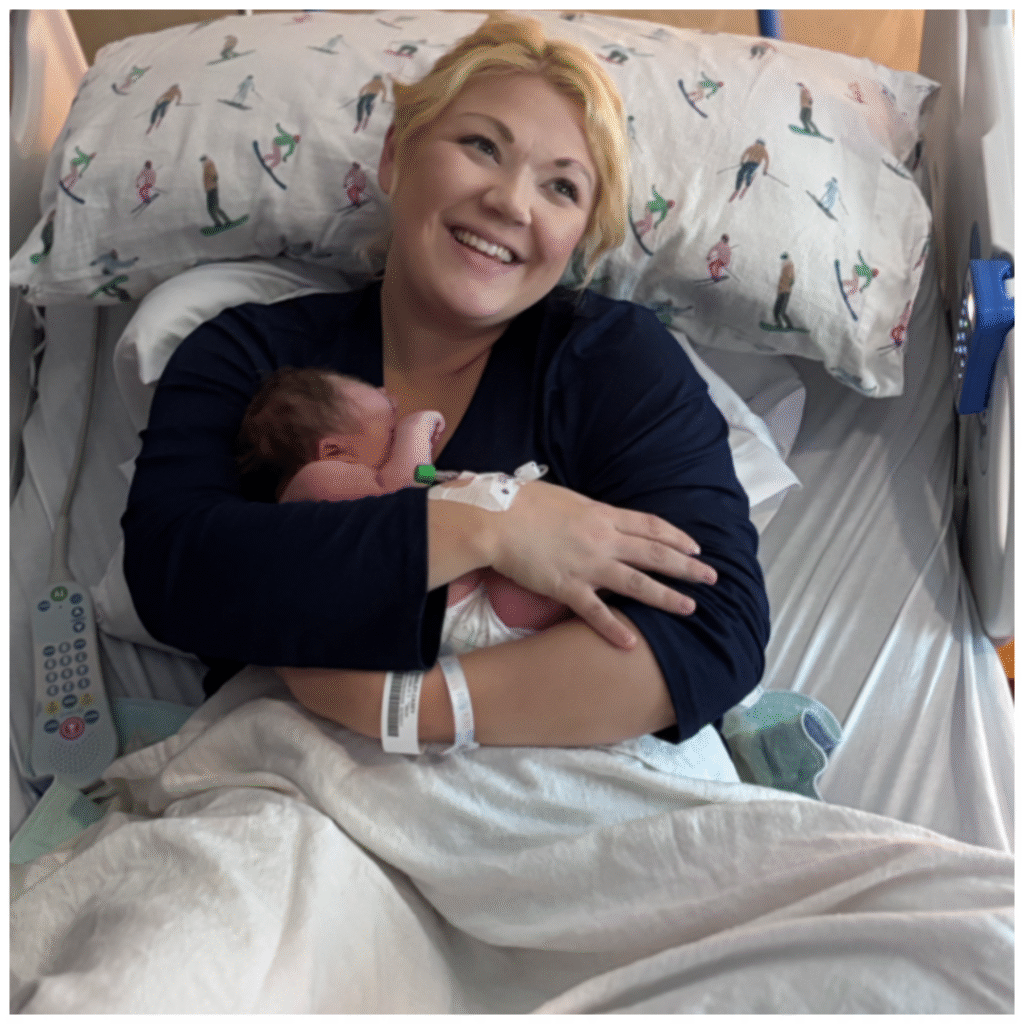
Casey Oakley, who needed an abortion after an unsuccessful IVF embryo transfer. She and her husband have two biological children and she has been a surrogate mom for two families. The couple has also foster parented four girls. (Photo courtesy Casey Oakey)
Editor’s note: This story mentions pregnancy loss.
Miscarriages were common for Albemarle County resident Casey Oakley during her in vitro fertilization process. Some embryo transfers weren’t successful and her body would expel the remnants, a process she had always handled safely at home, until an irregular delay.
Her bloodwork had indicated her pregnancy hormones were not elevating properly, signaling an imminent miscarriage. But two weeks later nothing had happened.
“(Doctors) didn’t know where the embryo had implanted in my body, so I was scheduled for an abortion, and I was told before my surgery that if they couldn’t find products of conception in my uterus, that they were going to be taking my tubes,” she said.
The fallback option was meant to spare her the deadly infections that can arise when miscarriages fail to complete.
“It wasn’t a question that they asked, it was more of a ‘this is what we have to do to make sure that you live,’” Oakley said.
Doctors eventually discovered that her body had maintained a gestational sac but no fetal DNA.
“My body had fought so hard for a pregnancy that would have no baby and then I was going into sepsis,” she said. “The abortion saved my life.”
Her experience is foundational to her support for a pending constitutional amendment heading to Virginia voters statewide in November.
If approved, it will permanently embed reproductive rights into Virginia’s constitution.
The amendment would protect people’s access to contraception, IVF and abortion, four years after the Supreme Court overturned federal protections for abortion and more states have restricted access to the procedure and birth control.
Virginia remains the least restrictive Southern state for reproductive healthcare in the era after Dobbs v. Jackson Women’s Health Organization, the abortion protection case that justice struck down in 2022.
State lawmakers weigh in
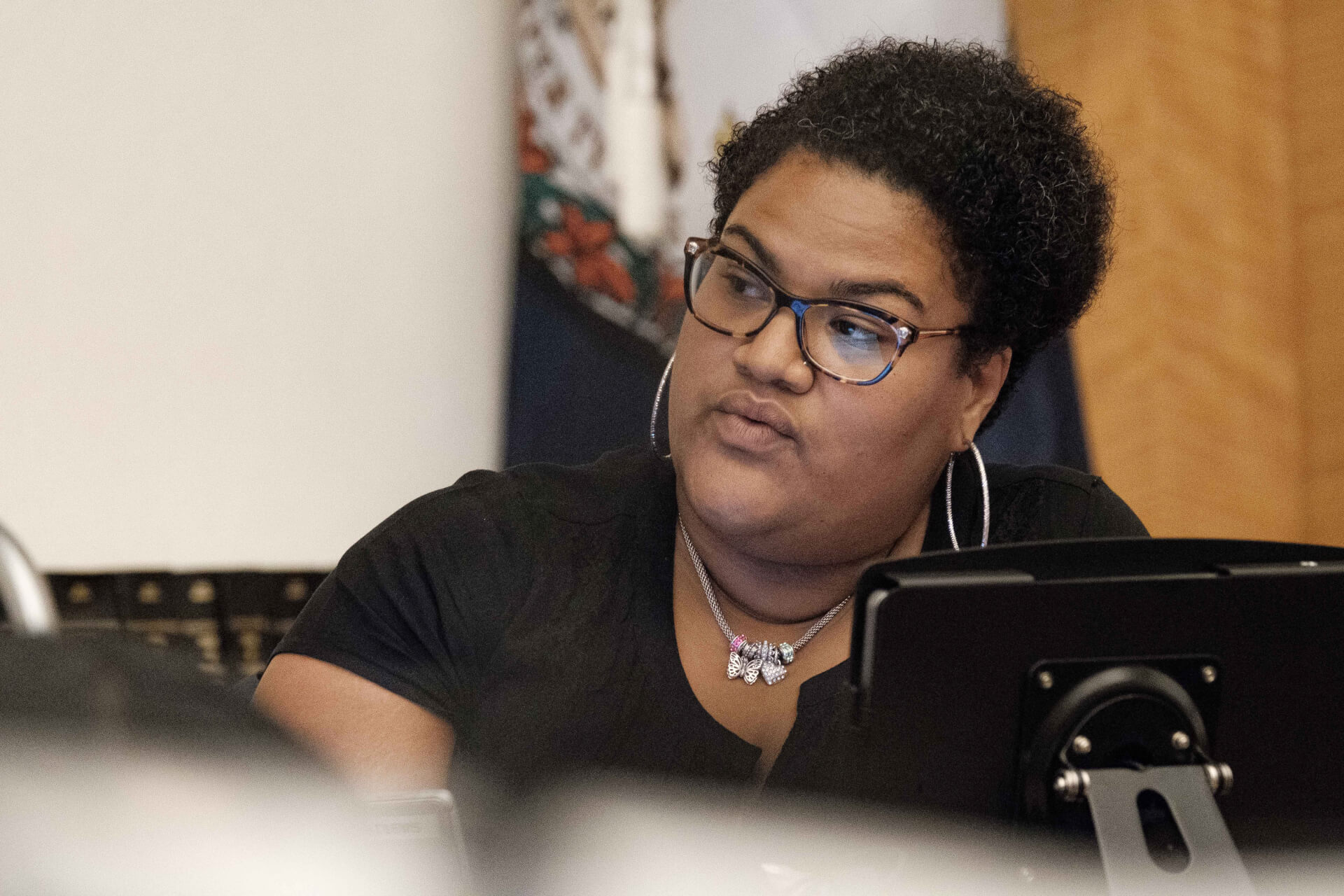
Del. Cia Price, D-Newport News. (Ned Oliver/Virginia Mercury)
Del. Cia Price, D-Newport News, was diagnosed with polyendocrine metabolic ovarian syndrome at 16 years old. She recalled debilitating cramps that made it hard for her to focus in school and days she could not get out of bed.
Formerly known as polycystic ovarian syndrome, PMOS is a full body disorder that affects people’s metabolism and reproductive organs. It can also cause infertility. Contraception has long been a standard treatment for the disorder to improve quality of life.
Though Price doesn’t need contraception for family planning as she is in a same-sex relationship and does not want biological children, the treatment lessens her PMOS symptoms.
She said her and others’ access to the medication could be at risk.
After Dobbs, Justice Clarence Thomas suggested the court revisit cases that have protected contraception, as well.
Gov. Abigail Spanberger signed Price’s Right To Contraception Act into law this summer, after the bill was vetoed multiple times by former Gov. Glenn Youngkin.
It will protect contraception access in the interim, though the pending reproductive rights amendment would shore matters up longterm.
Price said she understands some of her constituents’ and legislative colleagues’ reasons for not supporting contraception or abortion — from religious objections to debates over life-at-conception. But she underscored the healthcare utility of each.
“It’s just really disheartening for your quality of life to be at the intersection of an argument,” she said.
“This is a difficult topic for a lot of people,” Sen. Emily Jordan, R-Suffolk, said during a floor speech earlier this year amid debate over the amendment.
Jordan was among the Virginia Republicans who unsuccessfully sought to alter the amendment to reinforce existing state code outlining restrictions for minors and outlining care for infants when they are born.
The amendment advanced due to Democrats’ majority in the Virginia statehouse. Now, it’s in voters’ hands.
Price believes her contraception bill and the amendment “takes the conversation out of the political sphere and puts it in the medical sphere and the personal decision sphere.”
The medical cost
Dr. Kimi Chernoby, an emergency medicine doctor and lawyer, noted that emergency abortion care can happen at all stages of pregnancy if things go awry with the fetus or parent.
She added that many first trimester abortions stem from miscarriages or ectopic pregnancies, and that restrictive state laws increase margins for death.
“These laws are written by lawyers who have no medical training,” she said. “They actually prohibit a lot of care around miscarriages and ectopics, unless they fall within certain exceptions, and so that’s the care that is getting tangled up.”
As chief operating officer for a nonprofit called FemInEM, Chernoby organizes training around the country for emergency physicians to handle reproductive health emergencies.
The national patchwork of bans and restrictions with scant exceptions has complicated her and other physicians’ work, she said.
Legal challenges to mifepristone further muddle matters, as the abortion pill is also critical for managing miscarriages to prevent sepsis. FemInEM has submitted amicus briefs as a key court case that could affect abortions and miscarriage care nationwide unfolds.
Ahead of the fall referendum and pending court rulings, Oakley reflected on how an abortion allowed her to become a mother, surrogate and foster parent many times over.
“I was able to further the lives of my children and four other little girls,” she said. “There will be many other children to come into our lives afterwards.”
By Nathaniel Cline, Shannon Heckt, Charlotte Rene Woods, Samantha Willis Virginia Mercury
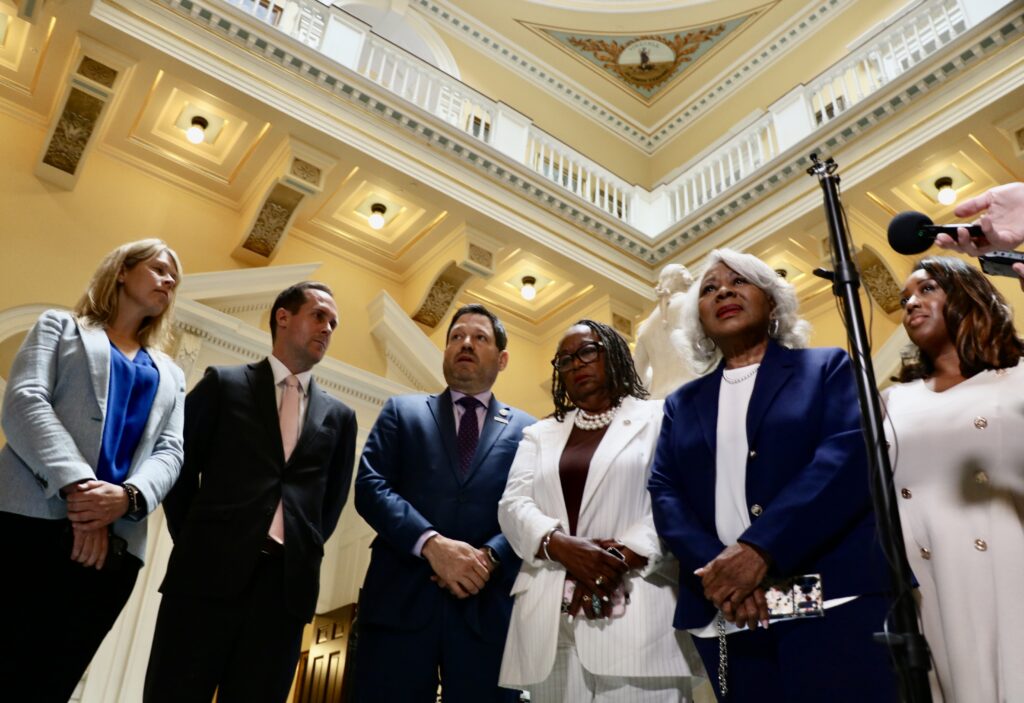
Members of Virginia’s Senate Finance and Appropriations Committee speak with the press in the Capitol Rotunda on June 22, 2026. The legislature advanced a $205 billion, two-year spending plan the same day. (Photo by Charlotte Rene Woods/Virignia Mercury)
On Monday, Virginia legislators approved a two-year, $205 billion budget proposal to fund healthcare and public education, provide 4% teacher raises and a 3.5% pay bump to state employees, establish a retail weed marketplace and hedge against decreased federal dollars.
The spending plan also includes a provision to tax data centers for their energy consumption, which is slated to generate a maximum of $600 million each year but doesn’t include the environmental standards the House of Delegates wanted to impose on the industry or the end of the sales tax exemption that the Senate sought.
Senate Finance Committee chair Louise Lucas, D-Portsmouth, said after her chamber’s morning session that she “didn’t love” the data center compromise and framed it as a necessity — but not the final solution.
“I would have preferred another method, but we had to get a budget. We were not going to let the government be shut down, and so this was a good start,” Lucas said.
“This is a compromise proposal — one my administration helped craft — and it builds a strong foundation for further discussions about the future of this industry in Virginia on issues like environmental and community impact,” Gov. Abigail Spanberger said of the data center provision in a statement.
The Senate passed the budget proposal 23-16 vote, while the House advanced it 71-22.
With both chambers finally on the same page after months of gridlock over data centers, the plan will now be reviewed by Spanberger. She can sign it as-is, recommend changes or veto line items. The whole process must be finalized by July 1, when the new budget will take effect.
Here are the key priorities addressed by the spending plan.
Data centers
The amended budget proposal creates an energy consumption tax for data centers which totals $.011 per kilowatt hour used per month.
The state will collect up to $600 million a year from this new tax, according to budget language. Any funds collected over that cap would be put into a fund and given back to data centers at the end of each fiscal year.
This is only a fraction of what the state could have made if they had ended the sales and use tax exemption, but, after months of arguing, lawmakers ultimately didn’t agree to that measure. Spanberger supported keeping the exemption in place through the end of the agreement’s term in 2035.
Additionally, language was put into the budget to direct the Department of Environmental Quality to study the groundwater impacts of non-closed loop data centers, which use millions of gallons of water each year.
DEQ will locate “cooling water scarcity areas” where the use of potable water for computer cooling systems could be detrimental to surrounding areas’ water quality and availability.
The department will have until July 2027 to create regulations for the scarcity areas. After they are developed, future data centers in that area will be required to “use air cooling, closed loop cooling systems, or more efficient cooling systems that become available.”
After July 1, 2027, data centers in the Eastern Groundwater Management Area will have to “use air cooling systems, 100% recycled water and/or stormwater for cooling, or use a closed loop system.” A study will be released in October 2026 on how to retrofit existing data centers in those areas to align with the new regulations.
Some Republican lawmakers characterized the measure as inconsistent.
“The budget does not create one strong statewide water usage standard for data centers. Some parts of Virginia get stronger protections and other parts get weaker protection or no protection at all,” said Sen. Glen Sturtevant, R-Chesterfield. “That should concern every locality that is concerned about becoming the next target for a massive data center.”
Budget language also directs DEQ to put in place noise abatement regulations for data centers before the end of 2029. The department will determine the lowest possible noise level for data centers and make it the standard starting in 2030.
After that date, facilities who violate the noise standard will face a fine of $32,500 per day.
“The noise issues are some of the things we hear the most from people that live next to data centers,” said Sen. Scott Surovell, D-Fairfax, whose district contains dozens of data centers. “Water is a rising concern, especially for any data centers that are gonna be put east of I-95, where we already have a real problem with our declining aquifer.”
Lucas told reporters that this is not the end of the conversation about doing away with the sales and use tax exemption, and that a study group will look closer at the issue and provide a report on their findings in November.
Health and human services
Overall, the pending budget will earmark $158.3 million in the state’s general fund for fiscal year 2027 and $245.1 million in 2028 for healthcare and social services.
The money was set aside both for healthcare and social services the state typically handles along with support to comply with new federal mandates and partially plug holes created by federal funding shortfalls.
As thousands of Virginians have fallen off Affordable Care Act health insurance this year, Virginia’s new budget entails $150 million to support a state-level version of the expired federal assistance for people between 138% and 250% of the federal poverty level.
Sen. Danica Roem, D-Manassas, a former journalist and restaurant worker, described the difficulty of living uninsured for two years in a floor speech on Monday.
“I don’t want anyone to live like that,” she said.
She added that the budget “puts major money” into making sure that the state is “taking care” of people.
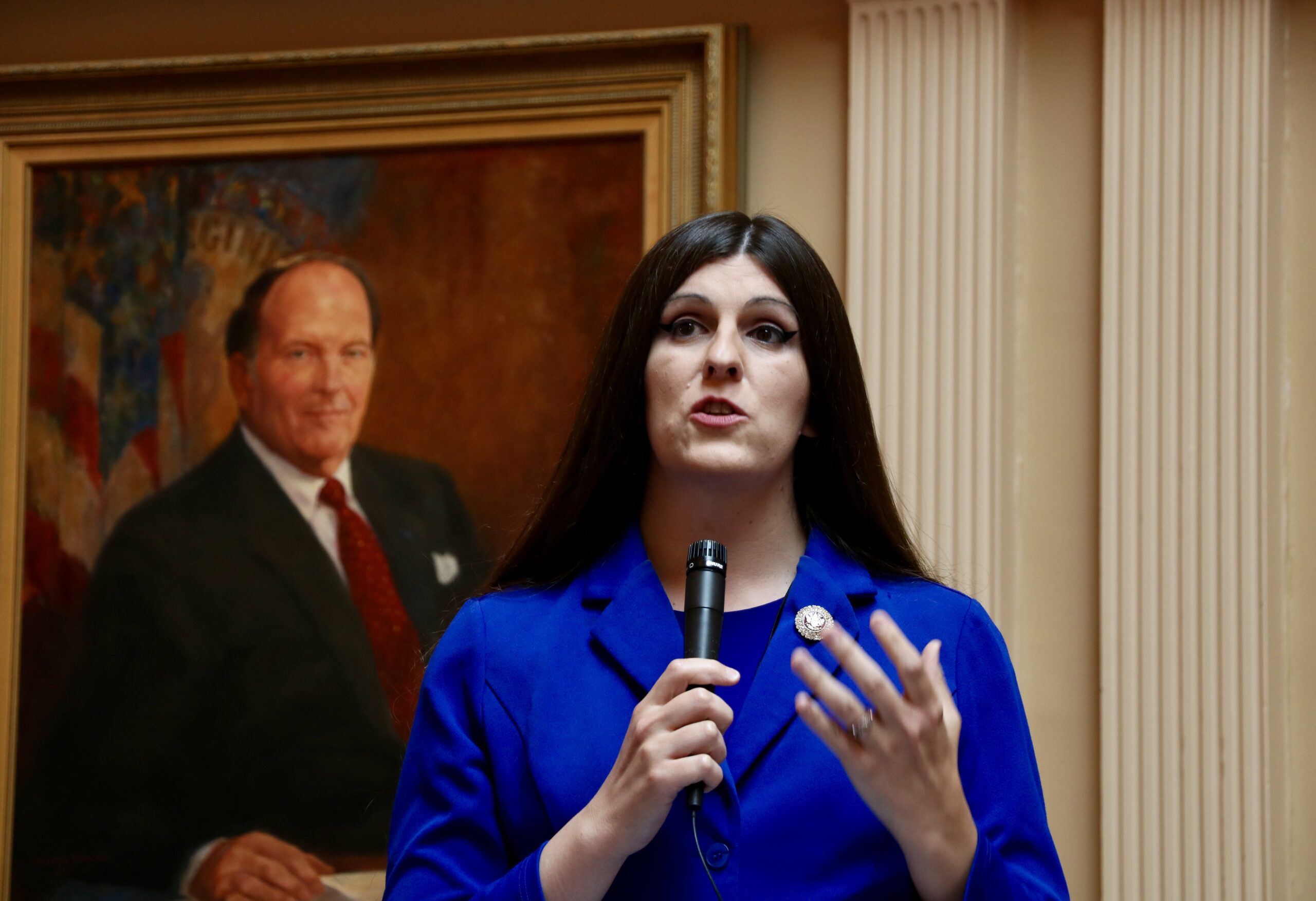
Sen. Danica Roem, D-Prince William, speaks on the Senate floor during the special budget session on June 22, 2026. (Photo by Charlotte Rene Woods/Virginia Mercury)
The plan calls for $3.5 million to determine ways the state can ensure eligible people remain on Medicaid amid forthcoming eligibility requirement shifts and additional verification work.
Virginia’s roughly 850,000 Supplemental Nutrition Assistance Program beneficiaries went without their food stamps last fall during the federal shutdown. And due to a reconciliation bill Congress passed last summer, states like Virginia are attempting to reduce their error rates.
State lawmakers have designated $135 million to handle SNAP, should the error rate not fall to the required 6% by the end of the calendar year.
Sometimes SNAP households are overpaid or underpaid because of paperwork mistakes by government staff or outdated information from beneficiaries. Work in social service departments is already underway to reduce error rates.
Free clinics will receive $20 million in state funding over the next two years while federally qualified health centers will get $10 million in that time.
While federally qualified health centers offer sliding scale fees for low-income patients, free clinics are also a resource for uninsured patients. Both entities have been bracing for additional clients as Virginians lose their ACA or Medicaid insurance.
A little over $1 million is allocated to help local health departments statewide handle rent increases. The regional centers help fill healthcare access gaps and are often tailored to the local communities they serve.
As federal dollars for HIV/AIDS care are slashed, the state budget also contains over $26 million for that specific type of healthcare over the next two years. Staying on top of medication is critical in preventing the spread of the disease.
Education
Under the newly approved budget proposal, K-12 education funding would increase by $1.4 billion, including a 4% increase for teachers in each of the next two years.
Lawmakers propose $590 million for rebenchmarking, declining enrollment, and high-need groups, including $28.9 million for at-risk and $148.4 million for special education students.
Also included: $500,000 for grants to help schools purchase Automated External Defibrillators (AEDs) and implement cardiac emergency response plans.
In higher education, the budget proposes restoring funding for affordable access and tuition moderation, as well as expanding nursing programs at several public universities. The Internships Virginia (InVA) initiative to provide paid internships for postsecondary students would also be funded.
To support educational infrastructure, lawmakers also agreed to expand the authority to allow all localities to use a 1% sales tax to pay for construction costs, contingent on a referendum that must pass in each jurisdiction. The language also permits jurisdictions in Northern Virginia to use the funds for transportation projects to address public transit needs.
Tax deductions
Taxpayers will be able to keep a bit more of their cash, as the new budget increases the standard income tax deduction from $8,750 for single filers and $17,500 for joint filers to $9,200 and $18,400 in 2027 and $9,300 and $18,600 in 2028.
RGGI/environment
A budget amendment was added into the conference report that would divert 45% of the funds earned from the Regional Greenhouse Gas Initiative back to ratepayers.
The funds come from carbon credit sales, which utilities must purchase if they want to burn carbon-based fuels sources that release emissions. Those costs are then passed down to utility customers.
When former Gov. Glenn Youngkin removed the state from the agreement in 2021, it cost about $4 a month on the average residential customer’s bill. Recently, Dominion Energy filed for the “RGGI Rider” to be added back to monthly bills as mandated by a law to rejoin the agreement, signed by Spanberger in recent weeks.
Dominion is required to begin purchasing from the carbon credit auction in July but the charge to customers won’t begin until March should the State Corporation Commission approve the application by the utility. This will lead to an increased charge of $10-$13 monthly.
The state previously earned about $800 million from the RGGI funds that had to go towards community flood preparedness projects and low-income energy efficiency projects. The new budget language includes the rebate for customers, which would put money back in wallets but detract from the funds for flood and efficiency projects.
The rebate will not apply to co-op utility customers.
Housing
While a handful of housing bills passed the 2026 session and have since been signed into law, the new spending plan includes measures to ensure bills with fiscal impacts get off the ground.
The state budget proposal directs $60 million overall for housing initiatives, $40 million of which will go to the state’s Housing Trust Fund and $20 million that will go towards a mixed-income housing pilot program.
Additionally, lawmakers set aside $11.5 million for the Virginia Eviction Reduction Program and $10 million for the Clean Energy Innovation Bank.
Cannabis
Spanberger and lawmakers announced June 16 a reworked proposal for a retail cannabis marketplace that included key compromises between legislators’ and the governor’s visions. The marketplace is set to launch July 1, 2027 and will be limited to 350 stores statewide.
State sales tax on retail weed will be 6% at launch and will increase to 8% in 2029. Localities also have the option to add an additional tax of 1 to 3.5%.
Because lawmakers added a Part 5 amendment, the market will be permanently established in the state.
The new framework includes a $250 public consumption civil penalty that will not take effect until 2027.
“We had serious concerns about creating extreme new penalties that would not have meaningfully reduced the illicit market,” Sen. Lashrecse Aird, D-Henrico, said at a press conference announcing the framework last week.
“But we believe this final framework strikes the right balance for enforcement mechanisms, but also in accountability, but also not harming those who just choose to participate in the market.”
Child care
The budget sets aside $137.6 million for the state-subsidized child care program slots, which will be devoted to families making 85% or less of the state median income.
This follows legislation carried by Del. Briana Sewell, D-Prince Wiliam, requiring the state education department to update how it calculates the cost of childcare for Virginia families. A majority of Virginia parents and employers say child care costs are prohibitive.
Spanberger signed the bill into law last month.
A new cost-sharing program for child care will be funded through the budget, with lawmakers allocating $25 million for the initiative to spread the price of child care between families, employers and the state.
Transportation
Lawmakers included $153 million in the budget for additional operating assistance for the Washington Metropolitan Area Transit Authority, or Metro, with the caveat that Metro must produce a 20-year capital plan and annual performance reports.
The action comes as inflation has driven up the costs of operating transit services.
Lawmakers also proposed directing the secretary of transportation to evaluate options, including public-private partnerships, to accelerate large-scale improvements to the I-81 corridor.
The legislature allocated $7 million for the Route 460 Phase IIA Finish Grade Project and directed stakeholder engagement to prioritize improvements along the U.S. Route 220 corridor.
The budget also directs the state to identify federal funds to support rural electric-vehicle charging infrastructure and provides $500,000 to continue developing Advanced Air Aviation Test Sites to enable advanced air mobility.
What’s next
The proposal will now head to Spanberger, who said it contained “a lot to be proud of” in a Monday afternoon statement.
“Today, the General Assembly has moved forward with a budget proposal — and that means we are keeping our government open and delivering for the 8.8 million people who call our Commonwealth home,” she added.
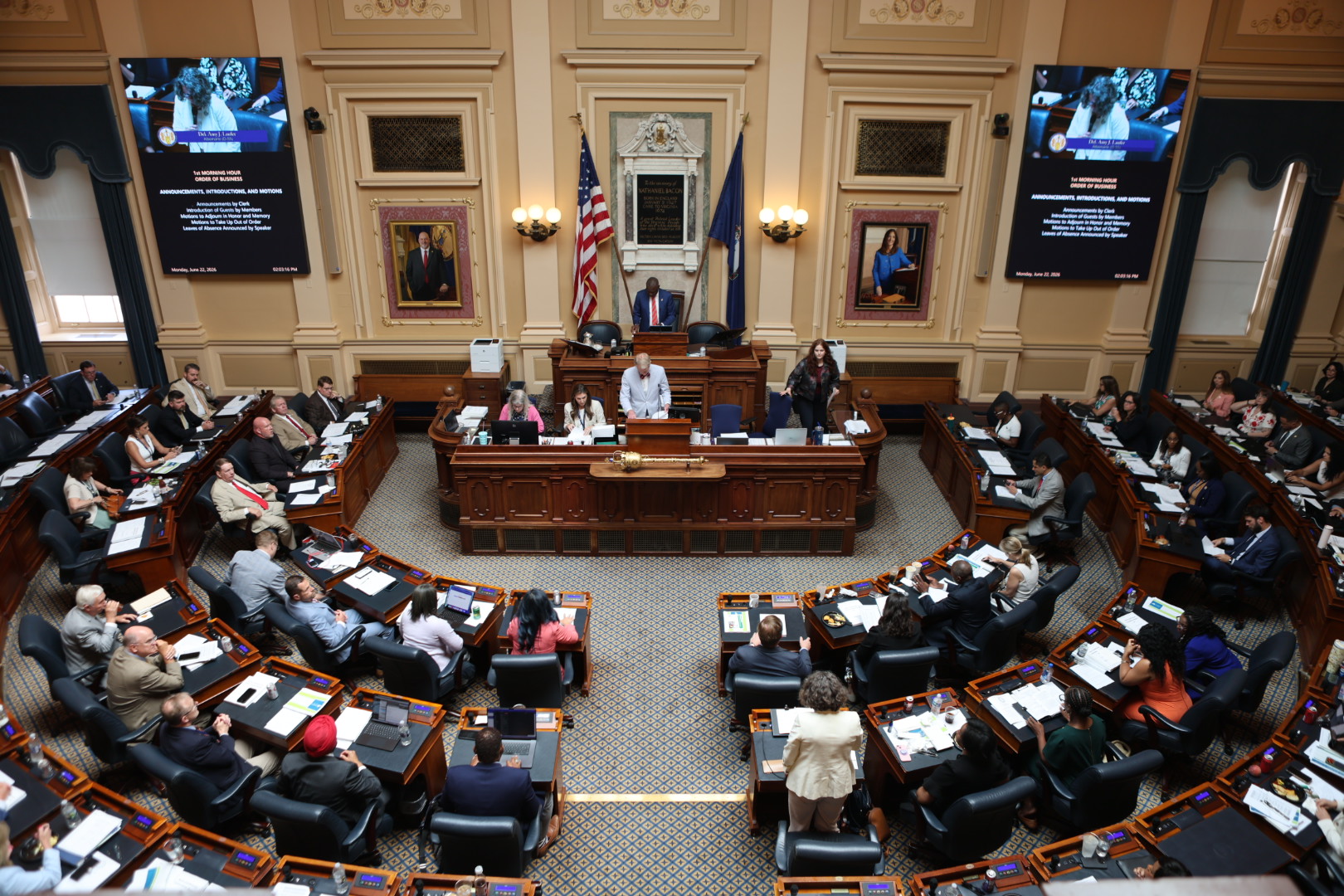
A view from inside the Virginia House of Delegates chamber on June 22, 2026. (Photo by Nathaniel Cline/Virginia Mercury)
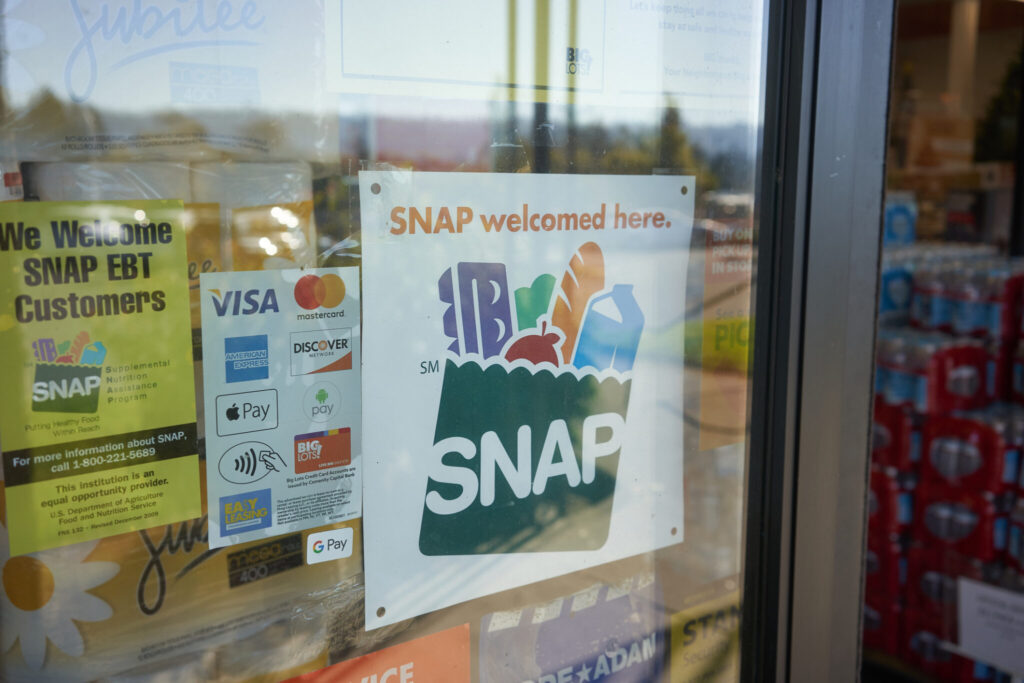
A SNAP sign in a storefront. (Photo by Getty Images)
Virginia Attorney General Jay Jones announced Thursday that a federal judge issued a preliminary injunction on June 5 amid a multi-state lawsuit challenging “vague, extraneous and unreasoned conditions” to how the U.S Department of Agriculture issues funding to states.
“As Virginians face a growing cost crisis, President Trump is politicizing funding for critical USDA programs that help feed vulnerable children, hardworking families, senior citizens and rural communities,” Jones said in a statement, noting that nearly one million Virginians are facing hunger and rely on programs like SNAP and WIC, which are funded by the USDA.
As part of its 2026 conditions, states receiving USDA grants must certify that they don’t operate “any programs that advance or promote Diversity, Equity and Inclusion,” do not “promote gender ideology” and that they do not permit funding disbursement to undocumented immigrants.
Countering this, Virginia, 20 other states and the District of Columbia sued in March, stating they believe the impositions for compliance are unclear and unconstitutional.
The injunction means that these conditions will not apply as the lawsuit continues to advance.
Federal lawyers said in court filings that the new requirements would “help promote the sound stewardship of taxpayer dollars, strengthen USDA’s control and oversight of obligated funds, and ensure that grant recipients comply with federal laws, regulations and policies.”
About 850,000 Virginians (and millions of people nationwide) use SNAP to help them purchase their groceries.
USDA is also the federal umbrella agency for other social services like the Special Supplemental Nutrition Program for Women, Infants and Children, the Emergency Food Assistance Program, and the Volunteer Fire Capacity Program.
With one in eight Virginians facing hunger, Jones’ office called the USDA conditions “unconstitutional,” and Jones pledged to “keep fighting for these crucial resources and the people who depend on them.”
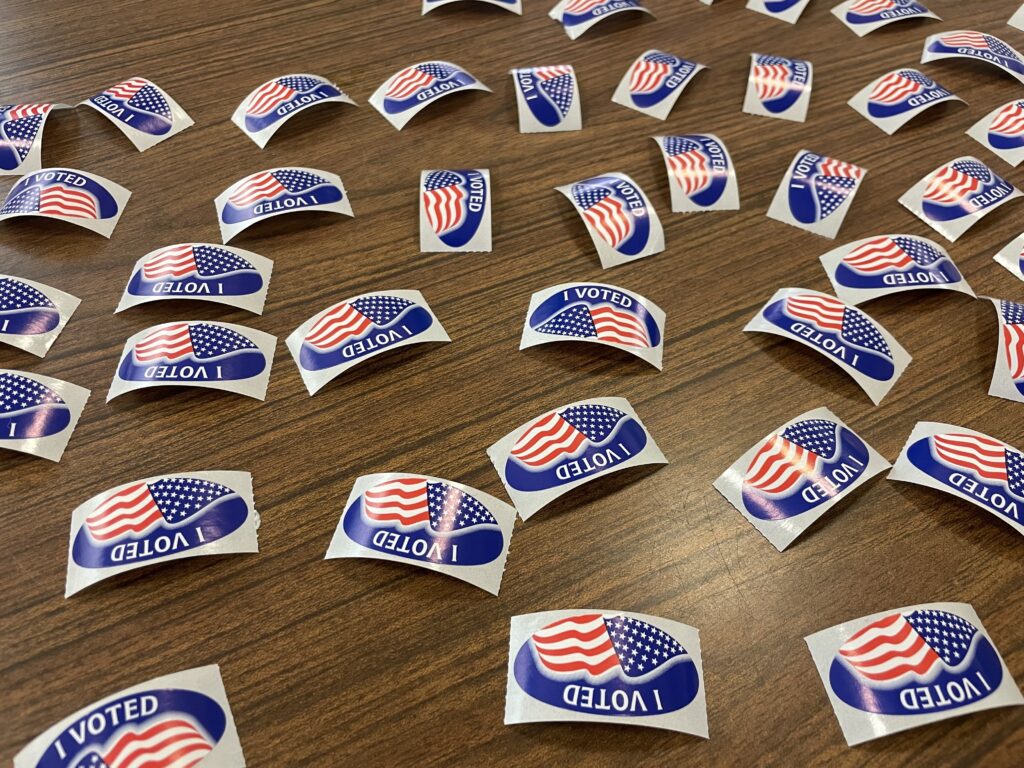
“I Voted” stickers are displayed at a Richmond polling place during the 2022 midterm elections. (Photo by Graham Moomaw/Virginia Mercury)
After a grueling redistricting battle that spanned months and cost millions, the congressional district lines Virginia adopted in 2021 remain in place as Democratic contenders line up to challenge longtime Republican incumbent Robb Wittman in this fall’s race to represent the state’s 1st Congressional District.
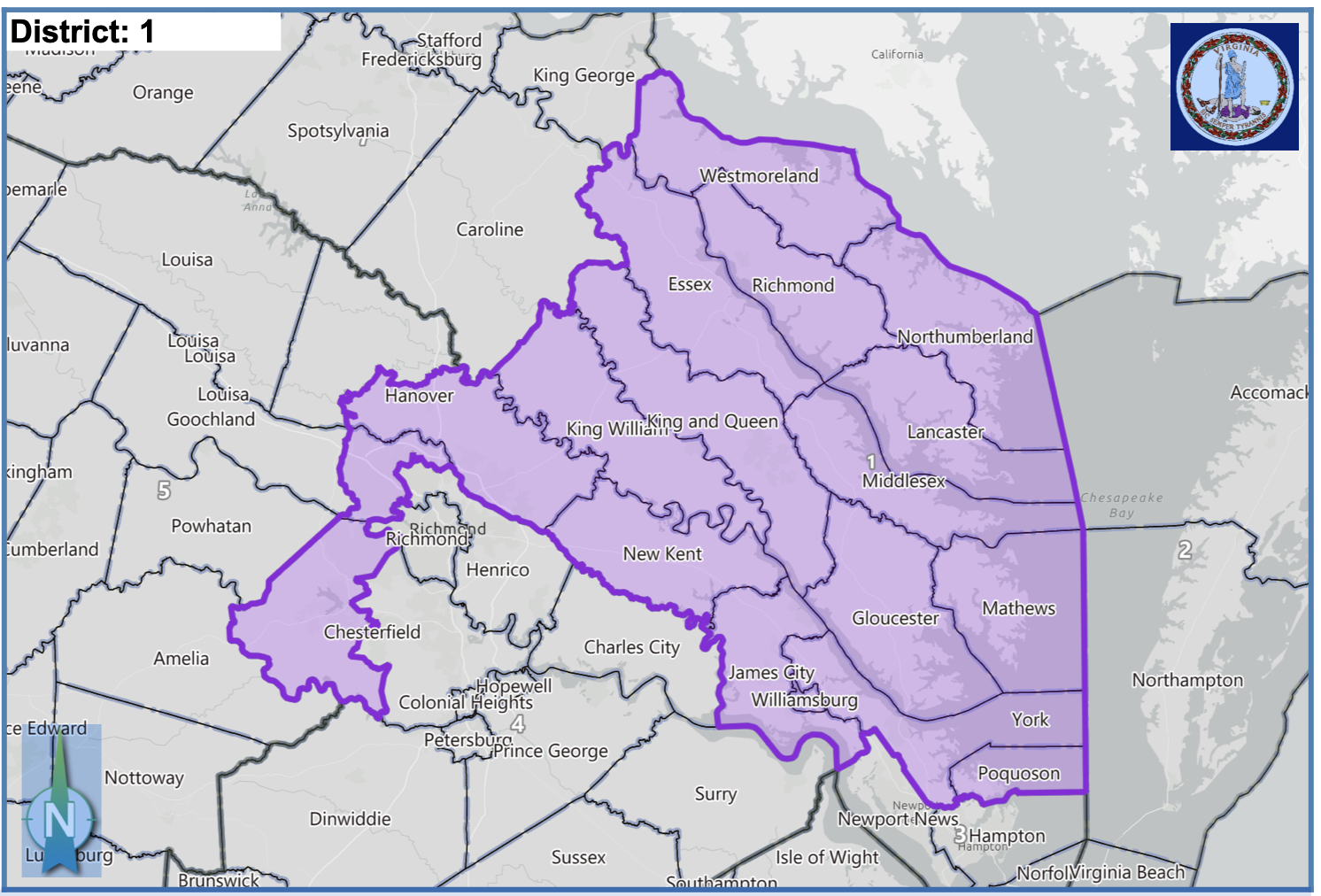
The 1st District stretches from Colonial Beach down the eastern coast of the state to Williamsburg, and hooks over the north side of Henrico County into part of Chesterfield.
Over 615,000 registered voters live in the 1st District, with the largest portions of the population in Henrico, Chesterfield, Hanover, and James City counties. The majority of voters there are white, but U.S. Census Bureau data shows diverse demographics: nearly 13% of voters are Black, almost 7% identify as multiracial and 6% are Asian. About 6% of voters are Hispanic or Latino.
Voters in the area have historically favored Republicans, with 51.6% choosing Donald Trump in the 2024 presidential election and 57.8% voting for Glenn Youngkin in 2021, helping send the GOP newcomer to the governor’s mansion.
That tide shifted in 2025, when Abigail Spanberger was elected governor with a margin of 51% in the district. Spanberger’s victory supercharged scrutiny from up-ballot Democrats, who saw it as a sign the district could be flipped in the 2026 midterm elections.
Virginia Congressional District 1 (Photo courtesy Supreme Court of Virginia)
Wittman to defend seat of nearly two decades
U.S. Rep. Rob Wittman, R-Westmoreland, has represented the 1st District in Congress since 2007. Before taking office, he served in the Virginia Department of Health’s Division of Shellfish Sanitation for 26 years, which has shaped his policies and tenure on the House Natural Resources Committee.
Wittman was one of just a handful of House Republicans nationwide to join Democrats in voting to extend the Enhanced Premium Tax Credits through the Affordable Care Act for three years. The measure ultimately failed.
Wittman has consistently supported H.R. 1, the One Big Beautiful Bill, which excluded the credits when passed last summer, critics have highlighted. The congressman also faced blowback from constituents last year who said he avoided in-person town halls amid sweeping federal budget cuts and layoffs.
Promising to guard against “reckless government spending” on his website, Wittman also supports enhanced border security – including the construction of a wall bordering Mexico to staunch illegal immigration.
Wittman did not respond to requests for comment on his campaign and has not completed The Virginia Mercury’s candidate questionnaire, sent to all contenders on June 1.
Seven Democrats vie to take on Wittman
Shannon Taylor, the frontrunner in the race to flip the 1st District to blue, is an experienced prosecutor and has spent the last 13 years as the Henrico Commonwealth’s Attorney. She was the first woman to hold the position and the first Democrat to be elected to the seat in 40 years.
Her courtroom experience undergirds one of her key campaign priorities: managing political corruption. She also advocates for congressional stock trading to be made illegal.
Taylor is also committed to protecting healthcare access in the wake of the sweeping changes from H.B. 1, she said.
“More than 44,000 Virginians have lost their ACA coverage, and rural hospitals like Rappahannock General are at risk of closure,” Taylor said. “I’ll fight to lower health care costs by extending the ACA tax credits, expand Medicare’s ability to negotiate drug prices, and protect Medicaid.”
She previously ran for the office of the Attorney General but lost the primary to Jay Jones, who was elected to the seat last fall. Taylor’s campaign has raised $1,300,040, as of the latest campaign finance reporting.
Political newcomer and lawyer Salaam Bhatti’s priorities center on expanding Medicare access, increasing taxes for the highest earners and reforming political candidates’ campaign finance process.
The former Virginia Poverty Law Center attorney is a child of immigrants who relied on programs like WIC and free school meals while growing up. Bhatti focused his VPLC work on expanding SNAP access and at the Food Research and Action Center, worked against a farm bill addition that would have made major cuts to SNAP.
Wittman has had more than enough time to better address issues of poverty and healthcare access in the district, Bhatti said.
“Rob Wittman has been in office for nearly 20 years and in that time our neighbors have gotten poorer, healthcare has become more expensive, corporate donors have gotten more access, and Rob has become a multimillionaire through stock trades,” he said.
Bhatti has raised $184,834 as of March 31 reporting.
Tim Cywinski, another Democratic challenger, is not new to the political sphere. He spent years as a community advocate and has worked on the political side as an intern for the Obama campaign when he was 17.
Cywinski’s brother was born with a heart defect, and the cost of his care contributed to his family’s skyrocketing medical debt and eventual loss of their home. That experience, Cywinski said, gave him personal experience with the challenges of America’s healthcare system and fuels his interest in addressing it via federal legislation.
Wittman represents what Cywinski characterized as the political establishment, which doesn’t provide solutions for constituents’ healthcare needs, tax burdens and other priorities. His campaign is about finding ways to take big money out of politics, he said.
“My main platform is what I call the fair shot agenda because unless you’re already powerful or unless you’re really wealthy and well connected, no one feels like they have a fair shot in this country and our politics upholds that reality,” Cywinski said.
As of March 31, Cywinski has raised just over $8,113, the smallest campaign coffer of any candidate in the race. He lives in the greater Richmond area.
Jason Knapp has served his country for 21 years as a naval officer and said his military background shapes his policy goals.
A former defense fellow assigned to the Armed Services Committee and deputy director of legislative affairs for the U.S. European Command, Knapp has taken aim at the cost Virginians and Americans are paying for the Iran war, a conflict Wittman has supported.
“Food, fuel, energy, housing, and medical costs are skyrocketing and people are literally choosing between buying food, buying medicine, or paying bills — and the man who represents this district is at worst complicit in these hardships, and at best, apathetic to the real problems people are facing,” Knapp said.
Universal healthcare is another top priority for Knapp, who aims to counter the privatization of the Veterans Administration, which he said creates barriers for servicemembers to access essential care.
Ericka Kopp, a healthcare attorney and a caregiver to her husband who is a disabled veteran, said Wittman’s support of the congressional bill that stripped funding for Medicaid compelled her to run to replace him.
Kopp earned her law degree from the University of Richmond and clerked for a Virginia circuit court judge. She said she never considered running for office until her frustrations with Wittman bubbled to the surface because he did not attend several town hall meetings in her district in 2025.
“He’s not accessible to the people, let alone accountable to us. In April of last year, I started thinking that anyone could do a better job, even me. And then I thought, ‘Why not me?’” Kopp said.
Her campaign priorities include expanding Medicaid and healthcare access. She has raised $13,867 so far.
Business lawyer and small law firm owner, Mel Tull believes he can help bridge the partisan divide in Congress and said his experience successfully navigating competing interests can earn the trust of other lawmakers and the people they represent.
Like several other Democratic contenders, Tull said Wittman’s 18 years in Congress is too long a time to serve without better addressing issues like healthcare, affordability, and government functionality.
“My job has been to evaluate competing interests, understand risks and consequences, and help people make sound decisions. I’ve spent my career bringing people together to solve difficult problems, not score political points,” Tull said.
Tull served in the Army before branching into business law. His campaign has raised $179,991, to date.
Elizabeth Dempsey Beggs, the final Democratic contender in the contest, was one of the first women to serve as a tank commander in a combat role in the U.S. Army. The veteran now works in the package and manufacturing industry.
She said concerns about affordability and government transparency drove her to enter the race. Her campaign priorities also include protecting the right to vote and reproductive healthcare access.
“As a mother, foster parent, and business leader, I’ve seen firsthand how decisions made in Washington affect families every single day,” Beggs said. “Whether it’s the cost of childcare, access to healthcare, housing affordability, or the lack of accountability in government, people are working harder than ever and feeling like they have less and less to show for it.”
Public office should be a service and not a long-standing career, Beggs added, pointing out Wittman’s tenure in the seat. So far, she has raised $64,494.
Early voting for the primary election for the first congressional district begins on June 18. Election day is Aug. 4.
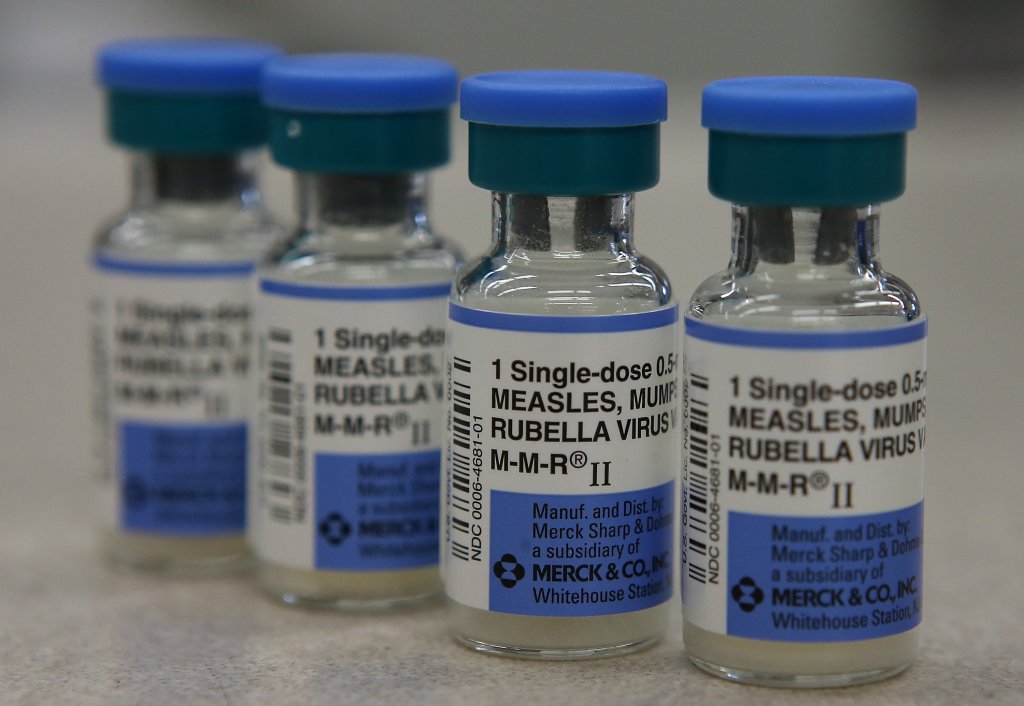
Virginia health officials continue urging vaccinations as measles cases rise statewide, while U.S. Health and Human Services Secretary Robert F. Kennedy Jr. this week recommended measles shots as the best way to prevent infection. (Photo by Illustration Justin Sullivan/Getty Images)
Virginia’s measles count has jumped by more than 30 cases in recent weeks, with most of the infections centered in Central Virginia around Buckingham County. Data from the Virginia Department of Health shows that there have been 77 cases this year, most involving unvaccinated people.
The bulk of the cases are babies and children younger than 12, aligning with how some parents were more likely to follow anti-vaccine trends that emerged in the earlier 2000s and have resurfaced more recently.
During a visit to Virginia Wednesday, U.S. Health and Human Services Secretary Robert F. Kennedy Jr. recommended measles vaccines as a key preventative measure — a relatively recent endorsement following years of national prominence in anti-vaccine movements.
About two decades ago, measles was considered eliminated in the U.S., but anti-vaccine rhetoric became more mainstream and misinformation about vaccines spread, leading to confusion and hesitancy among some people.
Kennedy’s comments to Virginia reporters this week follow an acknowledgement he made during Congressional testimony in late April. It marks a relatively new stance after he did not recommend vaccination during a measles outbreak in Texas last year and instead advised Americans to “do your own research.”
Despite the U.S. being among the countries that previously eradicated measles, Kennedy noted this week that new cases are “happening all over the world.”
“At (the Center for Disease Control and Prevention), we encourage people to get their measles vaccination,” he added. “That’s the best way to prevent yourself from getting measles.”
Piedmont Health District Director Maria Almond said in an email that local health officials continue recommending vaccinations. Her health district is responding to the region of the state where most measles cases are occurring.
Virginia Department of Health Commissioner Cameron Webb reiterated that people who remain unsure should speak with their doctors.
“If you’re still not sure about the MMR vaccine, you should talk to your trusted health care provider immediately,” Webb said. “They can answer all your questions and address any concerns you may have.”
About a month ago, Virginia’s measles cases were still in the two-dozen range as infections also climbed in other states. The increase prompted the CDC to issue summer travel guidance to encourage vaccinations and other preventive measures.
Almond said the outbreak in the Piedmont region “has “not yet overburdened the local healthcare systems.”
Hospitals and clinics are more likely to face strain during epidemics and pandemics.
In Virginia and across the country, health systems and health departments have also dealt with staff turnover and burnout. Virginia’s health department has spent years addressing internal challenges following the COVID-19 pandemic.
“According to the CDC, one in five people infected by measles requires hospitalization for complications, including pneumonia and dehydration,” Almond said.
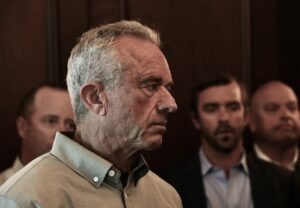
U.S. Secretary of Health and Human Services Robert F. Kennedy Jr. during a press conference in Doswell Wednesday. (Photo by Charlotte Rene Woods/Virginia Mercury)