Editor’s note: This story mentions pregnancy loss.
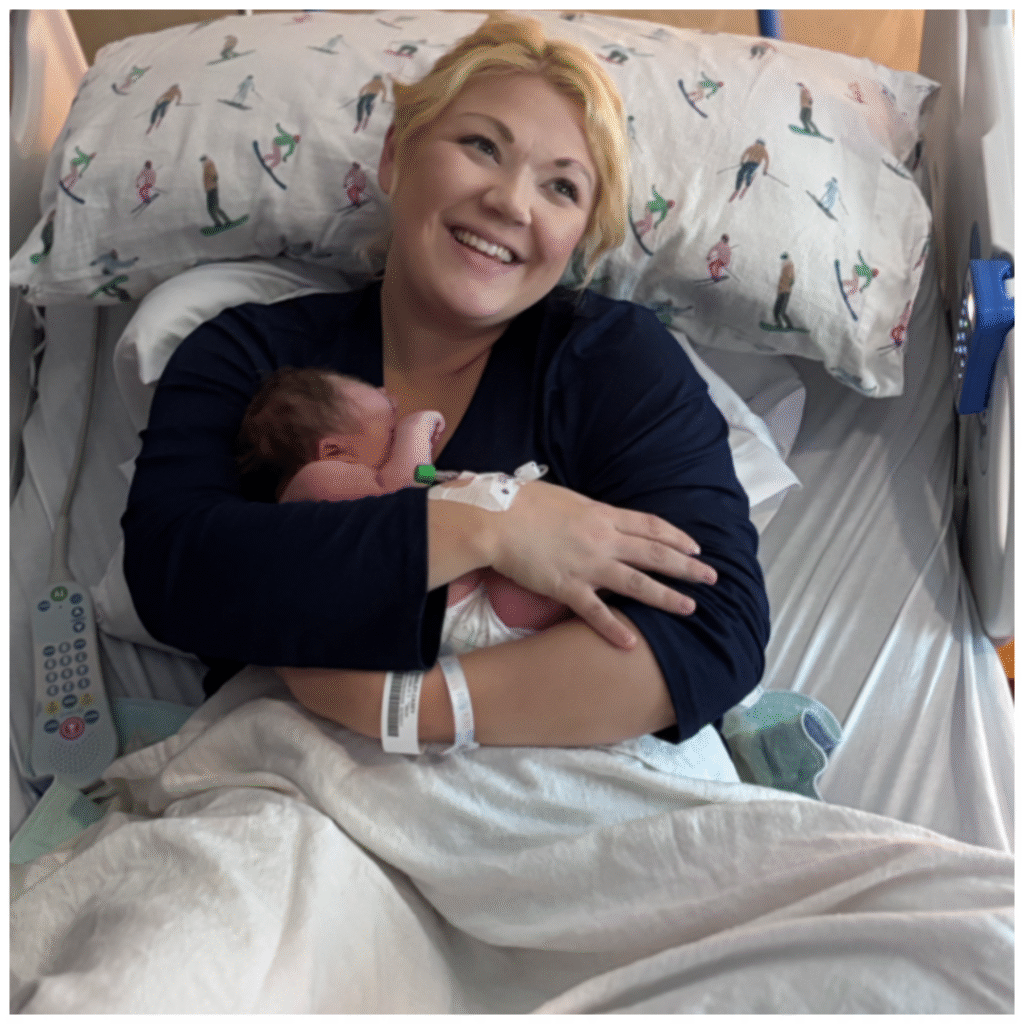
Miscarriages were common for Albemarle County resident Casey Oakley during her in vitro fertilization process. Some embryo transfers weren’t successful and her body would expel the remnants, a process she had always handled safely at home, until an irregular delay.
Her bloodwork had indicated her pregnancy hormones were not elevating properly, signaling an imminent miscarriage. But two weeks later nothing had happened.
“(Doctors) didn’t know where the embryo had implanted in my body, so I was scheduled for an abortion, and I was told before my surgery that if they couldn’t find products of conception in my uterus, that they were going to be taking my tubes,” she said.
The fallback option was meant to spare her the deadly infections that can arise when miscarriages fail to complete.
“It wasn’t a question that they asked, it was more of a ‘this is what we have to do to make sure that you live,’” Oakley said.
Doctors eventually discovered that her body had maintained a gestational sac but no fetal DNA.
“My body had fought so hard for a pregnancy that would have no baby and then I was going into sepsis,” she said. “The abortion saved my life.”
Her experience is foundational to her support for a pending constitutional amendment heading to Virginia voters statewide in November.
If approved, it will permanently embed reproductive rights into Virginia’s constitution.
The amendment would protect people’s access to contraception, IVF and abortion, four years after the Supreme Court overturned federal protections for abortion and more states have restricted access to the procedure and birth control.
Virginia remains the least restrictive Southern state for reproductive healthcare in the era after Dobbs v. Jackson Women’s Health Organization, the abortion protection case that justice struck down in 2022.
State lawmakers weigh in
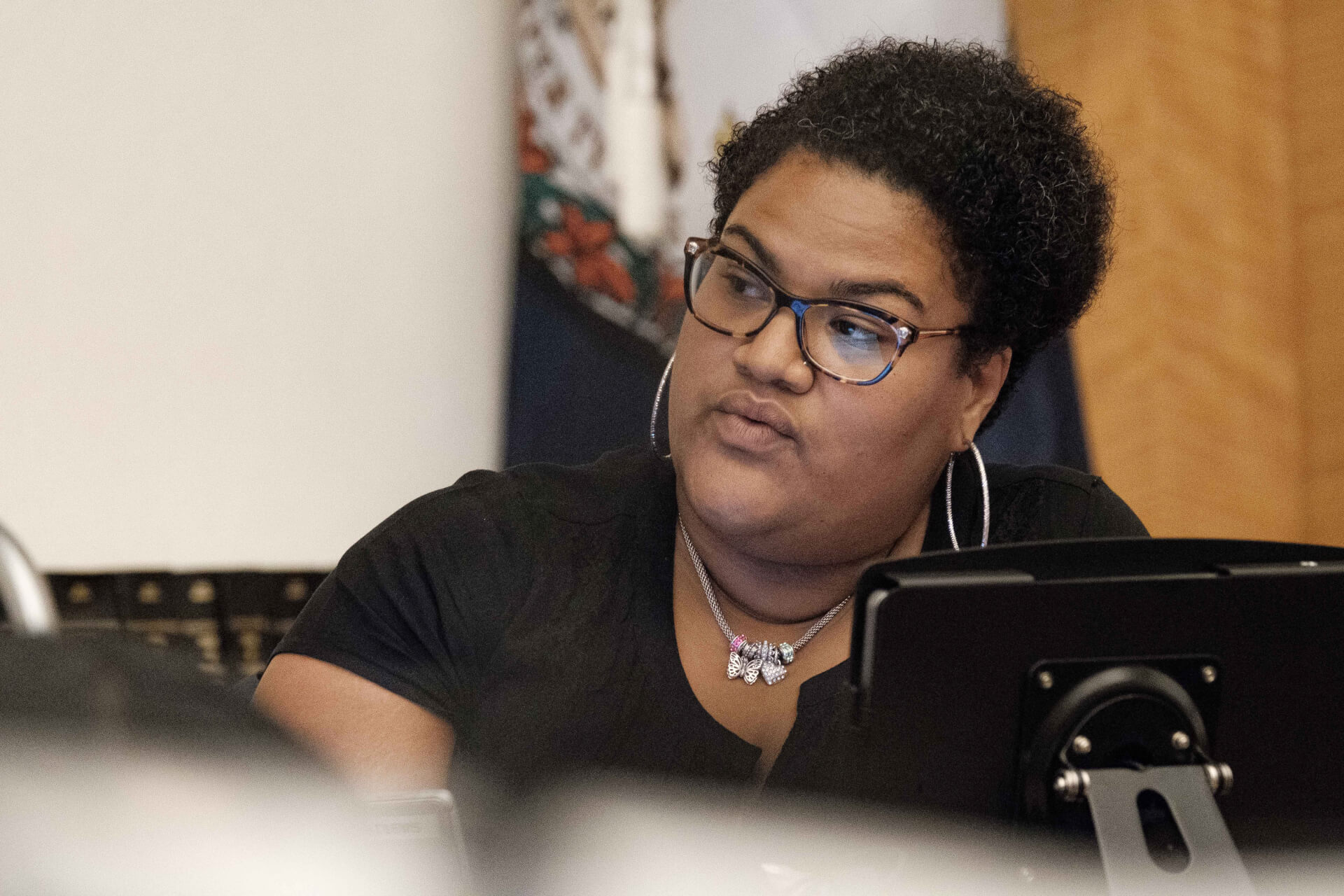
Del. Cia Price, D-Newport News, was diagnosed with polyendocrine metabolic ovarian syndrome at 16 years old. She recalled debilitating cramps that made it hard for her to focus in school and days she could not get out of bed.
Formerly known as polycystic ovarian syndrome, PMOS is a full body disorder that affects people’s metabolism and reproductive organs. It can also cause infertility. Contraception has long been a standard treatment for the disorder to improve quality of life.
Though Price doesn’t need contraception for family planning as she is in a same-sex relationship and does not want biological children, the treatment lessens her PMOS symptoms.
She said her and others’ access to the medication could be at risk.
After Dobbs, Justice Clarence Thomas suggested the court revisit cases that have protected contraception, as well.
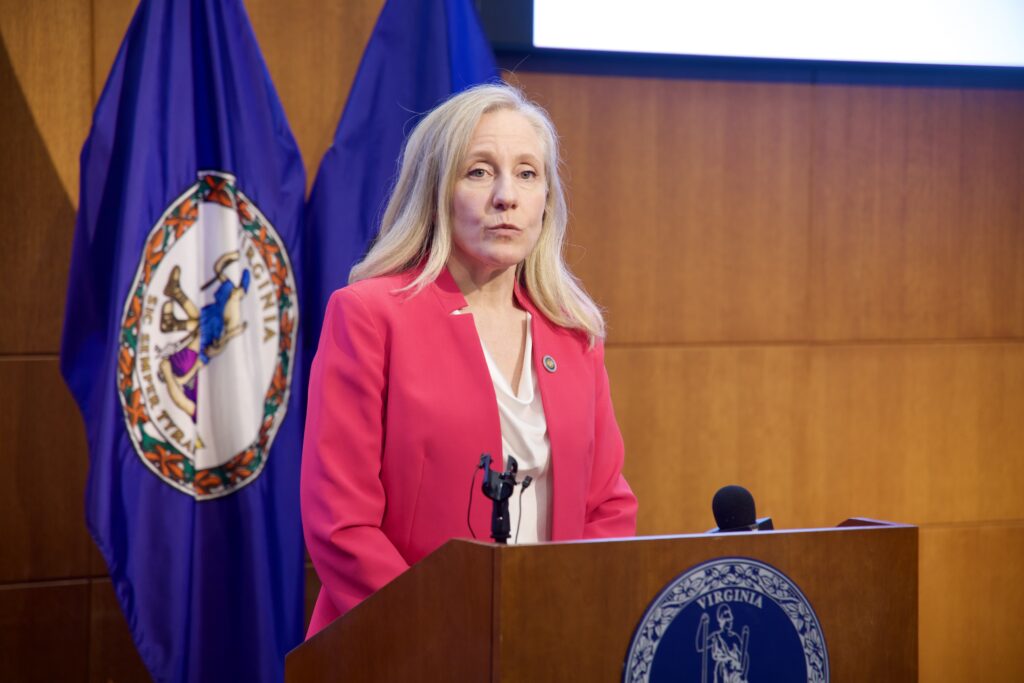
Gov. Abigail Spanberger signed Price’s Right To Contraception Act into law this summer, after the bill was vetoed multiple times by former Gov. Glenn Youngkin.
It will protect contraception access in the interim, though the pending reproductive rights amendment would shore matters up longterm.
Price said she understands some of her constituents’ and legislative colleagues’ reasons for not supporting contraception or abortion — from religious objections to debates over life-at-conception. But she underscored the healthcare utility of each.
“It’s just really disheartening for your quality of life to be at the intersection of an argument,” she said.
“This is a difficult topic for a lot of people,” Sen. Emily Jordan, R-Suffolk, said during a floor speech earlier this year amid debate over the amendment.
Jordan was among the Virginia Republicans who unsuccessfully sought to alter the amendment to reinforce existing state code outlining restrictions for minors and outlining care for infants when they are born.
The amendment advanced due to Democrats’ majority in the Virginia statehouse. Now, it’s in voters’ hands.
Price believes her contraception bill and the amendment “takes the conversation out of the political sphere and puts it in the medical sphere and the personal decision sphere.”
The medical cost
Dr. Kimi Chernoby, an emergency medicine doctor and lawyer, noted that emergency abortion care can happen at all stages of pregnancy if things go awry with the fetus or parent.
She added that many first trimester abortions stem from miscarriages or ectopic pregnancies, and that restrictive state laws increase margins for death.
“These laws are written by lawyers who have no medical training,” she said. “They actually prohibit a lot of care around miscarriages and ectopics, unless they fall within certain exceptions, and so that’s the care that is getting tangled up.”
As chief operating officer for a nonprofit called FemInEM, Chernoby organizes training around the country for emergency physicians to handle reproductive health emergencies.
The national patchwork of bans and restrictions with scant exceptions has complicated her and other physicians’ work, she said.
Legal challenges to mifepristone further muddle matters, as the abortion pill is also critical for managing miscarriages to prevent sepsis. FemInEM has submitted amicus briefs as a key court case that could affect abortions and miscarriage care nationwide unfolds.
Ahead of the fall referendum and pending court rulings, Oakley reflected on how an abortion allowed her to become a mother, surrogate and foster parent many times over.
“I was able to further the lives of my children and four other little girls,” she said. “There will be many other children to come into our lives afterwards.”